If you enjoy cooking, you are aware that herbs and spices are necessary for creating delectable dishes. This article discusses the different Thai herbs and spices.
Thai herbs and spices give Thai dishes a unique flavor. They are an essential part of Thai cuisine, and Thai chefs always use them to enhance the flavor of their dishes. Thai food is recognized for its application of fresh herbs and spices.
If you want to learn more about Thai herbs and spices, scroll down and continue reading.
Thai Herbs
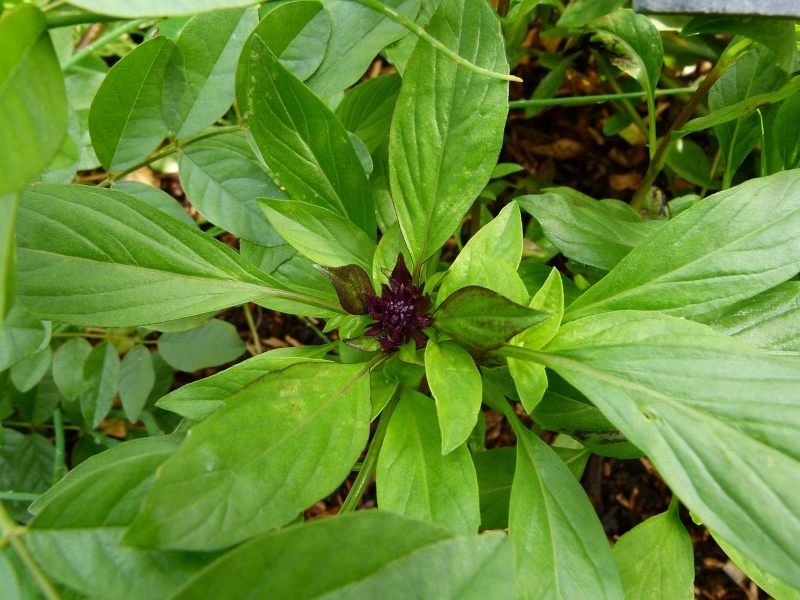
Thai Basil/Sweet Basil
Bai Horaphra is the Thai name for it. A type of basil with a taste of anise. It is commonly used in Thai cooking, such as curries including red and green curry, pumpkin chicken coconut curry, and hor mok meals, with nearly the same frequency as holy basil.
Did you know that basil, together with coriander is a key ingredient in Thai cooking? These herbs are a must and should be used fresh.
Thai sweet Basil cannot be substituted with lemon basil and holy basil, because the taste is extremely different.
You can plant the seeds of the Thai basil on your garden or backyard, they grow easily.
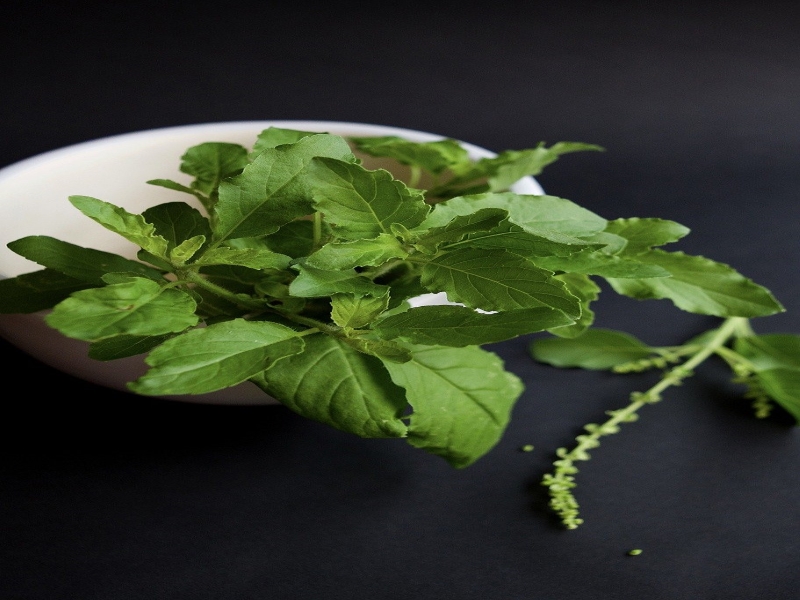
Holy Basil
Holy basil has a clove-like aroma and reddish-tipped leaves. It widely used in a dish known as kraphao mu or minced pork fried with basil. The flavor is somewhat peppery, spicy that is not intense as sweet basil or lemon basil.
It is widely accessible in Thai stores and is regularly used to enhance the flavor and color of Thai food.
Holy basil is grown for its essential oil as well as religious and traditional medical applications. It is also broadly used as a herbal tea, generally utilized in Ayurveda, and it is also a part of the Vaishnava tradition of Hinduism, wherein believers conduct worship concerning holy basil plants or leaves.
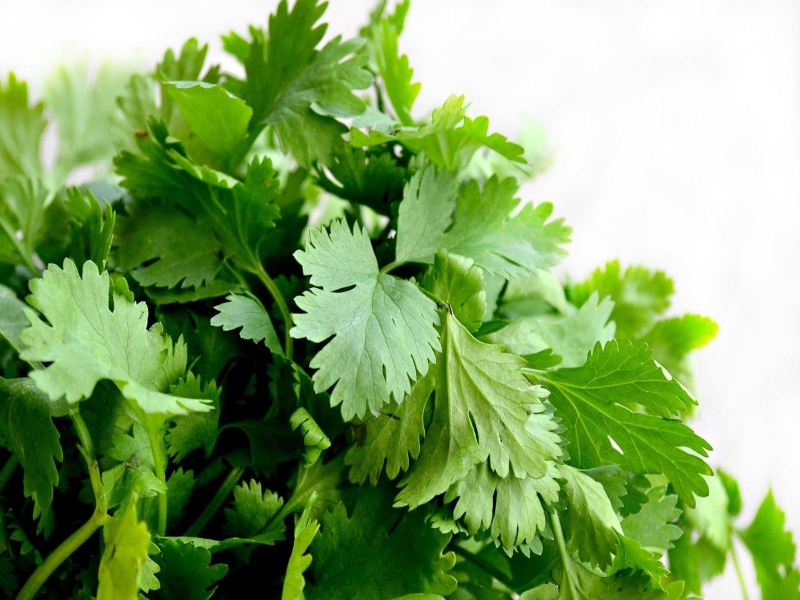
Coriander Or Cilantro Leaves
Another important herb, coriander or cilantro leaves, are frequently used as a garnish in Thai cuisine. It is a must-have for soups, such as tom yam soup.
You will notice that coriander is always used in Thai dishes, and it is always used fresh. Khao Mok Gai and Thai Egg Fried Rice are only two examples of Thai cuisine.
The oil extracted from coriander leaves and seeds contains a mixture of polyphenols and terpenes, with linalool accounting for the majority of the scent and flavor.
The flavor of coriander leaves may be perceived differently by various people. Those who like it describe it as having a pleasant, lemony or lime-like flavor, while those who don’t like it describe it as having a strong aversion to its harsh taste and smell, which they describe as soapy.
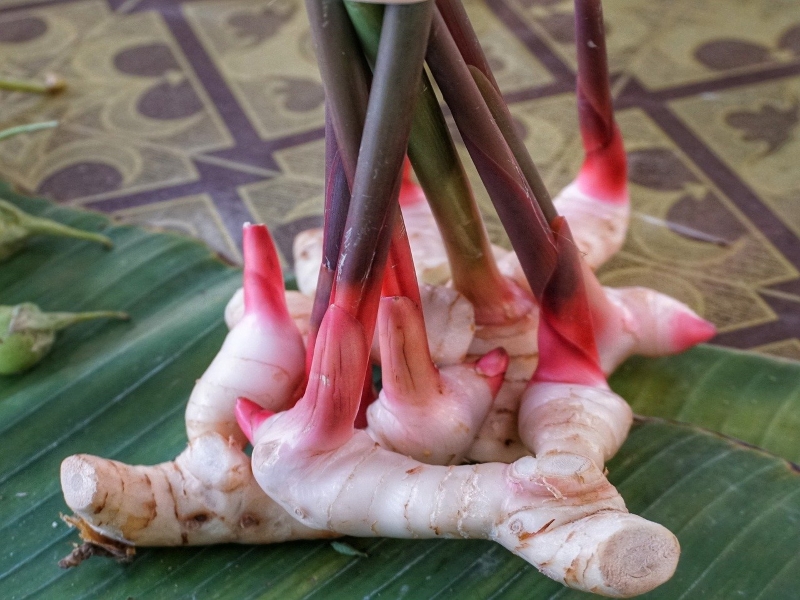
Galangal
Galangal has a thin skin and tube-like lengths that split off into nodes, similar to ginger. Though ginger and galangal have the same appearance and function, galangal has distinct characteristics.
Because of its perfume-like aroma and flavor, galangal root is widely used in many Thai curries and spicy soups.
This type of herb is less spicy and has a stronger pepper backbone. The rhizome also has a citrus flavor that pairs well with lemongrass and fresh fruits. This lemony aspect additionally offers galangal a chunk of a cool pine taste, that can pop out through its aroma as well.
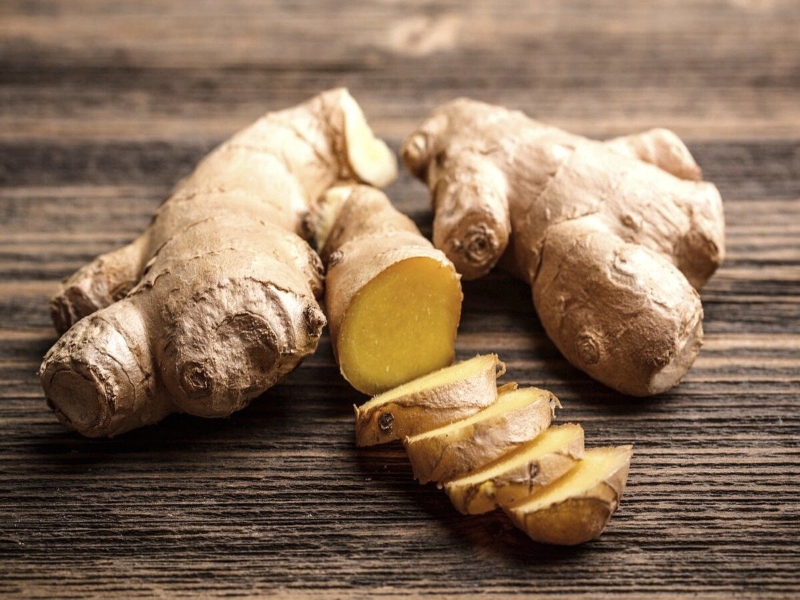
Ginger
Ginger is also a popular herb in Thai cuisine. It can be prepared raw, which is shredded or chopped in Thai dishes like miang kham and khanom chin sao nam, in some chilli dips, or in stir-fried dishes.
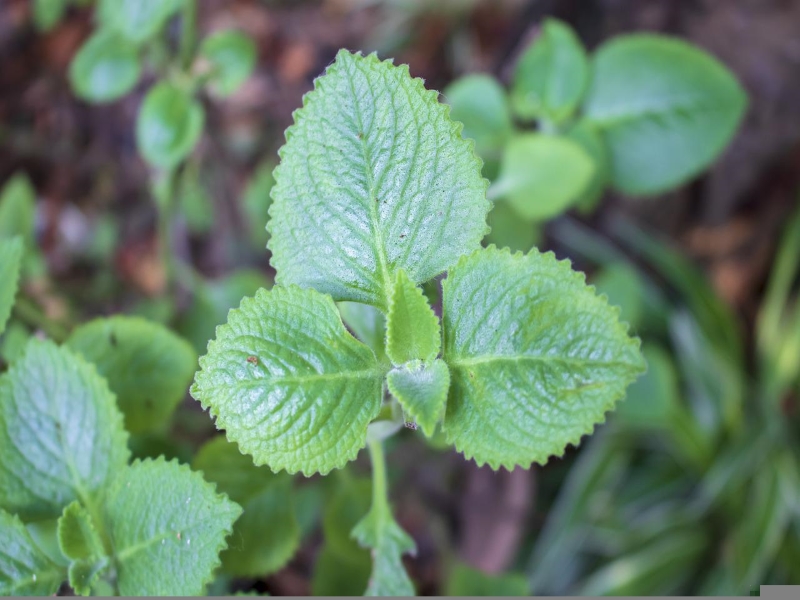
Lemon Basil
The lemon basil leaves are utilized in specific curries. When soaked in water, the seeds look like a frog’s eggs and are utilized in sweet pastries. This herb has a citrus fragrance and flavor.
Compared to holy basil and sweet basil, lemon basil is rarely used in Thai recipes, however it is widely used and available in certain local Thai markets.
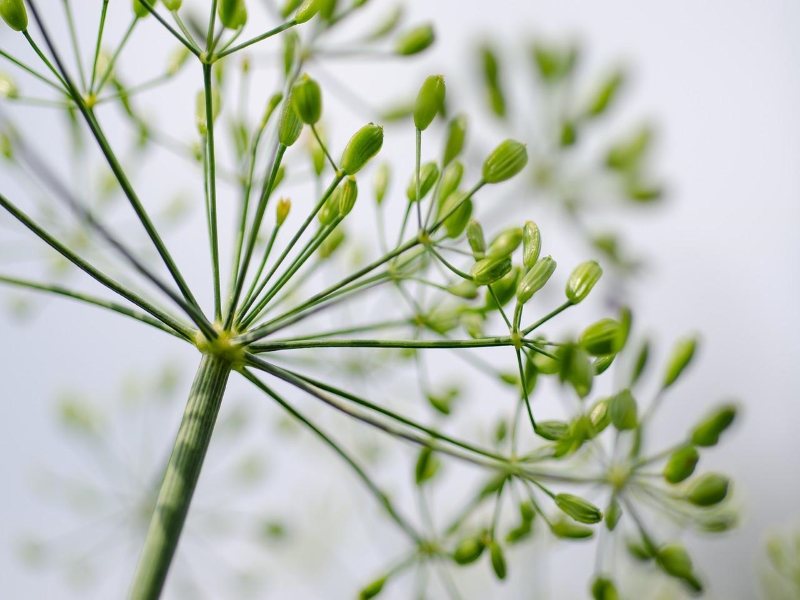
Dill
This herb is also known as Pak Chi Lao in Thailand. Fresh dill is primarily used in specific soups and curries from north-eastern Thailand that don’t include coconut milk in their dishes.
Dill has a robust taste, somewhat anise-flavored herb. The herb is typically used in soups such as like kaeng om (a type of Thai herb soup), and fish dishes.
It’s also often used for pickling and, because of its strong flavor, should be used moderately in salads.
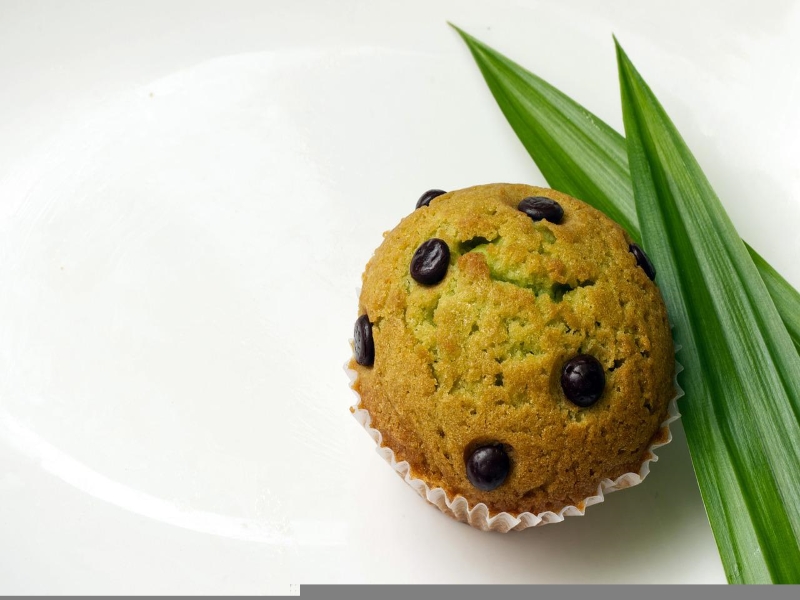
Pandan Leaves or Screwpine Leaves
Also known as Bai toei in Thais. This herb is used as a flavoring for various sweet snacks and desserts because the leaf has a sweet aroma. Widely used in Kai ho bai toei, which is a popular dish in Thailand, deep fried chicken covered in pandan leaves, and to fill the stomach of a grilled or barbecued fish.
The herb is also commonly used as a coloring in desserts like, pandan custard stuffings, or used to create the popular Thai Pandan drinks.
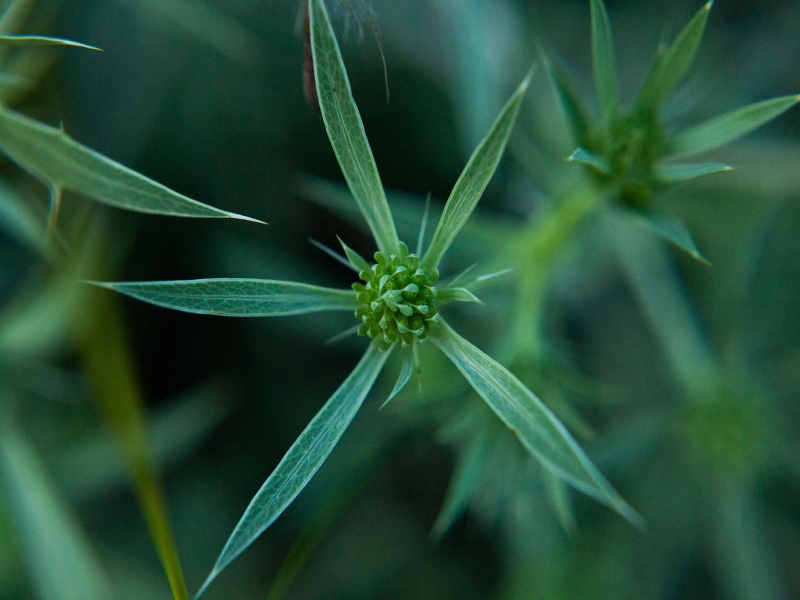
Culantro
Also known as Phak chi farang. When cooking spicy soups and Northern curries, this herb is frequently used. This herb is a good replacement for coriander leaves, however it has a much stronger flavor.
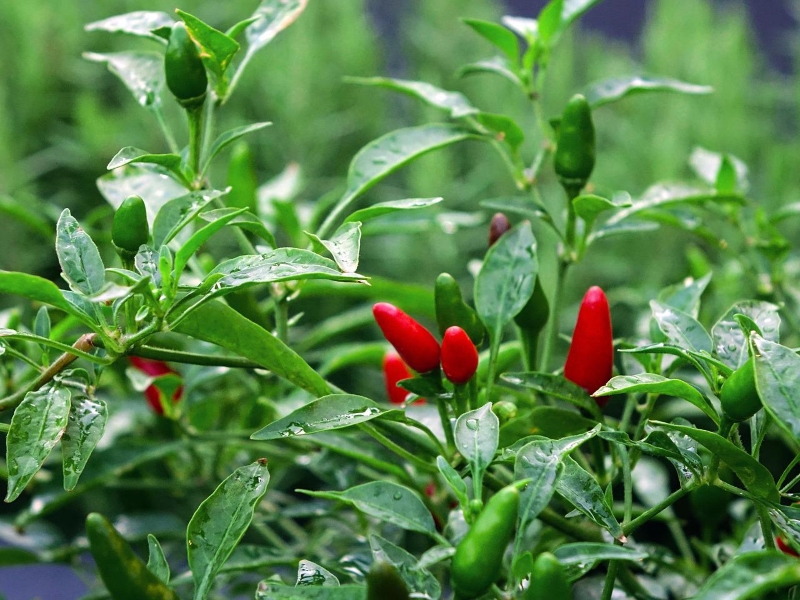
Bird’s Eye Chili or Thai Chili
Bird’s eye chili is a type of chili pepper from the Capsicum annuum species. The chili is extremely pungent. Bird’s eye chili has a small size, but it is very hot.
They are often used in various Thai recipes, including curries and salads, both green and ripe red chilis, or they can simply be consumed raw on the side, such as with khao kha mu or stewed pork trotter served with rice. These chilis are regarded as valuable in Thai cuisine for their fruity flavor and great spiciness.
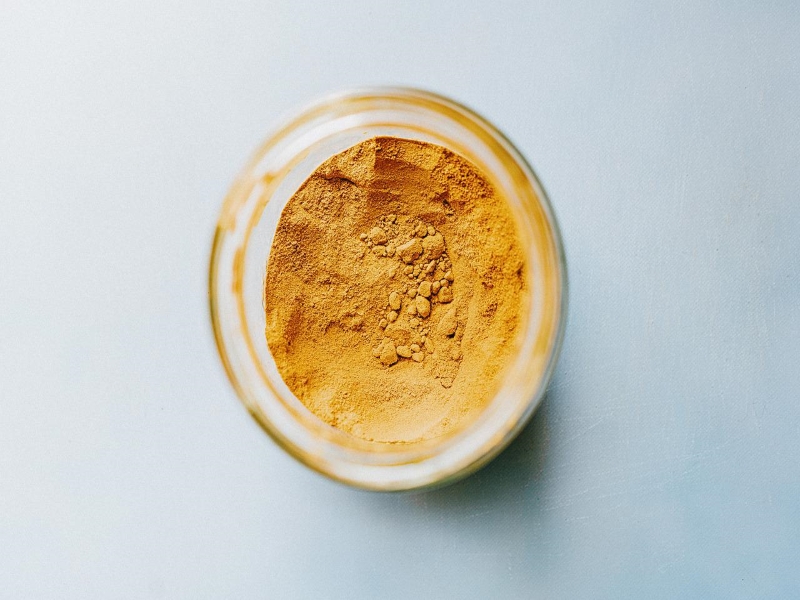
Turmeric
Turmeric is widely used in Southern Thai meals or in North Thailand for Northern style curries. Turmeric is a one of the major ingredients in many Asian dishes, such as in Thai cooking, giving them a mustard-like, earthy scent as well as a spicy, slightly bitter flavor. It’s typically utilized in savory cuisine.
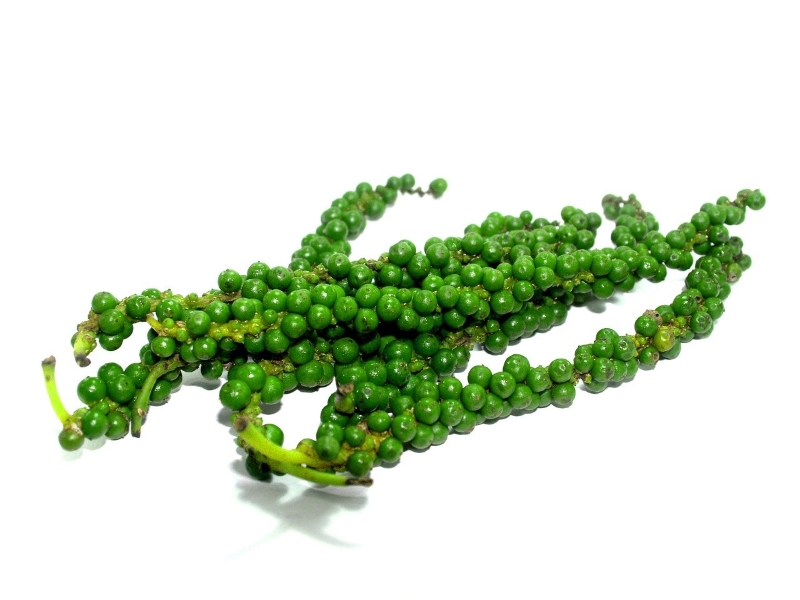
Green Peppercorns
In stir-fried meals and some curries, such as kaeng pa (jungle curry), Thai cuisine typically includes fresh green peppercorns. They have a milder flavor and spiciness than black peppercorns and are regarded the mildest of all the peppercorns.
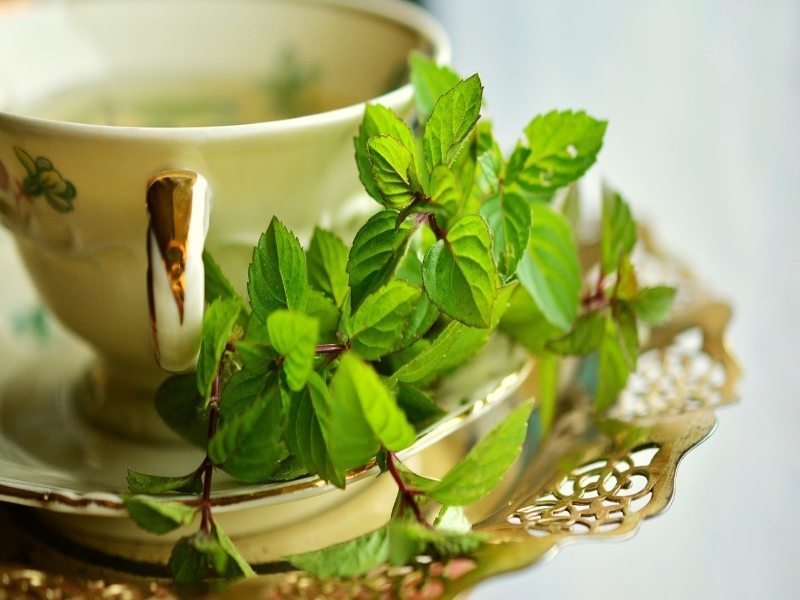
Mint
Mint is utilized in various Thai salads and as method to suppress the ‘muddy’ flavor of particular fish while it is steamed.
It is an excellent garnish for delicious treats such as, Thai spicy cashews, and is frequently used as a topping for several desserts and drinks, for instance, lemongrass tea.