If you ever visit the Philippines, make sure to experience the Filipino cuisine. Filipino food is remarkable in that it combines the cuisines of over a hundred ethnolinguistic groups spread across the Philippine archipelago. Most of the famous Filipino dishes are from the Filipino cooking traditions of the ethnolinguistic groups and tribes, such as the Ilocano, Pangasinan, Kapampangan, Tagalog, Bicolano, Visayan (Cebuano, Hiligaynon, and Waray), Chavacano, and Maranao ethnolinguistic groups.
If you want to learn more about the Filipino cuisine, scroll down and continue reading.
Filipino Cuisine
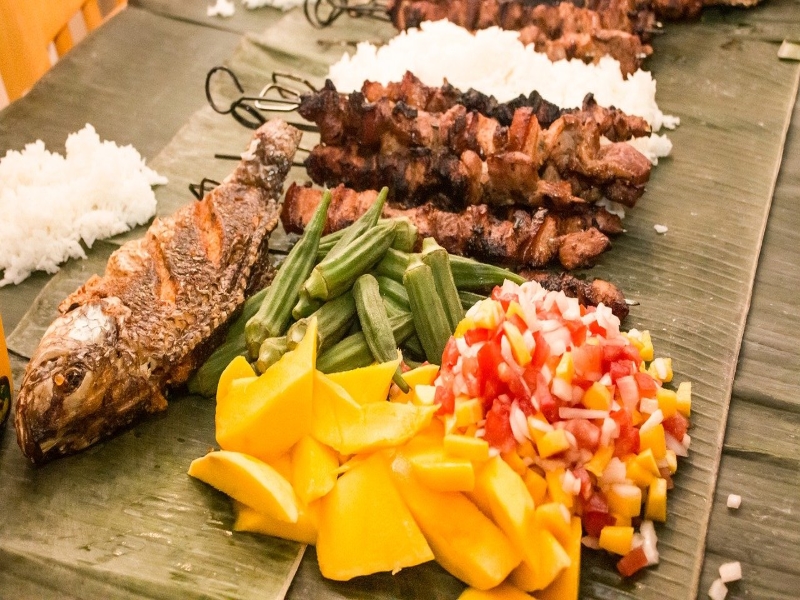
History Of Filipino Cuisine
Boiling, steaming, and roasting were the primary food preparation methods in the Philippines during the pre-Hispanic era. Ingredients for common dishes came from locally raised livestock and poultry, as well as farm products and vegetation. Water buffalos/carabaos, chicken, and pigs were among them, as were many types of fish and other seafood. Austronesians from southern China (Yunnan-Guizhou Plateau) and Taiwan arrived in what is now the Philippines. They brought expertise of rice cultivation and other farming practices with them, resulting in a rise in the amount and variety of edible dish ingredients suitable for cooking.
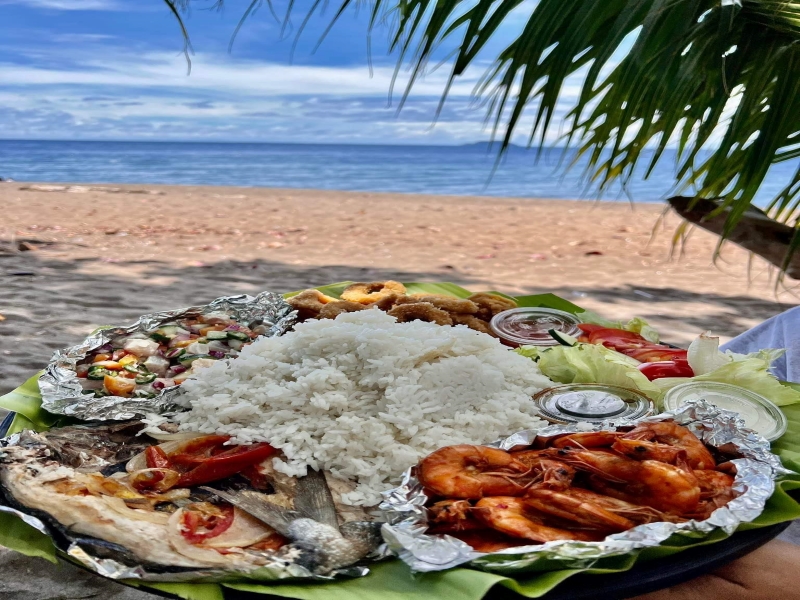
Influences On Filipino Cuisine
The history and society of diverse and flourishing cultures have affected popular Filipino dishes today. Due to the agricultural trade of the time, influences from China, India, and Arabia can be found in Filipino food and culture. Through colonization, the country has absorbed influences from Spain and the United States.
Food in the Philippines is still developing today as new cooking methods, styles, and ingredients make their way into the country. Traditional cuisine, both basic and extravagant, indigenous and foreign-influenced, as well as more recent popular international dishes and fast food fare, are all on the menu. However, compared to other Asian cuisines, the Filipino diet contains more total fat, saturated fat, and cholesterol.
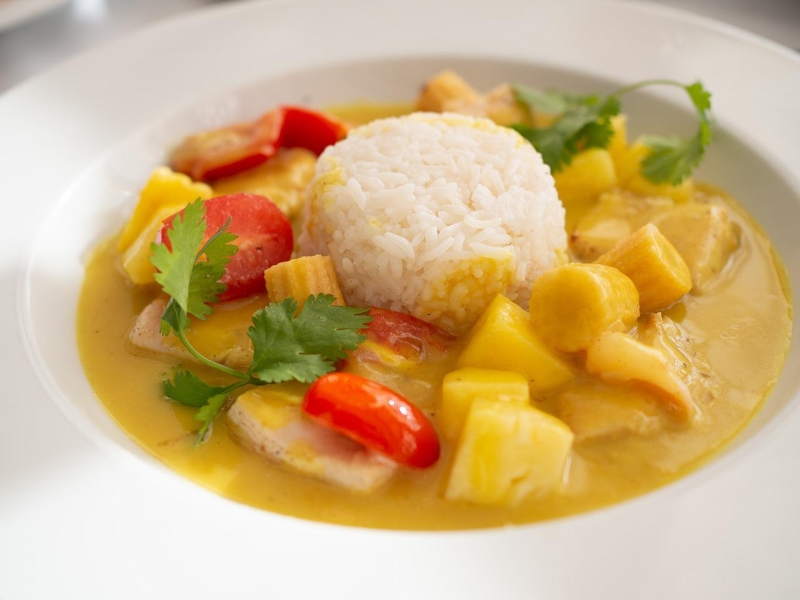
Indian Influence
Rice-based treats such bibingka, puto, and puto bumbong have Indian influences, with the latter two likely originating from the south Indian puttu, which has versions throughout Maritime Southeast Asia. The kare-kare, which is more common in Luzon, can be traced back to the Seven Years’ War, when the British captured Manila with an army that included Indian sepoys, who were forced to modify Indian dishes due to a lack of spices in the Philippines to create curry. This is said to explain the name and its thick, yellow-to-orange annatto and peanut sauce, relating to a curry.
The side dish, Atchara, is derived from Indian achar, which was passed down through the acars of Indonesia, Malaysia, and Brunei.
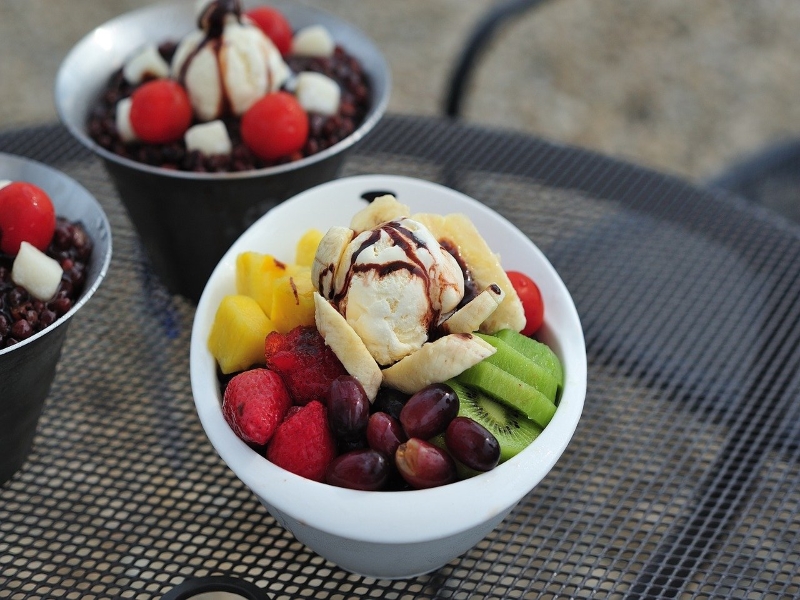
Japanese Influence
Popular during summer, Halo-halo (also spelled haluhalo) is a popular Filipino cold dessert made with crushed ice, evaporated milk or condensed milk, and a variety of ingredients such as coconut strips, ube or purple yam, sago, sweetened beans, gulaman (agar), pinipig rice, boiled taro or soft yams in cubes, slices or portions of fruit preserves and other root crop preserves, flan, and often topped with Halo-halo is considered the Philippines’ unofficial national dessert. Halo-halo was influenced by kakigori, a Japanese ice-shaved delicacy sweetened with condensed milk.
Filipino version, halo-halo can be dated back to pre-war Japanese Filipinos and the Japanese kakigri dessert class. One of the first examples of halo-halo was a Japanese delicacy called mongo-ya, which consisted solely of boiled and cooked mung beans served over crushed ice with milk and sugar. More natural components were added over time, resulting in the development of the present halo-halo.
Influence From Chinese Cuisine
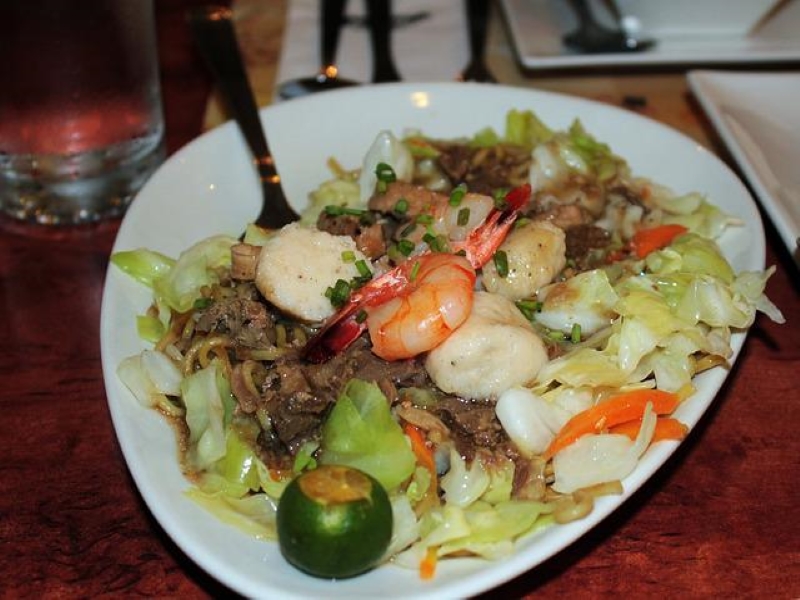
Since the early centuries, the Chinese have been trading with the people of the Philippine archipelago. In the 16th century, Chinese people began to come there. Examples of Chinese influence are lumpia spring rolls and pancit noodles. A lot of ingredients are being used in Filipino cooking today, such as black beans, soy sauce, tofu, pork, and so on.
Influence From Spain
The Spanish invaded the Philippines in 1566 and governed the country until 1899. For their recipes, Filipinos started utilizing a Spanish sofrito of tomatoes, onions, and garlic fried in oil. Many cooking habits and methods, as well as several different recipes, were adapted.
Because the Spanish dominated both Mexico and the Philippines during that time, the two colonies were inextricably tied, and goods were transferred between them. In the 16th century, Spanish invaders and friars imported produce from the New World with them, including chili peppers, corn, cacao, potatoes, tomatoes, pineapples, bell peppers, avocado, jicama, chayote, peanuts, annatto, and the process of sautéing with garlic and onions. Chili leaves are a common ingredient in cookery. The Philippines provided rice, sugarcane, tamarind, coconuts, and mangoes to the Mexican people.
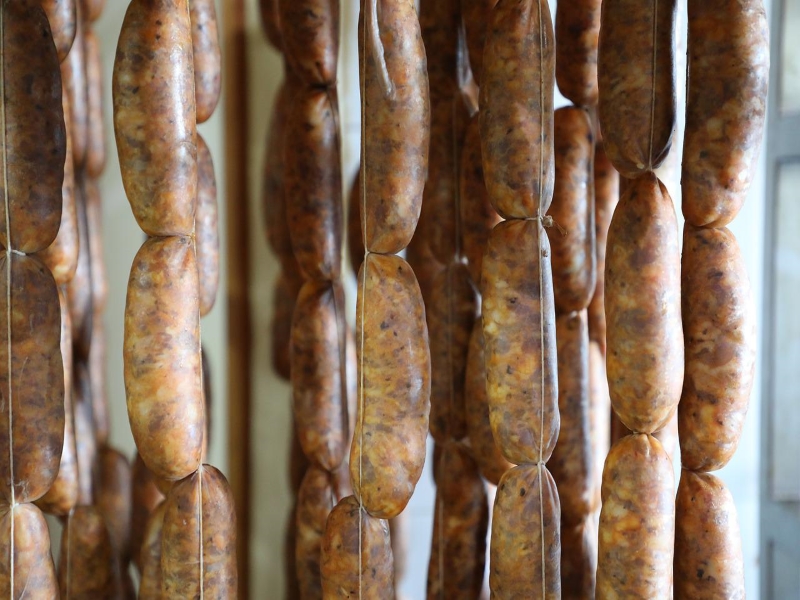
Filipino cuisine gradually included Hispanic cuisines, with the most elaborate meals being reserved for special occasions. In the Philippines, several foods, such as arroz a la valenciana, are essentially unchanged. Some have been changed or adapted to mean something slightly or dramatically different. In the Philippines, ground beef picadillo is generally consumed with arroz a la cubana. Despite its name, Philippine longganisa is more related to chorizo than Spanish longaniza (Althoug in Visayas regions of the Philippines, it is still known as chorizo). Morcon probably refers to a beef roulade delicacy rather than the bulbous Spanish specialty sausage.
American Influence
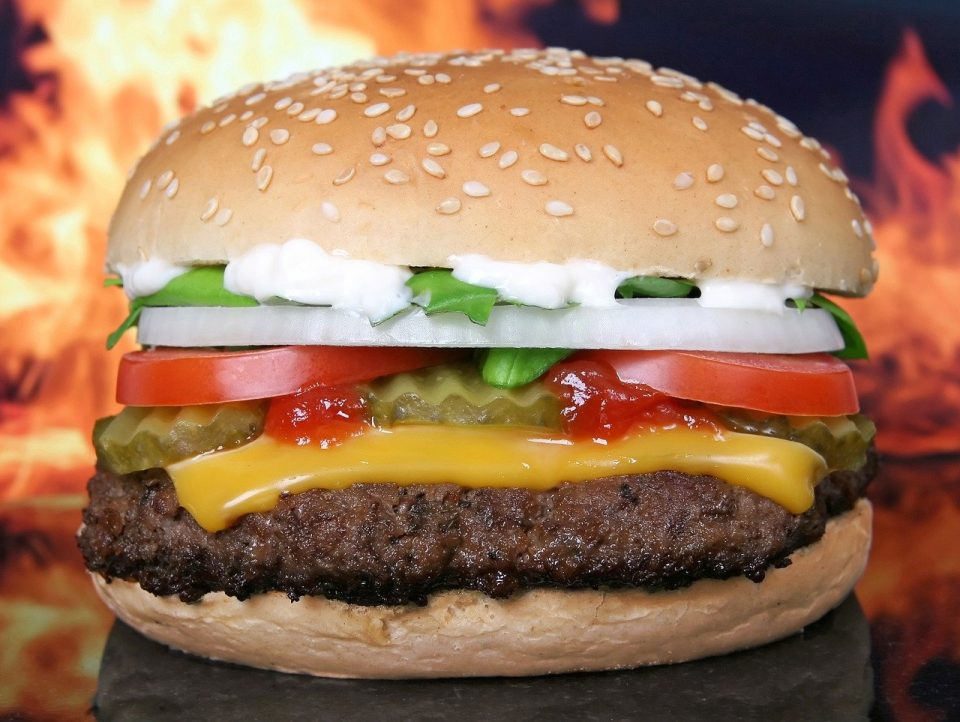
Following the Spanish–American War in 1899, the United States ruled the Philippines because of the Treat Of Paris. Hamburgers, hotdogs, fried chicken, and ice cream were introduced to Filipinos by the US troops. Not only that, corned beef, Spam, evaporated milk, instant coffee, were also offered as convenient foods.
Regional And Ethnic Dishes
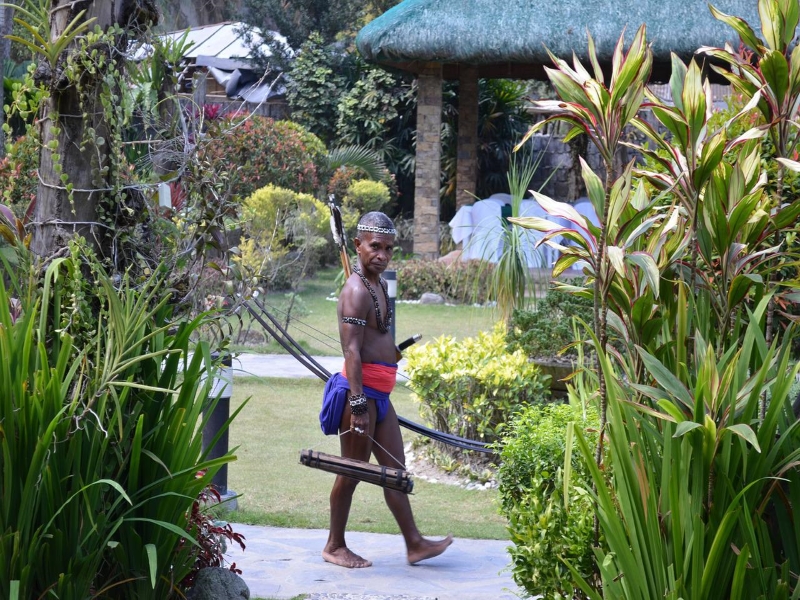
The Philippines’ many ethnic groups result in a wide range of regional cuisines.
Ilocano
From the mountainous Ilocos Region, Ilocanos consume a lot of boiled or steamed vegetables and freshwater fish, and they especially like meals with bagoong, a fermented shrimp paste that is sometimes used as a salt alternative. They are well known for pinakbet, a vegetable dish with minced pork or fish paste. To make pinakbet, Ilocanos season boiled veggies with bagoong monamon also known as fermented anchovies paste. The silky white larvae of ants and “jumping salad” of small live shrimp are also local delicacies.
Igorot
Igorot or Cordilleran people consume roasted meat such as goat meat, carabao meat and venison, with a large amount of indigenous seasonings, such as soy sauce and vinegar.
People From Baguio
Baguio, along with the surrounding mountainous regions, is known for its produce because to its warm, sub-tropical environment. Fruits and vegetables from the temperate zone (strawberries, for instance) that would usually wilt in lower places are produced there. It’s also known for sundot-kulangot, a sticky dessert prepared from milled glutinous rice flour blended with molasses and eaten within pitogo shells with a stick to “poke” its sticky substance with.
Kapampangan
Kapampangan cuisine makes advantage of whatever fresh produce is accessible to the cook. Longganisa, which is made of originally sweet and spicy sausages, calderetang kambing or goat meat stewed, and tocino or sweetened cured pork are some of the delicacies created in Pampanga. Kapampangans also make pork sisig by combining hog cheeks and offal. Pork sisig is a popular Filipino food that is usually served with cold beer.
Tagalog
Tagalog regions include Bulacan, Nueva Ecija, Metro Manila, CALABARZON. Tagalog cuisine is rich in rice, pork, and desserts.
Chicharrón or pork rinds, steamed rice, and tuber cakes, such as puto are all popular delicacies in Bulacan. It is a hub for desserts, such as brown rice cake or kutsinta, ube halaya, suman, sapin-sapin, cassava cake, and the king of sweets, the famous carabao milk candy pastillas de leche, with its pabalat wrapping, in San Miguel, Bulacan.
In Rizal province east of Manila, known as Cainta, Filipino sticky rice cake and puddings are common. These are frequently topped with latik, which is a dry crumbly combination of coconut milk and brown sugar. Coconut flakes toasted in a frying pan are a more modern and time-saving alternative to latik.
Antipolo is a town known for its suman and cashew products, located in the Philippine Sierra Madre’s mountainous regions.
Buko pie or coconut pie and panutsa or peanut brittle are popular in Laguna.
Because of its coastal location, Batangas cuisine is rich in fish, but it is also famous for bopis, a delicious dish made with pork lung and heart, sautéed with chilis, tomatoes, and onions. Batangas cuisine is also popular for making lomi. There is also a local coffee variation known as kapeng barako that many visitors enjoy.
Quezon, particularly the town of Lucban, is recognized for its cuisine, particularly the Lucban longganisa, pancit habhab, and hardinera. Because of its proximity to Bicol, the province feels the influence of coconut milk delicacies like laing (also known as tinuto in some parts of Quezon) and sinantol.
Bicol is recognized for its cultural appetite for fiery or chili-hot dishes. The very spicy Bicol Express is maybe the most well-known Bicolano delicacy. It is a pork stew slow-cooked in green peppers, coconut milk, and onions. Natong, also known as laing or pinangat, is a well-known native of the area (pork or fish stew in taro leaves).
Visayan Region
A place in the Visayas region, Bacolod city, is famous for chicken inasal. In Bacolod, there are numerous restaurants serving great native dishes that are popular with travelers. Grilled chicken or chicken barbeque is known as “chicken inasal” in the Philippines. It’s coated with oil and fried over the fire with red achuete or annatto seeds to give it a scarlet tint. Various delicacies such as piaya, napoleones, and pinasugbo or deep-fried and caramelled banana sprinkled with sesame seeds are also popular in the city.
Binagol, Carabao Milk Pastillas, Suman Latik, and Moron are all native to Leyte, a region in Visayas. The extensive usage of kinagod or grated coconut, and hatok or coconut milk in Taclobanan cuisine distinguishes it. Hinatokan (coconut milk-based meals) cuisines are widely available in the city. Humba is claimed to have originated in this province since the cuisine of the region is slightly sweeter than that of the rest of the country. Because Leyte is bordered by the sea, the province is also known for its seafood delicacies. It is also their staple food. Their dishes include masag (crab), tilang (scallops), and pasayan (shrimp). The taste of waray varies, allowing each family/angkan or tribe) to produce its own recipes. Roskas or hard biscuits made with lard, anise, flour, sugar, butter, and eggs, and Bukayo or coconut strips candy are two more local delicacies.
Batchoy is the famous delicacy of Iloilo. It comes from the Hokkien Chinese word “ba-chui,” which means “pieces of pork”. Fresh egg noodles called miki, buto-buto broth slow-cooked for hours, and beef, pork, and bulalo mixed with local guinamos or shrimp paste make up the original batchoy. Fried garlic, scallions, crushed chicharon or pork rinds, and slices of pig intestines and liver are among the toppings. Another pancit found in the province is pancit Molo, a wonton soup Filipino version that is a specialty of the town of Molo, a well-known area in Iloilo. Unlike other pancit, pancit Molo is soupy rather than dry, and it uses wonton wrappers made from rice flour instead of long, thin noodles.
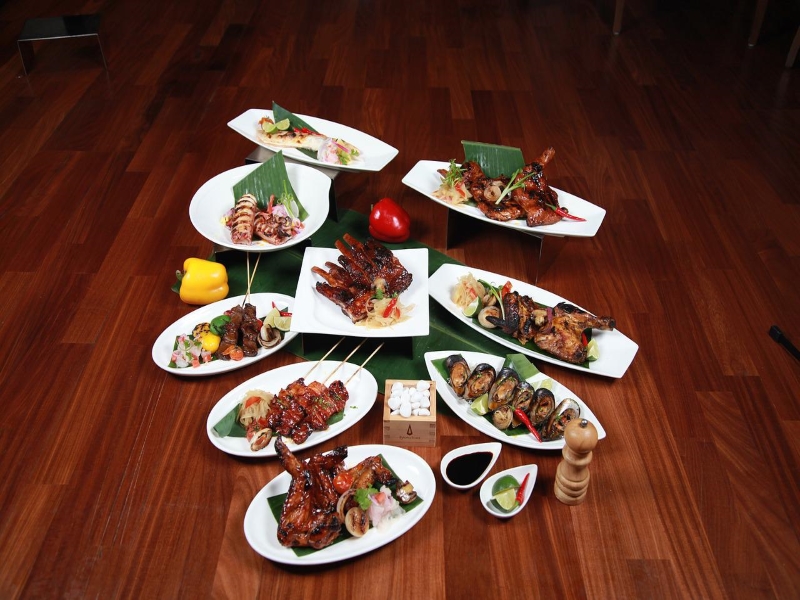
Filipino Main Dishes
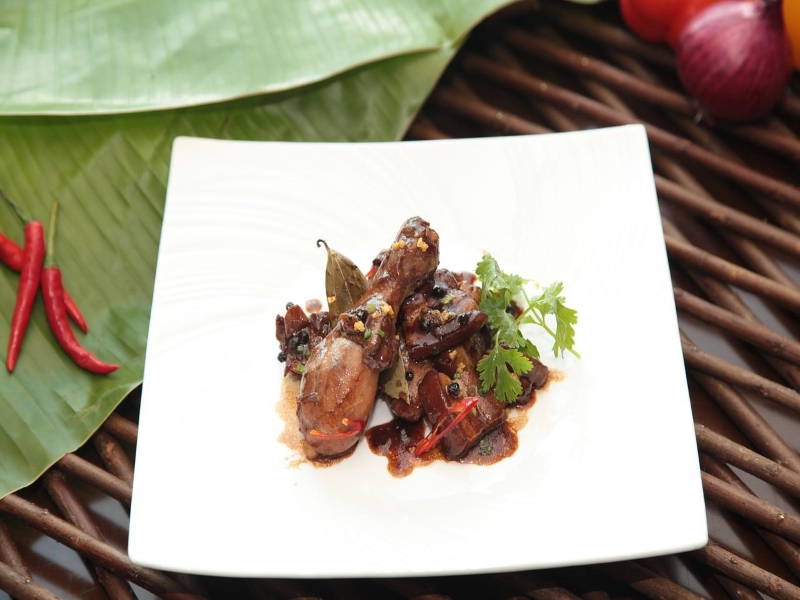
Adobo
Adobo is among the most popular Filipino foods, and many believe it to be the country’s unofficial national dish. It usually consists of stewed or braised pig or chicken, often both, in a sauce consisting of vinegar, cooking oil, garlic, bay leaf, peppercorns, and soy sauce. It can also be made “dry,” with the liquid excluded and the flavor concentrated.
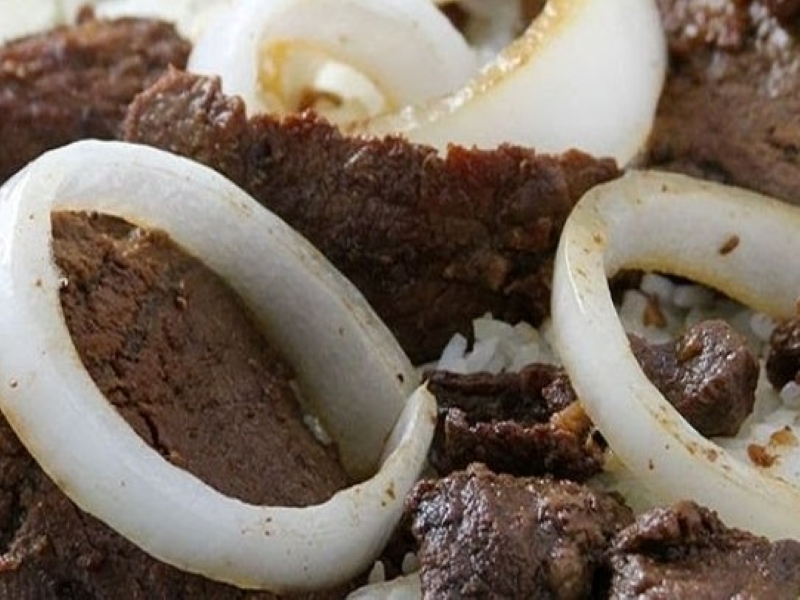
Bistek
Bistek, often known as Filipino beef steak, is made with thinly sliced beef that has been marinated in soy sauce and calamansi before being cooked in a skillet with onions.
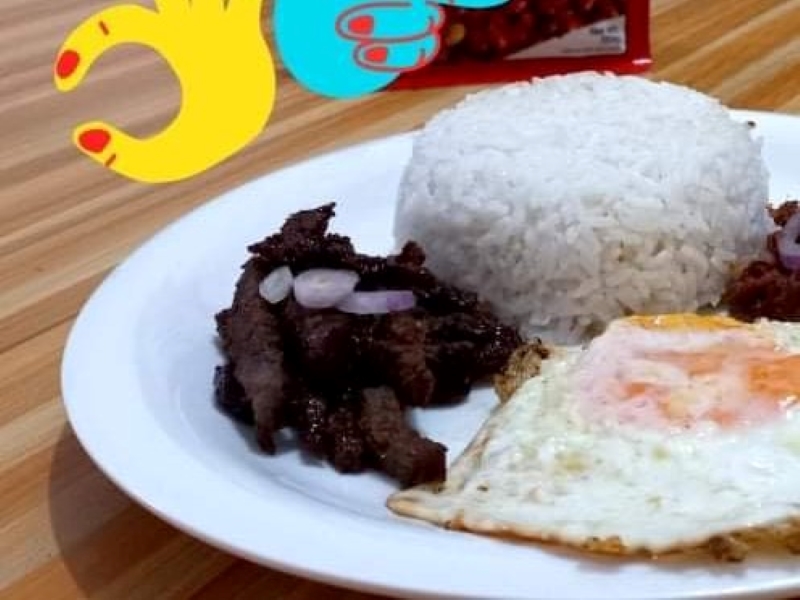
Tapa/Cured Beef
Tapa is usually fried or grilled. Tapsilog is a famous dish in the Philippines. It is a combination of the Tagalog terms tapa, sinangag (fried rice or garlic fried rice), and itlog (fried egg). As a side dish, it may include atchara, pickled papaya strips, or sliced tomatoes. Condiments such as vinegar or banana ketchup are commonly used.
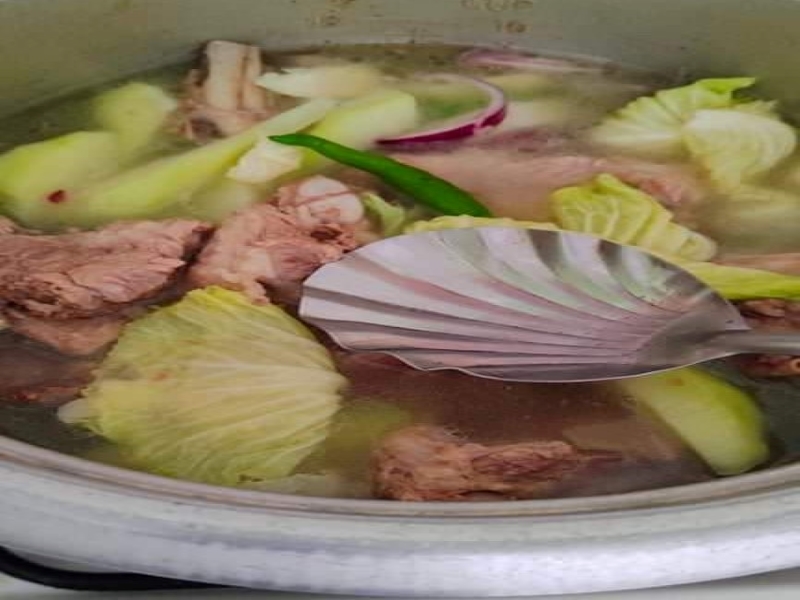
Sinigang Na Baboy
Sinigang is a Filipino soup or stew that has a sour and salty flavor. It’s most commonly associated with tamarind (Sampalok in Filipino), but it can also be made with other sour fruits and leaves. It is one of the most well-known Filipino foods.
Meat or fish are usually used in Sinigang, however pork is the most commonly used meat in this Filipino stew. Tamarind, tomatoes, garlic, and onions are cooked in it. Okra, taro corms (gabi adds a starchy component to the meal and thickens the broth), white radish (labanós), water spinach (kangkóng), yardlong beans (sitaw), and eggplant (talóng) are some of the other vegetables typically used in the preparation of sinigang. The majority of Filipinos prefer to cook sinigang with green long peppers to add flavor and spiciness to the dish.
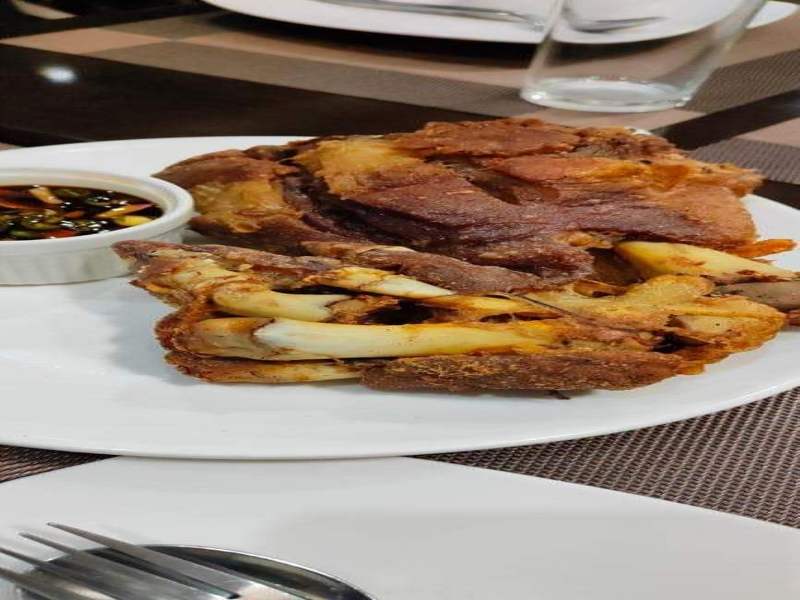
Crispy Pata Or Deep Fried Pork Knuckles
Another popular dish in the Philippines is crispy pata or pork knuckles (known as pata). Crispy pata is marinated in garlic-flavored vinegar and deep fried till crisp and golden brown.
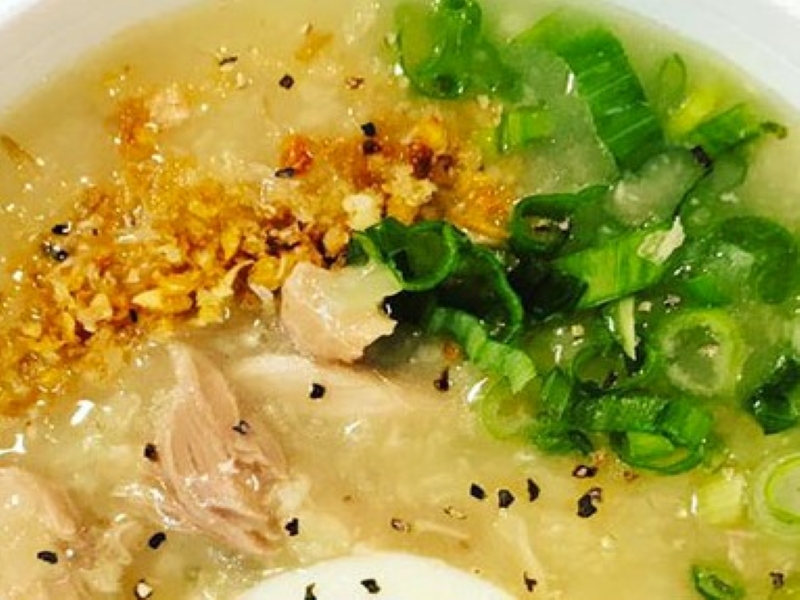
Arroz Caldo
Arroz caldo is a dish prepared with rice porridge, ginger, chicken, and sometimes saffron, served with spring onions (chives), and toasted garlic. Another variation is goto, which is ox tripe arroz caldo.
There is also another much different rice porridge called champorado which is sweet and flavored with chocolate and often served at breakfast paired with tuyo or daing. This chocolate rice porridge is a favorite snack of Filipino children.
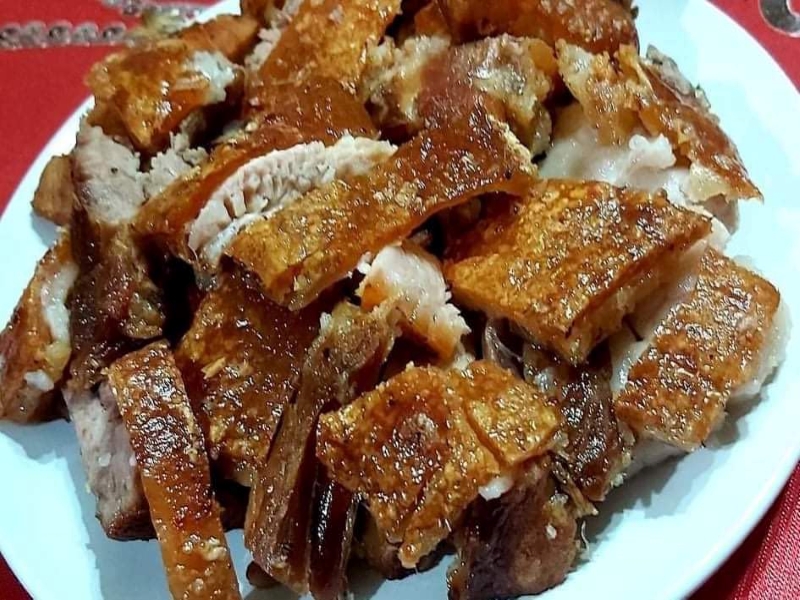
Lechon Kawali Or Deep Fried Pork Belly
The Filipino dish lechon kawali, also referred as lechon de carajay, consists of pork belly deep-fried in a skillet or wok (kawali in Filipino). It’s seasoned ahead of time, cooked, and then cut into cubes. It is commonly served with a dipping sauce like sarsa ng litson (lechon sauce), which is made with vinegar and pork liver, or toyomansi, which is created with toyomansi (soy sauce with calamansi).
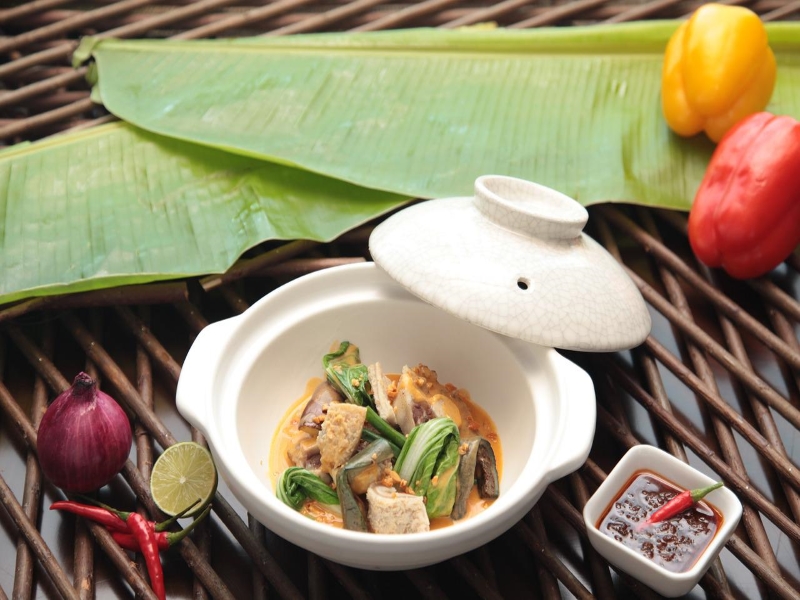
Kare-kare
Kare-kare is a thick savory peanut sauce-based Philippine stew. It comes from the word “curry”. It is usually cooked with stewed oxtail, beef tripe, calves’ feet, pork hocks, pig’s feet or trotters, various types of pork, beef stew meat, and offal as a base. Chinese cabbage, Eggplant, or other greens, daikon, green beans, okra, and asparagus beans are among the vegetables used. Ground roasted peanuts or peanut butter, onions, and garlic enhance the taste of the stew. It is colored with annatto and thickened with toasted or plain ground rice. Kare-kare can be cooked with seafood, such as squid, prawns, and mussels, or it can be made entirely of vegetables.
Tinapa Or Smoked Fish
Tinapa is a Filipino dish for smoked fish that has been cooked or preserved. It is a traditional Filipino dish cooked from blackfin scad (Alepes melanoptera or galunggong in Filipino) or milkfish (bangus).
Canned tinapa in tomato sauce is widely available and sold commercially across the country, but it is still made in traditional ways or cooked at home. The essential steps in the Tinapa recipe include washing the fish, brining it for an extended period of time, typically 5–6 hours, air drying, and finally smoking the fish. Galunggong (scads) or bangus(milkfish) are two fish species that are widely utilized to make tinapa.
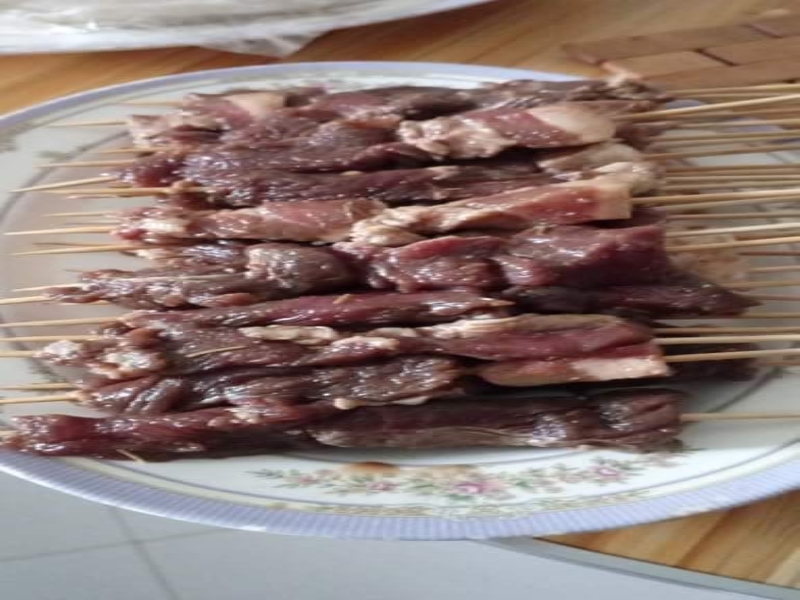
Inihaw Or Filipino Pork Barbecue
Inihaw is a Filipino barbecue commonly prepared with pork and eaten with a soy sauce and vinegar-based dip on bamboo skewers or in small pieces. Inihaw or pork barbecue is a street food that is served with steamed rice or rice cooked in coconut leaves (pusô).
Usual Filipino Meals Of The Day
Breakfast, lunch, and dinner are the three main meals eaten by Filipinos, with an afternoon snack known as meryenda.
Breakfast
Pandesal or small bread rolls, kesong puti (fresh, unripened white Filipino cheese traditionally made from carabao’s milk), champorado (chocolate rice porridge), silog (garlic fried rice) or sinaing (fried egg and meat, such as tapa, longganisa, tocino, karne norte (corned beef), or fish such as daing na bangus (salted and dried milkfish) or salted duck eggs are the typical breakfast Filipino meals. Coffee is also often provided, notably kapeng barako, a strong-flavored kind of coffee grown in the Batangas mountains.
Lunch
Breakfast or lunch is usually the major meal. Filipinos rush outside their workplaces or to their kitchens to dine at 12 p.m. A typical Filipino lunch consists of a 1 or 2 food viand and rice, with soup added occasionally. Rice goes with anything, whether it’s grilled, stewed, or fried. Because of the Philippines’ tropical environment, ice cold water, juices, or soft drinks are served with meals.
Dinner
Filipino dinners are nearly identical to their lunches, but they like to eat light meals.
Snacks
Merienda is a light meal or snack offered in the afternoon, akin to afternoon tea. If the meal is served close to dinner, it is termed merienda cena and may be served instead of dinner.
Pandesal, ensaymada (buttery brioche coated in grated cheese and sugar), hopia (pastries that is the same to mooncakes filled with mung bean paste), and empanada (tasty, meat-packed pasties) are among the breads and pastries served with coffee. Traditional sticky rice pastries such as kutsinta, sapin-sapin (multicolored, layered pastry), palitaw, biko, suman, Bibingka, and pitsi-pitsî (prepared with desiccated coconut). are also popular afternoon snacks.
Pancit canton (stir-fried noodles), palabok (rice noodles with a shrimp paste or sauce), tokwa’t baboy (fried tofu with boiled pork ears in a garlic-flavored soy sauce and vinegar dressing), and dinuguan (a spicy stew made of pork blood), which is often served with puto (steamed rice flour cakes), are also some of the Filipino dishes popular during merienda.
Dumplings and dim sum, which were introduced to the islands by Fujianese migrants and given a Filipino twist, are popular merienda cuisine. Squid balls and fish balls, for instance, are popular street foods, placed on bamboo sticks and eaten with soy sauce and calamansi juice as condiments.
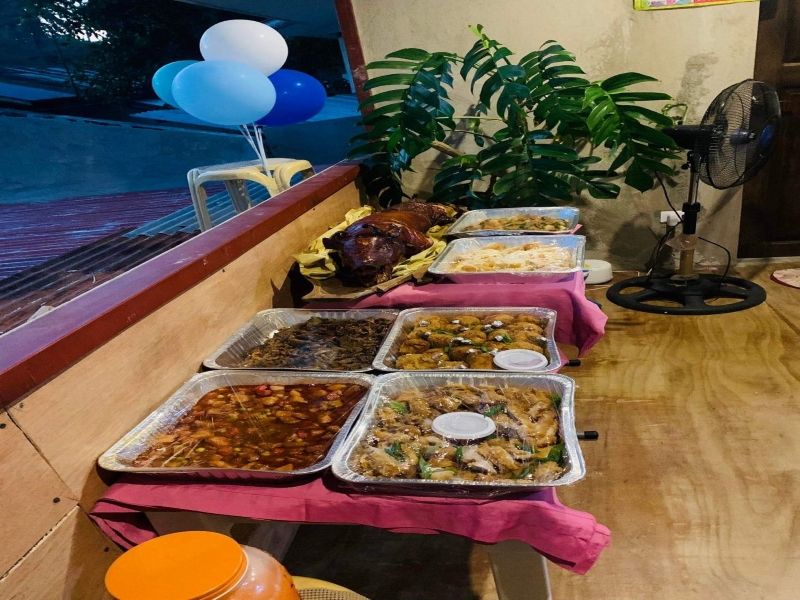
Filipino Foods During Special Occasion
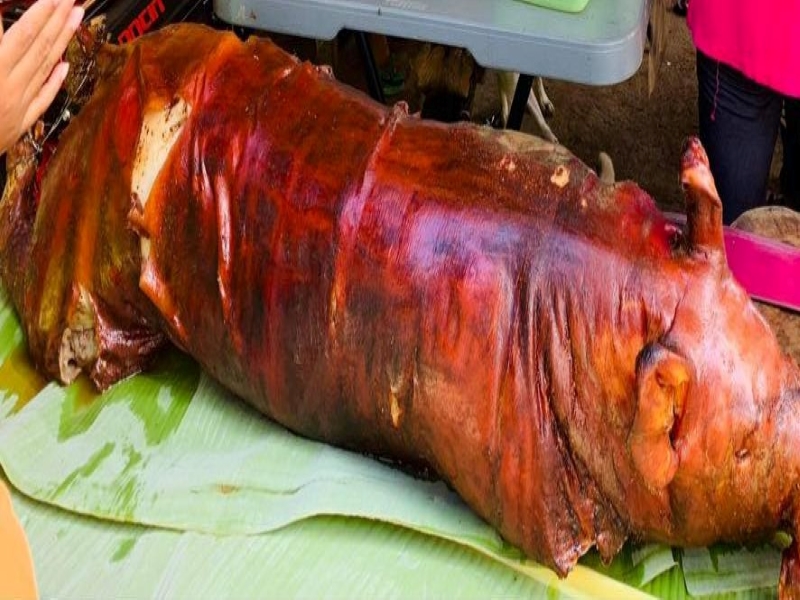
During a fiesta, people get together and cook more lavish dishes. Tables are frequently stacked with costly and time-consuming delights that need hours of preparation. Lechon is the highlight of the meal in Filipino celebrations. A entire roasted pig is generally served. It’s best eaten with lechon sauce, which is produced from the liver of a roasted pig. Hamonado (honey-cured beef, pork, or chicken), relleno (stuffed chicken or milkfish), mechado, afritada, caldereta, puchero, paella, menudo, morcon, embutido (a meatloaf dish), suman (a savory rice and coconut milk concoction steamed in banana leaves), and pancit canton are among the other dishes served. Assorted sweets and desserts such as leche flan, ube, sapin-sapin, sorbetes (ice creams), totong or sinukmani (rice, coconut milk, and mongo bean pudding), ginataan (coconut milk pudding with various root vegetables and tapioca pearls), and gulaman (a coconut milk pudding with various root vegetables and tapioca pearls) may also be served on the table.
The most significant feast in the Philippines is Noche Buena, or Christmas Eve. The Christmas ham and Edam cheese or queso de bola are the stars of the table. During the Christmas season, supermarkets are stocked with these delicacies, which are popular company giveaways in addition to red wine, brandy, groceries, and pastries. Puto bumbong is purple colored ground sticky rice boiled vertically in small bamboo tubes, and sold in front of churches alongside bibingka during the Christmas season.