Why should you go to the Philippines? It’s simple, that’s because “It’s more fun in the Philippines!”. Yep! This is so true, and it is the official slogan of the Philippine tourism.
The Philippines, or officially known as the Republic of the Philippines, is a Southeast Asian archipelago country. It is located in the western Pacific Ocean and is made up of approximately 7,640 islands divided into three primary geographic regions from north to south: Luzon, Visayas, and Mindanao.
Filipino culture is marked by its cultural diversity. Despite the fact that the Philippines’ various ethnic groups have only lately created a shared Filipino national identity, their cultures have all been influenced by the region’s geography and history, as well as centuries of interaction with neighboring cultures and colonial forces. Filipino culture has been impacted by its participation in the global community in recent years.
This article discusses Filipino culture and history. Continue reading if you’re interested in learning more about this beautiful country, and its unique cultural heritage.
Filipino Culture And History
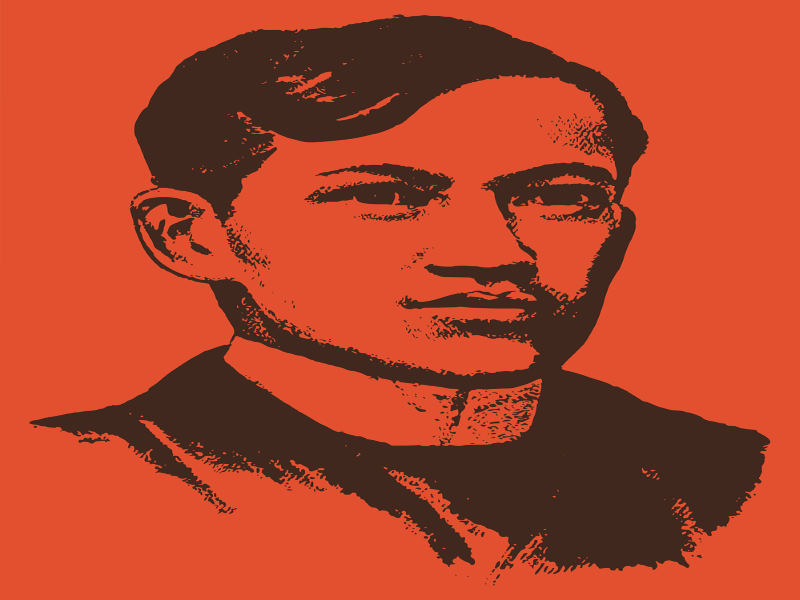
History
Colonization
In 1543, the Philippines were given the name Filipinas in honor of King Philip II of Spain.
In 1565, Spanish explorer Miguel López de Legazpi travelled from Mexico and began colonization. The Spanish used the divide and conquer strategy to successfully attack the several local republics, bringing most of what is now the Philippines under a single united authority. Disparate barangays were purposefully merged into towns so that Catholic missionaries could more readily convert the residents to Christianity. From 1565 to 1821, the Philippines was under the Spanish rule.
Philippine ports opened to world trade in the 19th century, and changes in Filipino society began. A change in social identity and renewed immigration resulted in the Latin American wars of independence, with the name Filipino referring to all people in the archipelago rather than just Spaniards born there. This identity shift was sparked by wealthy mixed-race families, and it eventually became a national identity.
Three activist Catholic priests were killed under controversial circumstances in 1872, fueling revolutionary sentiments. Marcelo H. del Pilar created a propaganda movement in Spain as a result of this. Lobbying for political reforms in the Philippines by del Pilar, José Rizal (today, Jose Rizal is recognized as the national hero of the Philippines), Graciano López Jaena, and Mariano Ponce. On December 30, 1896, Rizal was executed on allegations of rebellion. Many Spaniards became politicized as a result of this. As attempts at reform met with opposition, Andrés Bonifacio founded the Katipunan, a militant secret movement that sought independence from Spain by armed revolution, in 1892.
In 1896, the Katipunan initiated the Philippine Revolution. Internal conflict resulted in an election in which Bonifacio was expelled and Emilio Aguinaldo was elected as the revolution’s new leader. However, the Biak-na-Bato Pact, signed in 1897, forced the revolutionary leadership to flee to Hong Kong. The Spanish–American War started in 1898, and eventually reached the Philippines. On June 12, 1898, Aguinaldo came back, continued the revolution, and declared independence from Spain. On January 21, 1899, the First Philippine Republic was created.
The Philippine–American War broke out as it became evident that the United States just wouldn’t recognize the First Philippine Republic. The war led to the deaths of 250,000 to 1 million civilians, largely due to malnutrition and illness. An American civilian government was established after the defeat of the First Philippine Republic. Suppressing an ambitious extension of the Philippine Republic, capturing the Sultanate of Sulu, and gaining control over interior mountain regions that had resisted Spanish conquest, American soldiers managed to secure and extend their rule over the islands. The Philippines was then a US territory for nearly 50 years. The widespread usage of the English language, media, and modern culture and attire in the Philippines now reflects American influence.
Tagalog started to take precedence over other local languages as cultural changes enhanced the ongoing formation of a national identity. Under the Taft Commission, government powers were gradually transferred to Filipinos, and the Philippines was awarded Commonwealth status in 1935, with Manuel Quezon as president and Sergio Osmena as vice president. Defense, social justice, economic diversification, and national character were among Quezon’s top goals. Tagalog was declared the national language, and women’s suffrage and land reform were proposed.
During World War II, the Japanese troops arrived in The philippines, and Jose P. Laurel founded the Second Philippine Republic as a puppet state. The Japanese invasion of the Philippines was met with widespread underground guerilla action beginning in 1942. During the conflict, murders and war crimes were executed, such as the Bataan Death March and the Manila Massacre. In 1945, Allied forces beat the Japanese. Over a million Filipinos are thought to have died by the end of the conflict. The Philippines joined the United Nations as a founding member on October 11, 1945. During the administration of Manuel Roxas, the Philippines was officially acknowledged as an independent nation by the United States on July 4, 1946, through the Treaty of Manila.
Post Colonnial
The Filipino First Policy was established by Magsaysay’s successor, Carlos P. Garcia, and was continued by Diosdado Macapagal, with Independence Day being shifted from July 4 to June 12, the date of Emilio Aguinaldo’s declaration.
The longest-serving president in the history of the Philippines is Ferdinand Marcos, serving from 1965 to 1986. He reigned under martial law from 1972 to 1981. Marcos was re-elected in 1982, although he faced fierce resistance. When opposition leader, Benigno Aquino was assassinated shortly after his return from exile in the United States, his widow, Corazon Aquino, ran for president in 1986. Marcos declared triumph, but was accused of deception. This charge, together with the United States’ withdrawal of assistance for Marcos, sparked “People Power,” a revolution in which Manila people protested the Marcos administration. The Philippine military backed Aquino, who was elected president, and the Marcos family fled to Hawaii.
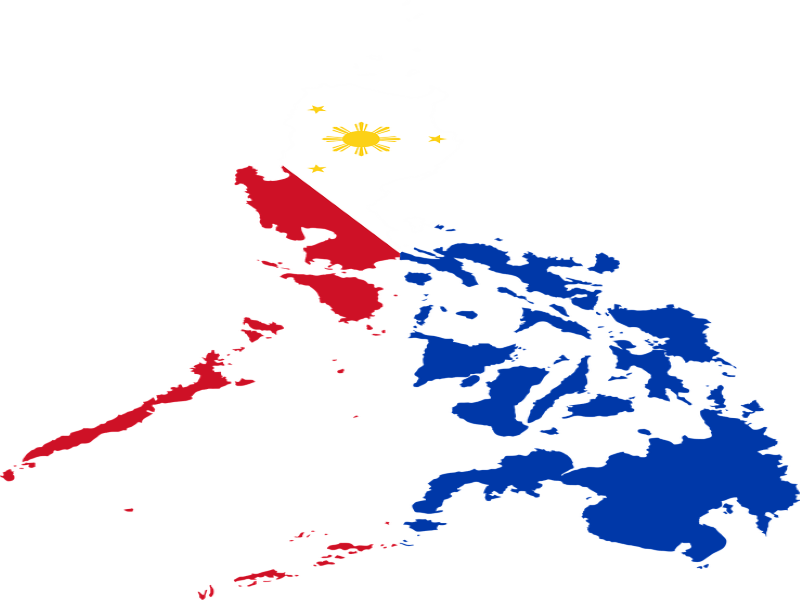
Location and Geography
The archipelagic geography, terrain, and physical location of the Philippines within Maritime Southeast Asia have all affected the cultural history of the country’s 175 ethnic groups.
The Philippines’ cultural diversity stems from its status as an archipelagic state. It is the world’s fifth biggest island nation and one of the five original archipelagic states issued by the United Nations Convention on the Law of the Sea (UNCLOS). It consists of 7,641 islands with a total land area of 300,000 square kilometers (115,831 square miles) and an exclusive economic zone encompassing 2,263,816 square kilometers (874,064 square miles) of sea, 200 nautical miles (370 kilometers) from its borders. Maritime and riverine transport enabled and defined the settlement of the islands by its many ethnic groups, as well as the cultural exchanges that molded their cultural histories, with ocean and river travel serving as these cultures’ main means of relating to one another, and long inland mountain ranges serving as the major physical significant barrier to cultural linkages between different groups.
The islands have several volcanoes. In the year 2000, Mount Mayon in southern Luzon erupted. In 1991 and 1992, Mount Pinatubo in central Luzon erupted. Thousands of people were forced from their tribal homelands as a result of both eruptions, which destroyed villages and farmland. The little islands have a hilly center with coastal lowlands because the country is volcanic. The northern provinces of Luzon have a vast central valley along the Cagayan River, and the midlands near Manila, the capital city of the Philippines, have plains. Central plains can also be found in Mindanao and Panay. The Sierra Madres on the east coast and the Cordilleras in the center make up Northern Luzon’s primary mountain ranges. Mount Apo in Mindanao has the highest peak at 9,689 feet (2,954 meters).
Climate
The Philippines has a tropical marine climate, which is hot and humid most of the year. From March to May, there are three seasons, a hot dry season (summer), a rainy season (June to November), and a cool dry season (December to February). May to October is the southwest monsoon, and November to April is the northeast monsoon. Temperatures typically range from 21 to 32 degrees Celsius (70 to 90 degrees Fahrenheit). January is the coldest month, while May is the hottest.
The average annual temperature is roughly 26.6 degrees Celsius (79.9 degrees Fahrenheit). When it comes to temperature, latitude and longitude are not that important, and temperatures at sea level are likely to be similar. The effect of altitude is frequently greater. Baguio’s average annual temperature is 18.3 °C (64.9 °F) at an elevation of 1,500 meters (4,900 feet) above sea level, making it a popular summer resort. The mountainous east coast area receives up to 5,000 millimeters (200 in) of annual rainfall, while sections of the sheltered valleys receive less than 1,000 millimeters (39 in).
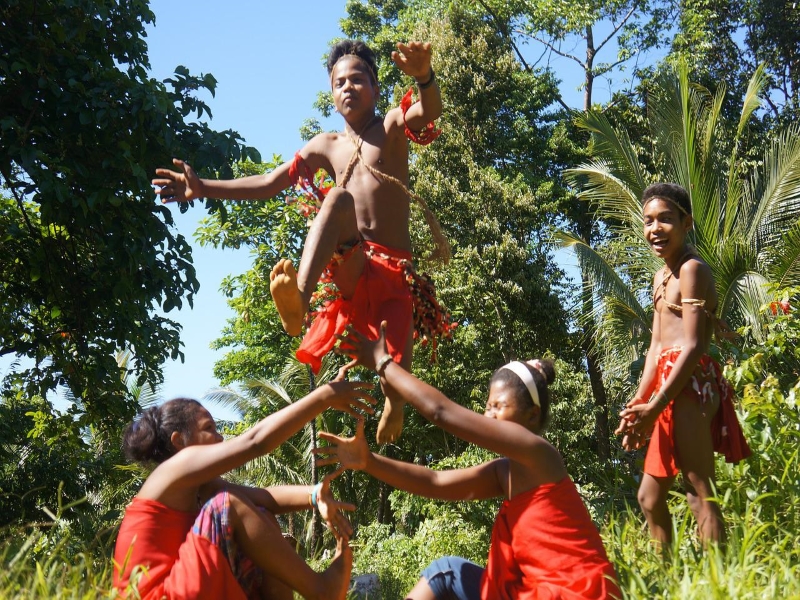
Ethnic Groups Of The Philippines
Over 182 ethnolinguistic groups live in the Philippines, many of whom are categorized as “Indigenous Peoples” under the government’s Indigenous Peoples’ Rights Act of 1997. Whether or not they are recognized as Indigenous groups, traditionally-Muslim Filipinos from Mindanao’s southernmost island group are grouped together as Moro peoples. There are around 142 non-Muslim Indigenous People groups, and approximately 19 ethnolinguistic groups that are neither indigenous nor Moro. Throughout the country’s history, various migrant groups have had a major presence.
The Moro people, a broad term that encompasses some indigenous people groups and other non-indigenous people groups. They are usually the Muslim-majority ethnic groups ethnolinguistic groups of Mindanao, Sulu, and Palawan.
Approximately 86 to 87 percent of the Philippine population is made up of 19 ethnolinguistic groups that are neither indigenous nor moro. To differentiate them from the other ethnolinguistic groupings, these groups are frequently referred to as “Lowland Christianized groups.” The Ilocano, Pangasinense, Kapampangan, Tagalog, Visayans and Cebuanos, Bicolano, Boholano, Hiligaynon/Ilonggo, and Waray are the most numerous of these ethnicities, with numbers exceeding one million people. Throughout the country’s history, many of these tribes, notably local and migrant lowland-coastal communities, converted to Christianity and acquired foreign characteristics of culture, such as the Spanish culture.
Because to the Philippines’ history since the Spanish colonial era, various historical migrant heritage groups, such as Chinese Filipinos and Spanish Filipinos, intermarried with the above lowland Austronesian-speaking ethnic groups, resulting in Filipino Mestizos.
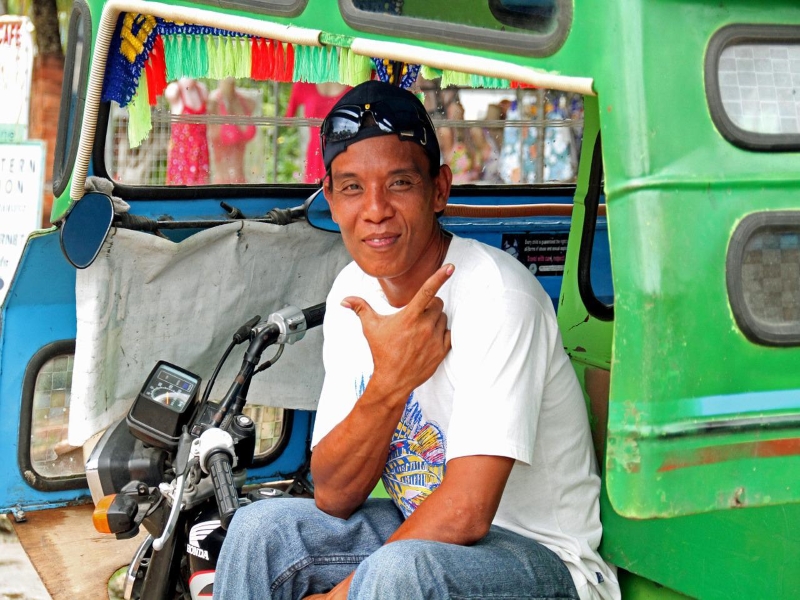
Filipino Values
Most Filipino values are oriented on ensuring social harmony, with the desire to be accepted within a community driving them. The notions of “Hiya,” which roughly translates as “shame,” and “Amor propio,” or “self-esteem,” are the key barriers to departing from these beliefs. Major concerns include group acceptance, social acceptability, and belonging to a group. Filipinos’ social behavior is heavily influenced by their concern about what others will think, say, or do.
Positivity about the future, negativity about current situations and events, concern and care for others, the existence of friendship and friendliness, the tradition of being hospitable, religious nature, respect for self and others, respect for female members of society, fear of God, and disdain of acts of cheating and thievery are also elements of the Filipino value system.
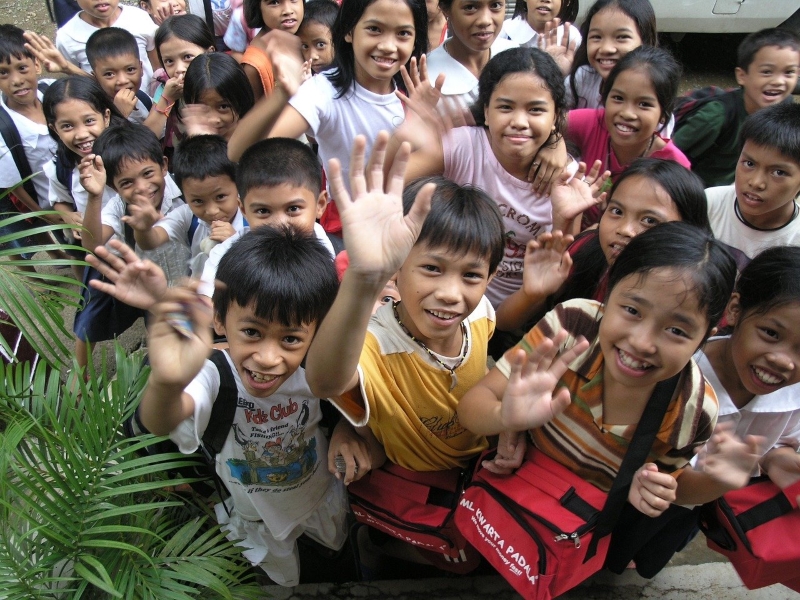
Education
The Philippines’ education system has been affected by Western and Eastern ideology and philosophy from the United States, Spain, and its Asian neighbors.
The Department of Education (DepEd) is the Philippines’ largest government agency.
Philippine children begin public education at the age of four and progress through nursery school and kindergarten. Students enter elementary school (6–9 years) when they are about seven years old, which comprises Grades 7–10 as junior high school, and then they graduate. Students will enter SHS, or senior high school, a two-year course, to prepare for college life with their preferred course, as the Philippines has already established the K-12 system.
There are various types of school in the country. Private schools, preparatory schools, laboratory high schools, international schools, and science high schools are among the other types of schools in the country. Private Catholic schools are the most well-known of these schools. Because of their religious values, Catholic schools are popular in the Philippines. The majority of Catholic schools are coed. Together with the school colors, Catholic school uniforms usually contain an emblem. Singaporean, American, and British curriculum are followed by international schools. As a result, their approach varies depending on the overall programs provided by these courses.
Higher Education
A college diploma is required for employment that offer stability and growth. College and university students number around two million. Each province has a system of state colleges with multiple campuses. The University of the Philippines is a public university in Manila that is often considered as the greatest in the country. Private colleges can be found in all of the main cities. The University of Santo Tomas in Manila is a private university that was founded in 1611, and is the country’s oldest higher education university.
Religion
Christianity
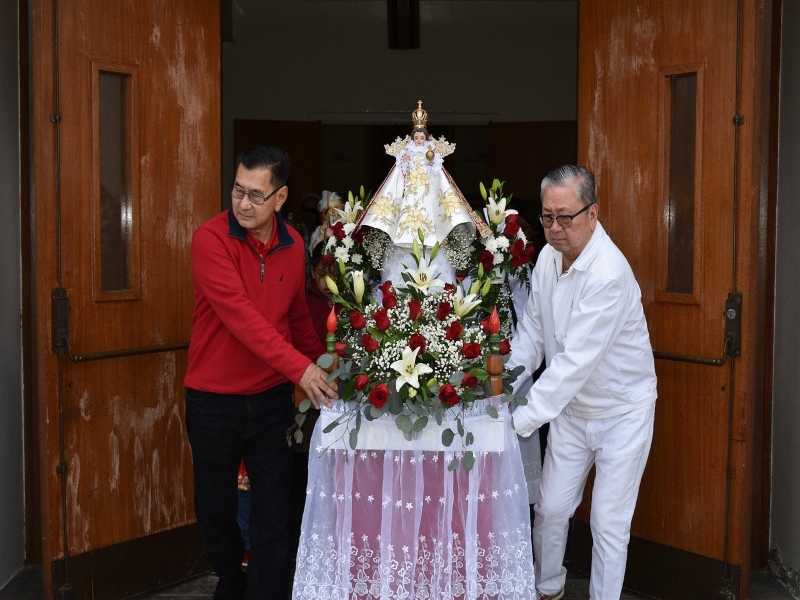
The introduction of Spanish conquerors in the Philippines in the 16th century marked the beginning of the Christianization of the Filipino people. In practically every aspect of Filipino culture, including visual arts, music, architecture, and dance, Christianity has a large impact. The Philippines is one of two Asia-Pacific countries with a majority of Roman Catholic (80.58 percent), the other being East Timor. In the present day, the country also has its own distinct Philippine church, the Aglipayan, which is made up of about 2% of the population. Other Christian churches are split into other Christian sects and cults.
Islam
Islamic religion reached the Philippines in the 13th century from Southeast Asian trading routes. Because the religious traders did not plan to occupy the islands, the spread of Islam generated a range of belief systems, particularly in the southern parts of the archipelago, where the sultanate system was adopted by the inhabitants without the necessity for forcible conversions. Muslims make up about 6% of the population, with the majority living in Mindanao’s Bangsamoro region.
Others
In the Philippines, Hinduism emerged between 200 and 300 AD, and Vajrayana Buddhism began around 900 AD. The majority of Hindus are of Indian descent, whereas Buddhists are of Chinese or Japanese descent, particularly those who immigrated to the Philippines in recent decades.
Arts
Architecture
The islands’ architecture reflects Spanish influence. The communities are dominated by Spanish brick churches built during the colonial period. The churches are huge and not built in the traditional style. It’s hard to comprehend how the indigenous people of the seventeenth century managed to construct them.
Many cities in the Philippines were built around a central square or plaza mayor as a result of Spanish architecture, but many of the buildings displaying its impact were destroyed during World War II.
The American takeover of the Philippines in 1898 brought with it a new generation of architectural constructions. As a result, government buildings, and Art Deco theaters were built.
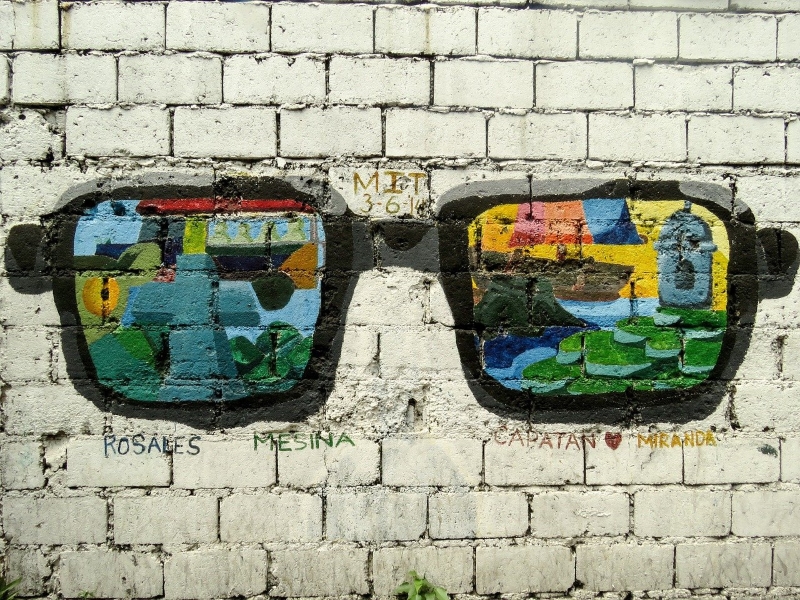
Nipa huts, which are built of bamboo and covered with palm leaves or corrugated metal, are common in rural areas. Nipa huts are traditional houses. The most popular building material is cinder blocks. Newer, larger residences designate a room as a “dirty kitchen”. Rain will run down the roof since it is sloped. Tiled roofs are common on middle-class homes and commercial buildings.
Traditional Clothing
As the Spanish culture impacted subsequent ages of Philippine history, fashion shifted radically when the Spaniards arrived and lived on the islands.
Barong tagalog was worn by men, and Baro’t saya for women. These two types of apparel define the newly developed Filipino culture.
Men wore suits in addition to Barong. The Patadyong skirt and kimona, worn by women, is a kind of baro’t saya clothing. The clothing is frequently paired by a tubao, a handkerchief that is also printed with the patadyong pattern and worn above the right shoulder. The Visayans transferred these practices to Mindanao, where they now dominate Christian lowland culture.
Dance
Because the Philippines has been under the Spanish rule for a long time, dance in the Philippines has a touch of Spanish cultures. Ballet, modern dance, and folk dance are all performed by professional dance companies. Folk dances with a strong Spanish style are performed at gatherings and conferences. Ballroom dancing is a popular recreational activity. Dance instructors are available to teach the waltz and cha-cha at events.
Music
Before European and American colonialism in the 16th and 20th centuries, the Philippines’ early music had a combination of Indigenous, Islamic, and Asian tones. Flute, guitar, ukulele, violin, trumpets, and drums were among the musical instruments used by Spanish settlers and Filipinos. To commemorate special events, they played songs and dances. Many folk songs and dances have lasted into the twenty-first century in the Philippines.
The music of the Philippines today is diverse. The majority of music genres, such as Filipino rock, Filipino hip hop, and other musical forms, are modern. Filipino folk music, is and example of traditional music. Also, in the Western classical music tradition, many Filipino musicians have reached fame.
Literature
Philippine literature is a broad and rich collection of writings that has changed over time. It all began with traditional Filipino folktales and mythology created before Spanish colonization. Philippine literature’s major themes are the country’s pre-Hispanic cultural traditions, as well as the colonial and modern traditions’ socio-political history. The literature of the Philippines, written in both Indigenous and Hispanic writing systems, depicts the Philippines’ prehistory and European colonial legacy. The majority of the Philippines’ traditional literatures were produced during the Spanish period and were passed down orally previous to Spanish colonization. Philippine literature is written in a variety of languages, including Spanish, English, and indigenous Philippine languages.
Folklore
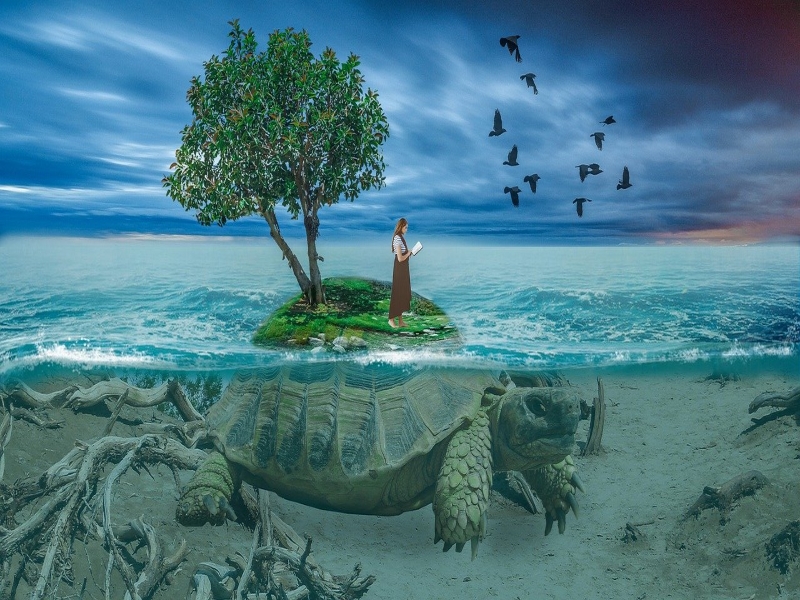
Philippine mythology are the country’s first literature, handed down down for generations through traditional and oral folk literature. There have also been written writings created to document the stories. The majority of these literary tales are chanted as part of a vibrant Philippine epic poetry. While each ethnic group has its own tales and legends to narrate, Hindu and Spanish influences may be found in many places. The majority of Philippine mythology is made up of creation myths or tales about supernatural beings like the aswang, manananggal, diwata/engkanto, tikbalang, manananggal, sirena and nature. Makiling, Lam-Ang, and the Sarimanok are three prominent figures from Philippine myths.
Filipino Traditional Games And Hobbies
Traditional Filipino games like piko, luksong baka, patintero, and tumbang preso are still popular and predominantly played among Filipino kids. One traditioal game, Sungka is a board game in which players aim to collect all of the little sea shells. When all of the little pits are empty, the winner is chosen by who has the most shells.
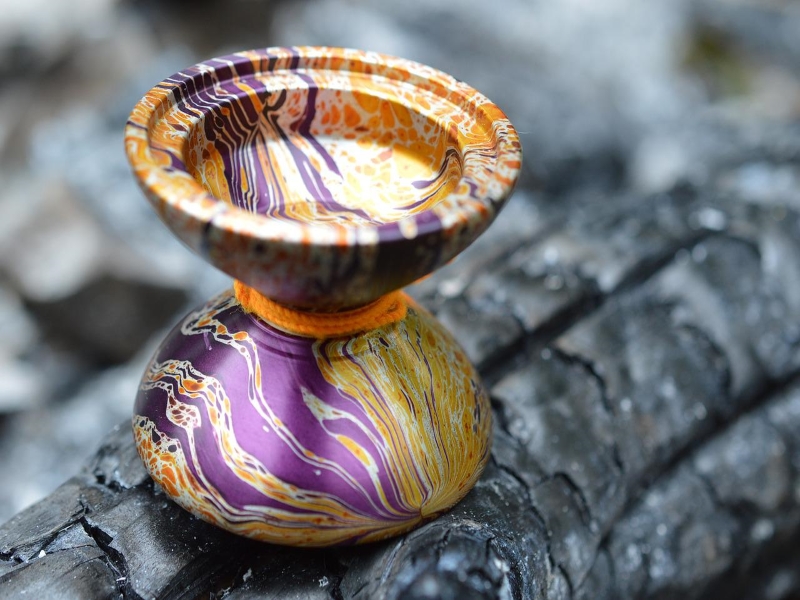
Luksong tinik is another traditional Filipino game in which players must jump over the tinik and pass to the other side unscathed. Yo-yo, patintero, piko, bahay kubo, and pusoy, are some more traditional Filipino games. A popular gambling game is Tong-its. Individuals play the game by attempting to eliminate all of the cards by strategically selecting poker hands. During celebrations, card games are popular, with some, such as pusoy and tong-its, being employed as a form of unlawful gambling. In some Filipino communities, mahjong is also played.
Sabong, or cockfighting, is a popular form of entertainment among Filipino men.