The Land of the Rising Sun isn’t known much about their desserts. However, don’t let this fool you. They have a hidden trove of desserts that will surely satisfy your taste buds and leave your tummy happy.
So, in this post, let us go through some of the popular Japanese desserts and get an overview of how they are prepared.
Best Japanese Desserts and Its Recipes
Anmitsu
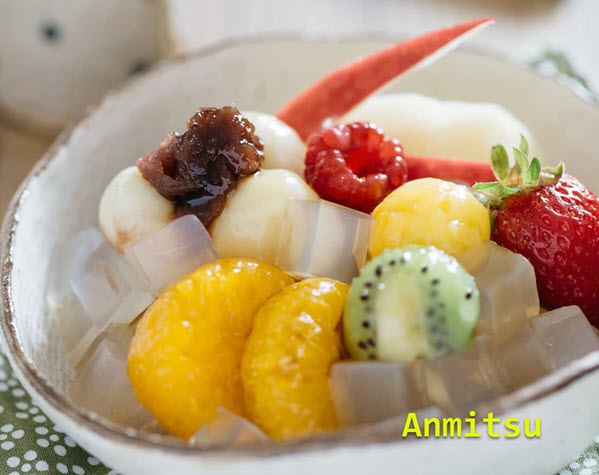
First on our list is none other than the mighty anmitsu. It’s a classic Japanese dessert that has made millions of Japanese happy throughout many generations. Once the warmer months of spring and summer come, expect anmitsu to become more and more common in restaurants and homes.
The main ingredients of anmitsu include kanten (vegan jelly, also known as agar in English), coarse sweet, sweet fruits, and bean paste. The bean paste is specifically called anko, where we got the “an” for anmitsu.
Aside from the main ingredients, you also need different types of fruits. There’s no rule as to which fruits you can add and which ones you can’t add. However, some of the most common fruits used in anmitsu include peaches, kiwis, oranges, strawberries, grapes, melon, and pineapple.
Parfait
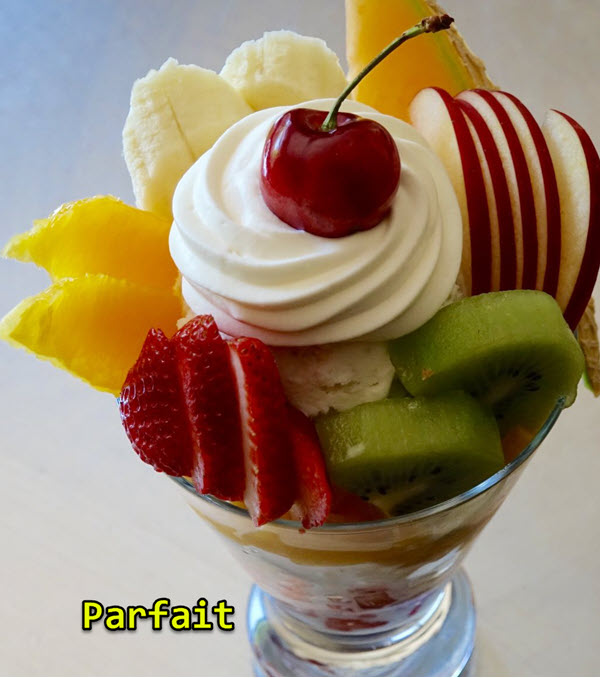
Parfait is a French dessert that has evolved into a common Japanese food. It is commonly served during any day of the hot days of summer. Parfait consists of fresh fruits and corn flakes. On top comes the whipped cream and ice cream. All these are added in a parfait glass where we derived its name.

Crepes
Just like the parfait, crepes are of French origin. While the French love their crepes to serve as gourmet, the Japanese love crepes as casual street food. You will commonly find crepes rolled in a cone shape and wrapped in paper. It’s a snack that you can easily buy anywhere in Japan.
Wagashi
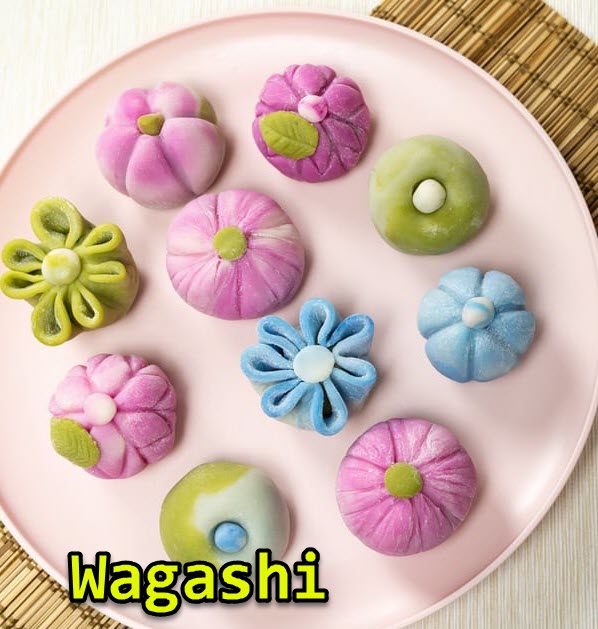
The look of this dessert makes it more appealing. It is made of plant-based ingredients that include adzuki beans and grains. Traditionally, wagashi is served with tea and there are three types to choose from: higashi, han namagashi, and namagashi. The difference among them is the level of freshness and dryness.
Every time cherry blossoms are in full blossom, wagashi takes the center stage of all desserts. Wagashi is shaped like cherry leaves and petals. Its color is also made pink.
To prepare wagashi, the azuki beans are boiled and are sweetened with mashed and sugar. Aside from azuki beans, wagashi is also made of kanten, rice flour, rice cakes, chestnuts, and sesame paste.
Dorayaki
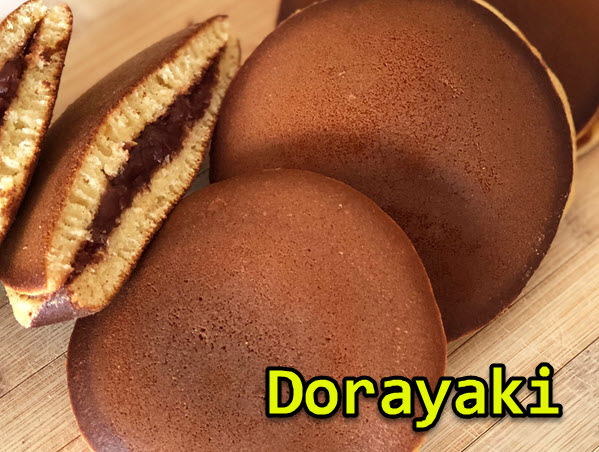
Dorayaki is perhaps the most popular trademark snack and dessert in Japan. It’s the same snack that Doraemon eats.
In the 16th century, some Portuguese brought castella to Japan. Castella is the pancake used in dorayaki dessert. Dorayaki refers to the anko paste or sweet red bean filling that is put between two castella pancakes. Today, Nutella is sometimes used as an alternative to anko paste.
The main process of making dorayaki involves preparing the filling. The pancake is also made separately. Once both basic ingredients are made available, you can then simply add them together and enjoy your dorayaki.

Fruits sando
Fruit sando is super easy to prepare. All you need would be two slices of sandwich bread. However, you need to remove the harder crust, leaving just the soft part. You can then add the whipped cream with various fruits such as banana, kiwi, mango, and strawberry.
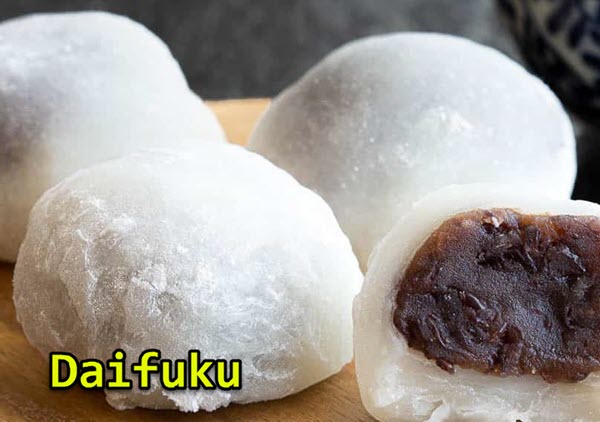
Daifuku
This one’s a unique dessert because it’s a combination of various foods. It is actually a wagashi dessert, but it is made of mochi balls plus anko paste. To keep them from sticking together, the daifuku is covered in potato or corn starch. They can be small but usually, they can be about the size of a palm.
There are different ways to prepare daifuku and it can come with different fillings such as coffee-flavored filling, creme caramel, apricot jam, strawberries, pureed chestnuts, and sweet cream.
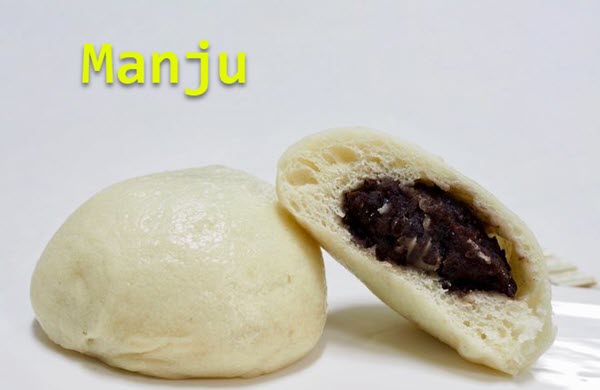
Manju
Manju is among the most popular confectionery products in Japan. It has different forms and shapes. However, it usually has two layers. The inner layer consists of creamy paste. The chewy outer layer is made of kneaded rice flour or wheat.
The most common ingredients would include wheat flour and anko or tsubuan, which is made of red bean paste. While Manju is most likely to have originated in China, today, it is more associated with Japanese culture.
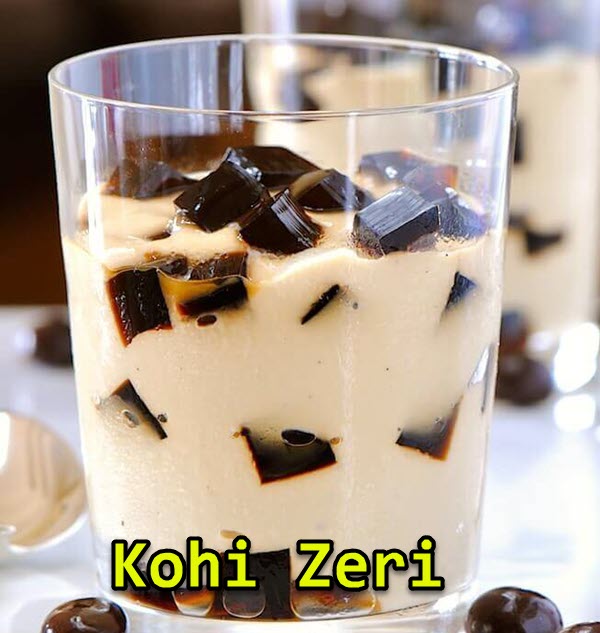
Kohi Zeri
Kohi zeri is translated as coffee jelly in English. As its name implies, it is a simple Japanese dessert made of jelly and black coffee, and sugar. Sometimes, espresso is used. Kohi Zeri is more popularly served during the summer months.
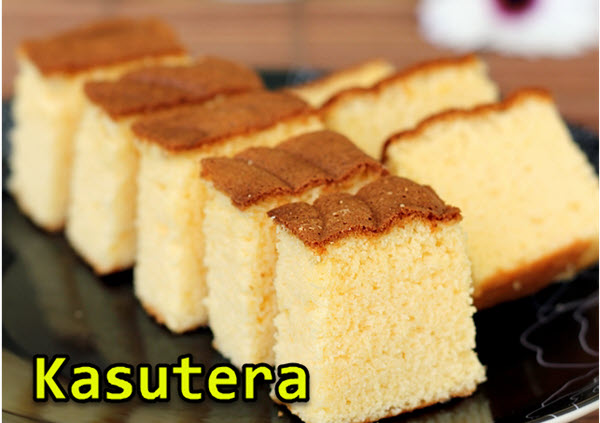
Kasutera
Kasutera is much similar to sponge cakes. It is made with flour, eggs, sugar, and starch syrup. The peculiar thing about kasutera is that it does not contain butter or oil, but is solely puffed up or raised by egg foam. Every bite comes with a moist, soft, and spongy texture.
A quick trivia: kasutera is also known as Castella. Yes, that’s right: kasutera is also used for preparing Dorayaki.
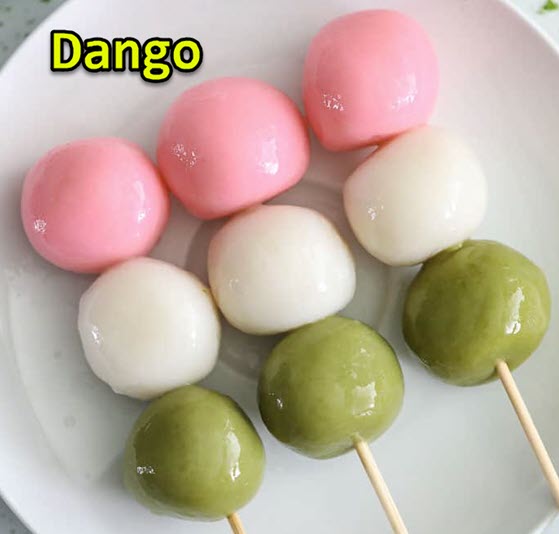
Dango
Dango is a type of wagashi, but this time, it is made from mochiko, which is made of rice flour. Dango is kind of unique from the desserts mentioned here. The reason is that dango is skewered on a bamboo stick.
Dango is served all year round and comes with different flavors such as kuri, anko, cha, denpun, teppanyaki, sasa, bocchan, hanami, kinako, and the most popular is the mitarashi dango. Japanese people love dango so much that it has become a popular emoji.
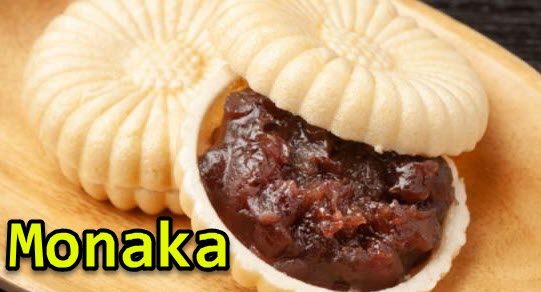
Monaka
Monaka is another type of wagashi Japanese sweets made of two wafers squeezed together. Between the wafers is the azuki bean jam filling. The wafers come with a neutral flavor. It’s made with a dry and crispy texture. They can be in various colors, sizes, and shapes.
While the common filling of monaka is azuki bean jam, you can also use other variations such as chestnut paste, cream cheese, whipped cream, and ice cream. Monaka is best served with tea. Try their best-tasting prosperity monaka, which is sweetened by brown sugar and shaped like golden coins.
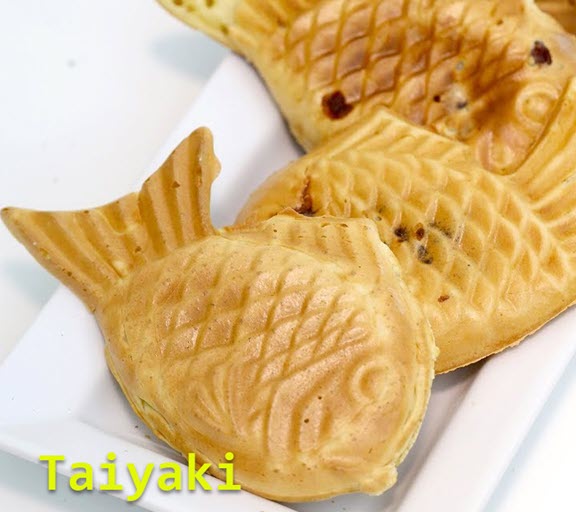
Taiyaki
The most peculiar trademark of taiyaki is its fish-shaped cake. Taiyaki is popularly sold in the streets and is shaped like a fish with the use of a taiyaki pan. The name taiyaki came from the shape of the tai fish or red seabream. Taiyaki is filled with red bean paste (azuki beans). Aside from red bean paste, the filling can also be made of custard, cheese, chocolate, and sweet potato.
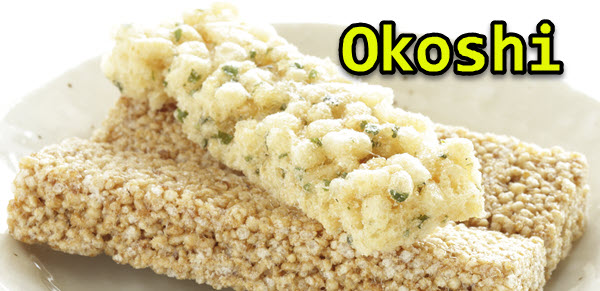
Okoshi
Okoshi, or properly known as kaminari-okoshi, is like the famous rice crispy treats. To prepare okoshi, you would need to roast and pop rice grains. To add more flavor, you would add a mix of butter or corn syrup in combination with sugar. This holds the sugar together and improves its texture. To create its square or rectangular shape, they are pressed in trays and left to dry.
Looking at the history of okoshi, it is believed to have been served in Buddhist temples in Tokyo during the Edo era. Traditionally, okoshi is made more exciting by adding peanuts. Today, aside from peanuts, other ingredients that can be used include sesame seeds, chocolate, dried fruits, caramel, green tea, and other types of nuts.
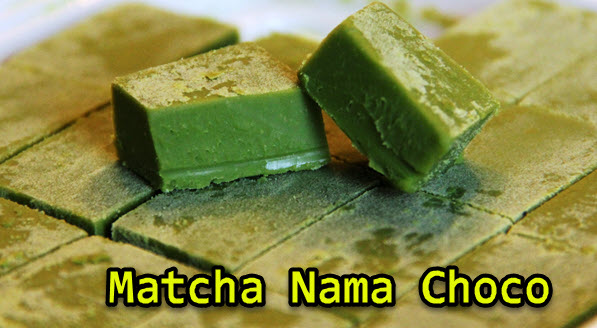
Matcha Nama Choco
With bittersweet and aromatic taste, nama chocolate chocho is a common gift during birthdays and parties. The main ingredients would include matcha powder, fresh Hokkaido cream, and white chocolate. Once nama choco is ready to serve, it gives a distinctive delicious green color.
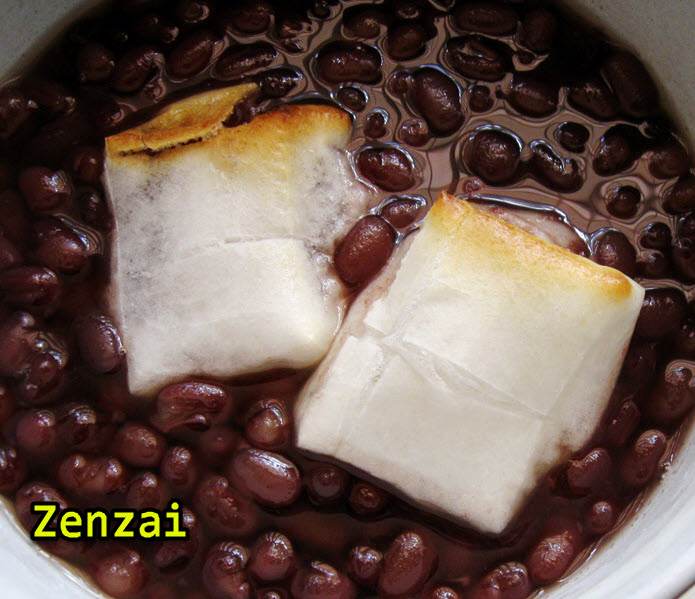
Zenzai
Zenzai is a unique dessert that combines sticky rice cake mochi with thick bean soup. The cooking process is simple. All you need is to boil dried red beans or dilute anko in water. To make zenzai more exciting, you can add orange zest while keeping it as earthy and sweet treat.
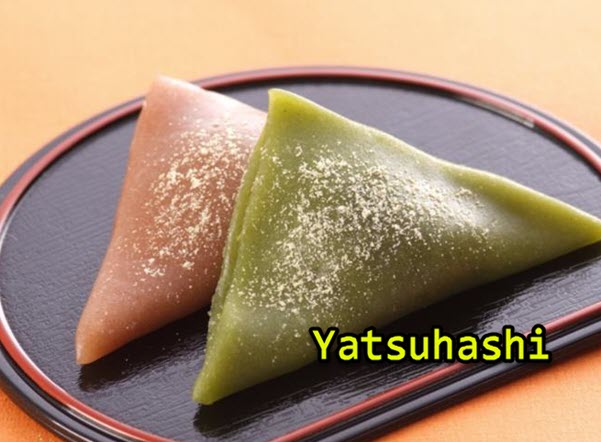
Yatsuhashi
Yatsuhashi is a specialty product and trademark of Kyoto. As Kyoto’s meibutsu, it adds a Japanese sweet twist to wagashi and shaped it like a koto musical instrument (Japanese harp). The reason is that Yatsuhashi is named after Kengyo Yatsuhashi who was best known for his amazing skills in creating koto music.
When you come to Kyoto, you’ll find Yatshuhashi as a common dessert sold as a souvenir snack or locally known as miyagegashi. The main ingredients of yatsuhashi are glutinous rice flour, cinnamon, and sugar. It can be baked or unbaked. Each variety gives a different texture, shape, and consistency.
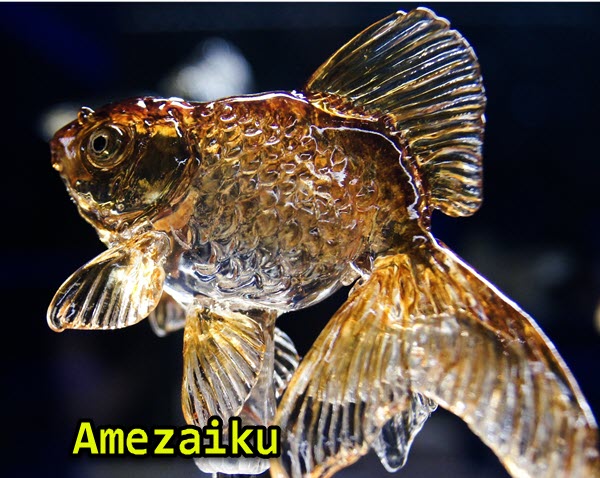
Amezaiku
When you see an amezaiku, you might hesitate to eat it not because of its taste, but how it looks. Amezaiku is actually a type of candy craft artistry. The candy looks so realistic and beautiful that you might regret eating it. The candy seems to be a great addition to a museum rather than to your tummy.
However, that’s what amezaiku really is for. You enjoy looking at it and eventually eat it. An artist would use various tools such as scissors and tweezers to create amezaiku. This candy craft, as one of the best traditional Japanese desserts, has undergone a lot of changes. In the past, most amezaiku would include insects and fish. Today, it includes almost anything, from animals to objects.
Amezaiku is prepared using starch syrup. It takes skills to create the syrup because you need the right consistency. Moreover, the syrup is formed and sculpted while it is hot. So, an artist must also be strong enough to endure the heat.
Anpan
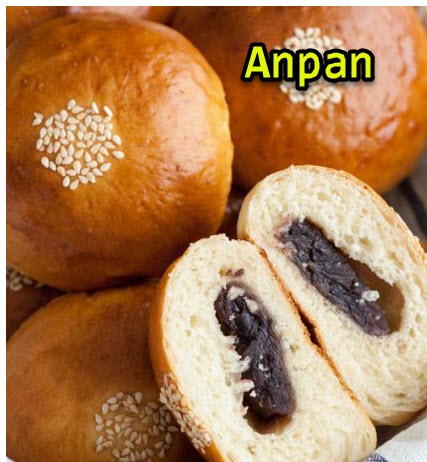
Anpan is a popular sweet roll in Japan. Though it is commonly filled with sweet red bean paste, other fillings can be used such as green beans, white beans, chestnut, and sesame.
Anpan has an interesting history. It was first made by Yasubei Kimura. He was a samurai who lost his job during the Meiji period. In the aim to look for a source of income, he turned to baking as his job. Through a series of events, anpan became popular and now, it is a common dessert across Japan.
Chinsuko
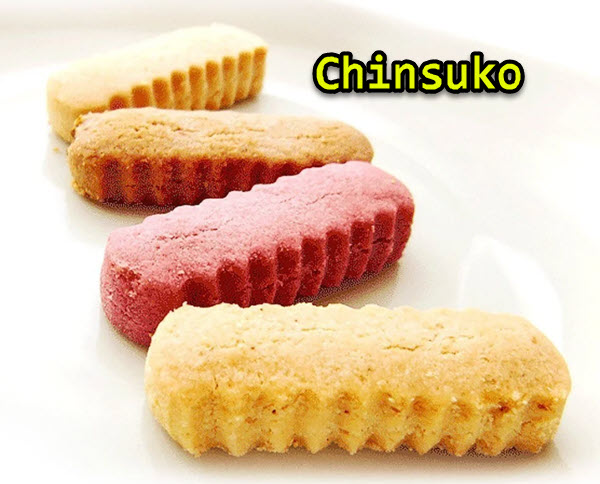
One of the things Okinawa is popular for is their local dessert chinsuko. Though this dessert has been in existence since the Ryukyu Kingdom, its novelty is still fresh up to this day.
Chinsuko is mainly made of flour, sugar, and lard. It’s a biscuit or confectionery that is popularly sold as a souvenir just like yatsuhashi.
Choose your best Japanese desserts
These are just some of the most popular desserts you’ll find in Japan. As you can see, there are a lot of desserts to explore. Feel free to search for the specific recipe for these desserts and enjoy the Japanese culture anytime, anywhere.