Thai Cuisine uses different veggies for their local dishes. Vegetables used in Thai dishes can either be cooked as a fried and stir fry. There are a lot of Thai vegetable recipes to that you can try with Thai vegetables. In today’s guide, let us talk about some of the most common Thai vegetables that are usually added and eaten in Local Dishes in Thailand. Also included is a popular recipe on how to make Thai vegetable stir fry dish.
Common Thai Vegetables
Listed below are some of the most common Thai Vegetables that are used in Authentic Thai Dishes.
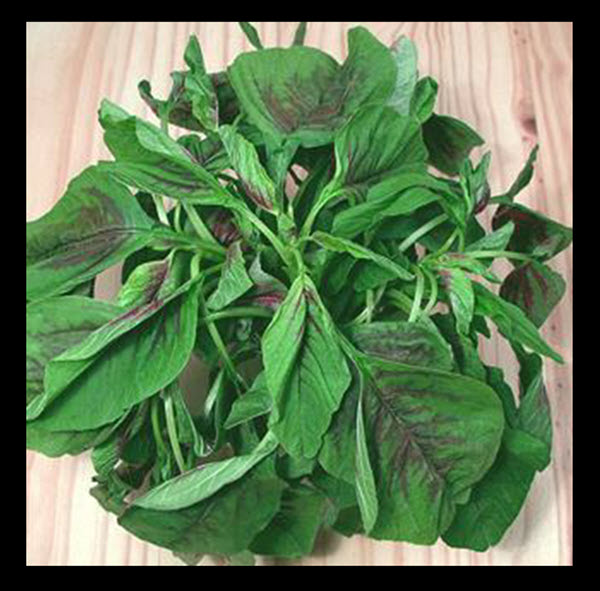
Amaranth (Phak Khom)
A common Thai Vegetables used in Thai Salad and soup such as Tom Chap Chai (Thai Vegetable Stew) and Tom Kha Gai (Thai Chicken Coconut Soup).
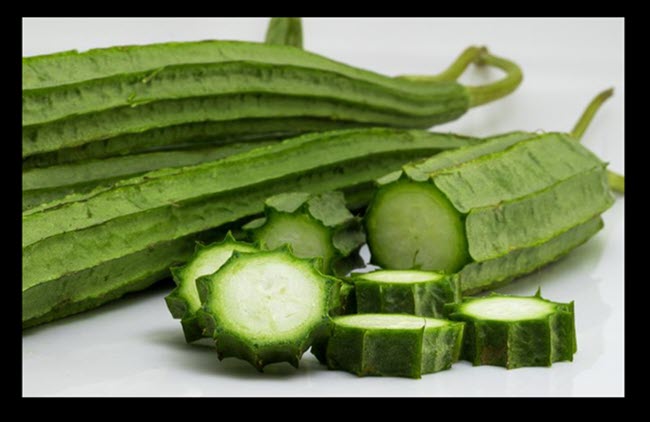
Angled Luffa (Buap Liam)
Angled Luffa is also known in other names such as Ridged Luffa, Vegetable Gourd, Sin qua and Silk Squash. It is commonly used in Thai vegetable stir fry dishes and in Kaeng soup. If you look closely to the vegetable, it look similar to that of a cucumber but with ridges.
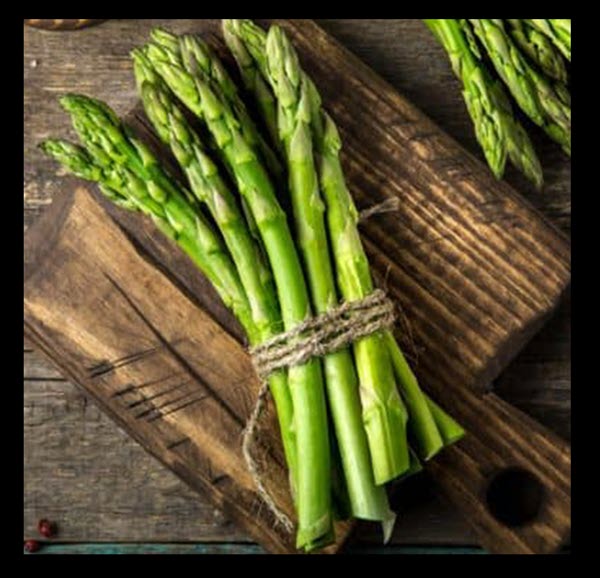
Asparagus (No Mai Farang)
Asparagus or European Bamboo Shoots are commonly used in Thai vegetable stir fry dishes. It can either be added as shredded, or raw asparagus.
Asparagus grows well in Thailand and is favorable with temperatures that ranges between 25 to 30 degrees Celsius.
Aside from Asparagus is an affordable vegetable, it is readily available in all grocery stores. When buying asparagus, make sure to choose the ones with firm stem and tips are closed.
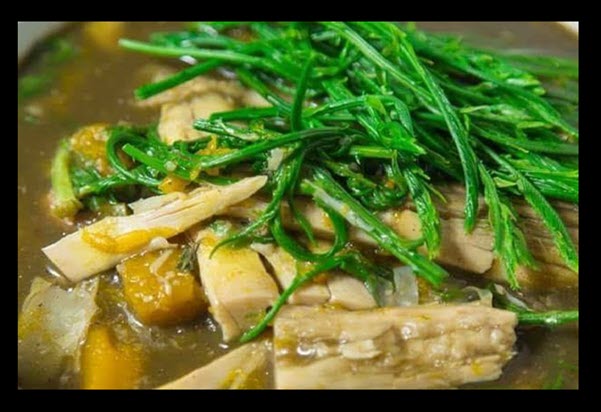
Bamboo Shoots (No Mai)
Bamboo shoots are vegetables used in Thai Stir fried dishes as well as in Thai Curries. Bamboo shoots in Thailand are usually available during the rainy season between the months of May to October.
When using Bamboo shoots for Thai dishes, the big bamboo shoots are used mostly for the main course and are usually sliced while the little sized bamboo shoots which is about half an inch and then added to Thai dishes.
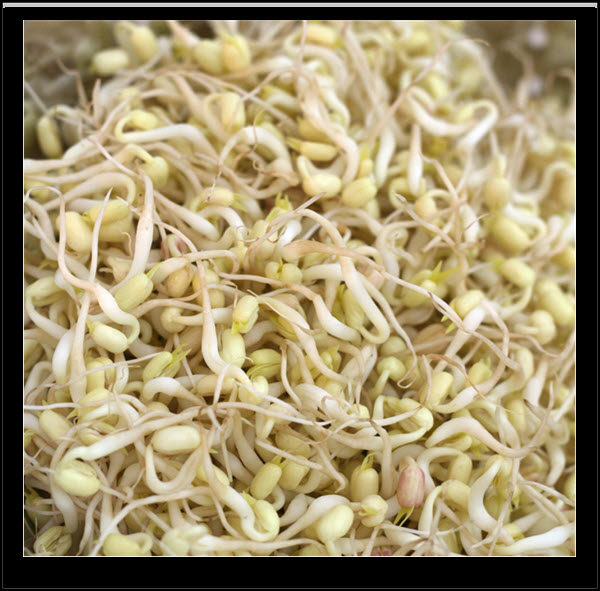
Bean Sprouts (Thua Ngok)
In Thai Cuisine, Bean Sprouts is a vegetable used in Thai vegetable stir fried dishes and Thai soups. Most of the time, Mung Bean Sprouts are used in Thai food.
Thai’s usually eat bean sprouts either raw, for example with Pad Thai dish wherein it is topped with bean sprouts either raw or semi raw (it can also be added to the pan to stir the vegetable before serving it).
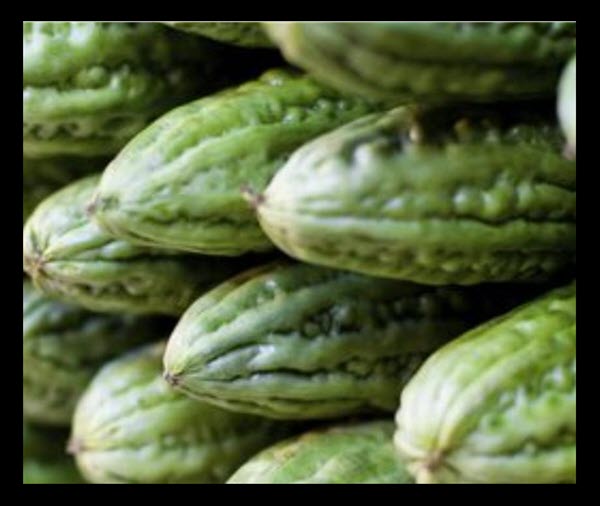
Bitter Melon
Bitter Melon is a vegetable that usually comes in different sizes and shapes but the ones commonly used in Thai local dishes are the ones that is about 20 to 30 cm long and are oblong-shaped.
Tom Chuet is a traditional Vegetable soup dish in Thailand that uses bitter melon as one of its ingredients. It is a bitter gourd immersed in clear broth soup combined with meat such as minced pork.
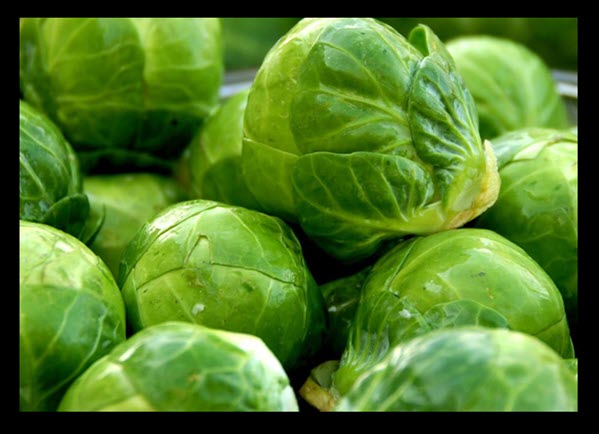
Cabbage Sprouts (Khaneang Kalam Pli)
When Cabbage are harvested, the roots that usually comes up from its roots are called Cabbage Sprouts. In Thailand, the work Khaneang simply means ‘Sprouts’ while Khaneang Kalam Pli means “Cabbage Sprouts”.
Cabbage Sprouts can either be eaten raw or cooked. The taste is similar to that of Brussel Sprouts.
Cabbage Sprouts are usually cooked and eaten as stir fried or mixed with meat such as pork.
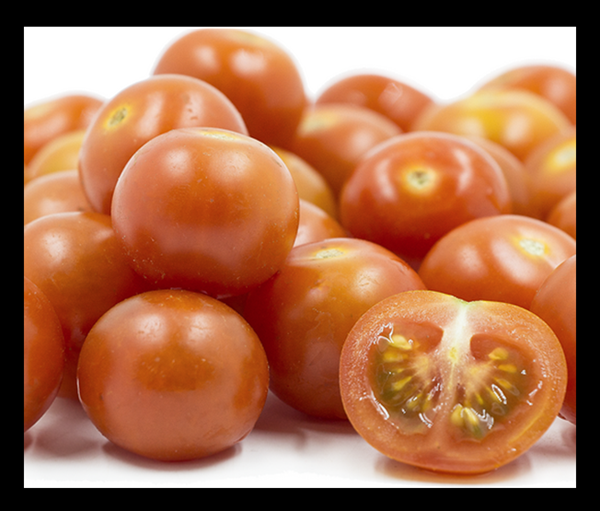
Cherry Tomatoes (Makhuea Thet)
Makhuea Thet is a vegetable used in different Thai dishes. It is used in Thai salad dishes such as Som Tam and are also used as a stir fried ingredient in Thai Fried rice. Aside from that, Cherry Tomatoes are also used to make Thai sauce called Nam Phrik Ong, a thick chili paste.
Thai Cherry Tomatoes are different from tomatoes in other countries such as in the United States wherein Thai Cherry tomatoes are sour (sometimes referred to as Makhua som which means Sour Tomato) and most of the time not riped when used.
You can use Thai cherry tomatoes as an alternative to regular tomatoes in other recipes though the taste would be slightly different, but otherwise the same delicious flavor.
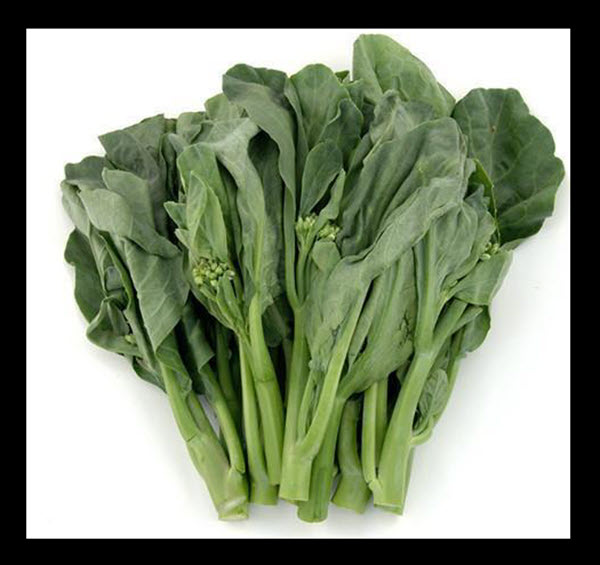
Chinese Broccoli (Phak Khana)
Phak Khana is a Thai vegetable that is also known as Chinese Broccoli. It is usually used as an ingredient to Thai noodle dishes and soup, or as a side dish in main course of meat dishes in Thai cuisines and also used with Thai vegetarian dishes.
In Thailand, Phak Khana is usually eaten as stir-fried vegetable and is usually accompanied with oyster sauce
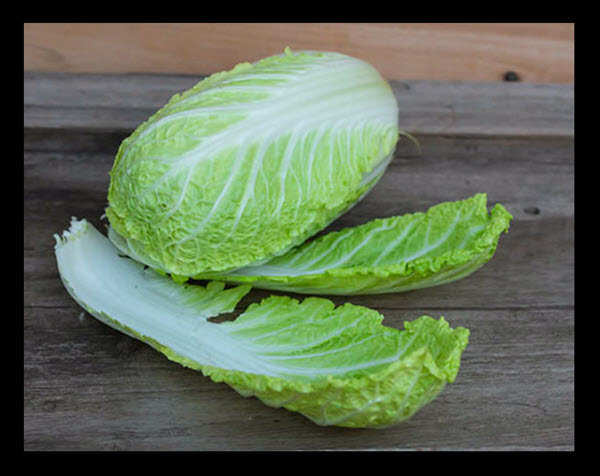
Chinese Cabbage (Phak Kat Khao)
Another common Thai Vegetable used in local dishes is the Phak Kat Khao or also known as Chinese Cabbage. It is usually eaten in Thai soups and as stir fried dish though it can also be eaten raw.
Chinese cabbage are thinly sliced when added to noodle soups or eaten raw with Nam Phrik, a delicious sauce that is made with chili and shrimp. It is popularly used in Thai cuisine as a dipping sauce.
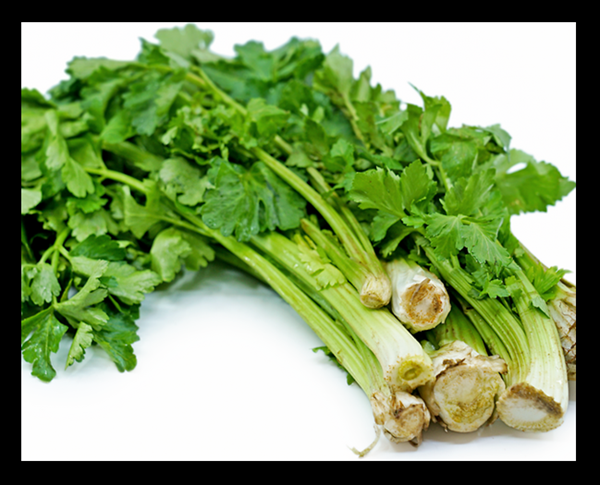
Chinese Celery (Phak Chi Lom)
In Thailand, Chinese celery is called Phak Chi Lom. It is eaten and added to Thai soup dishes, Thai curries and eaten as Stir-fried and used to garnish to Thai food. The celery in Thailand is smaller, more thinner and more leafy as compared to other celery.
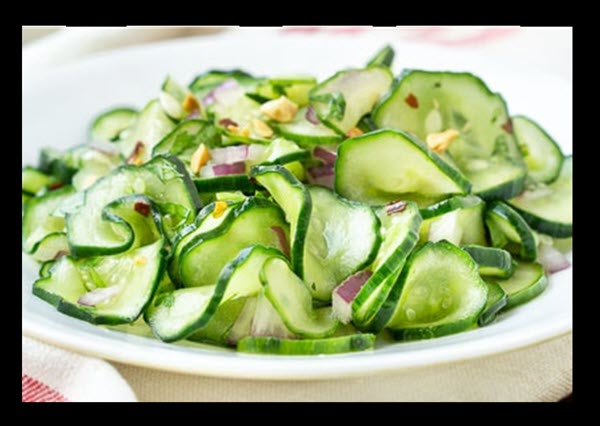
Cucumber (Taengkwa)
In Thailand, cucumber are added to Thai salad also known as Thai Cucumber Salad. It is usually eaten raw with Nam Phrik, a paste or sauce made using chili or shrimp or as an ingredient to Som Tam Dish (Green papaya Salad)
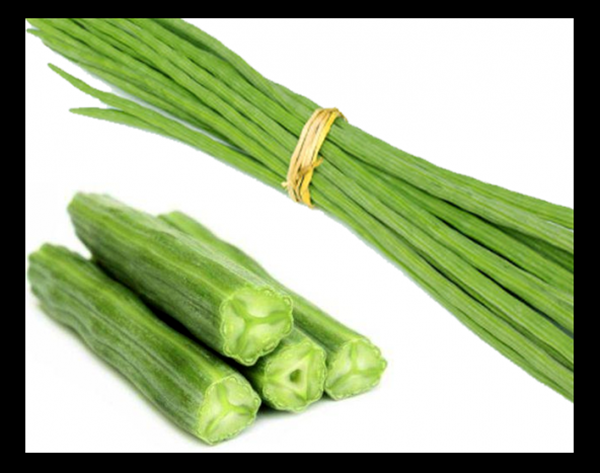
Drumstick (Marum)
Marum is a Thai vegetable that is commonly used as an ingredient to Thai curries, soups, stir fried, salads and omelet dish. It appears to have be long and slender.
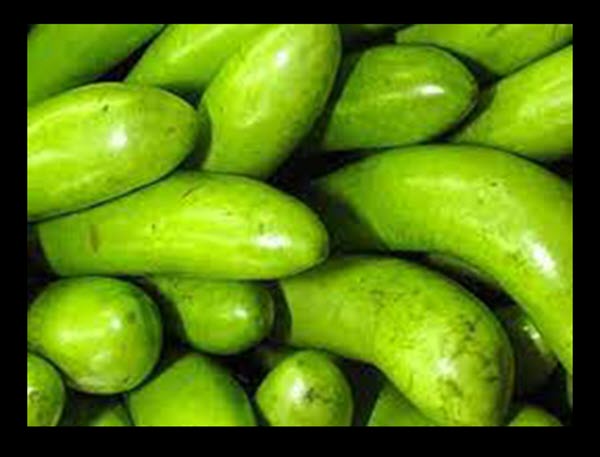
Long Green Eggplant (Mukua Yao)
Long Green Eggplants in Thailand are also called Mukua Yao. Another vegetable in Thailand that is commonly used in stir fried dishes. Other than that, it is usually used as an ingredient to Thai soup dishes as well.
If long green eggplant is not available, you can use other eggplant variety as an alternative.
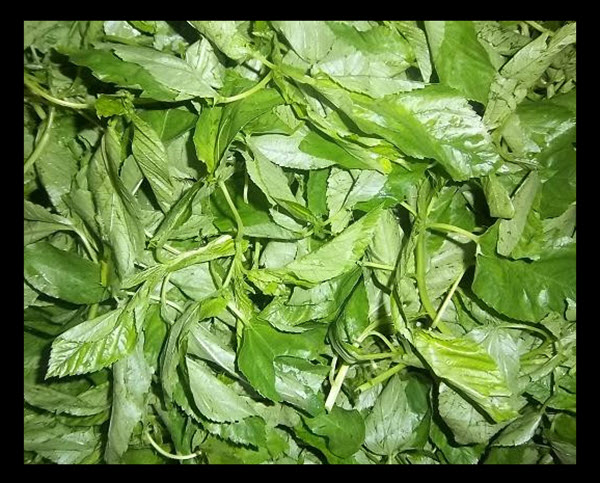
Mallow Leaves (Bai Po)
Mallow Leaves or also called Bai Po or Jute is a famous Thai leafy vegetable. Mallow leaves are usually used to add to rice congee or Khao Tom Kui. The taste is similar to that of a spinach.

Marsilea Crenata (Phak Waen)
In Thailand, Marsilea Crenata is also called Phak Waen. It appears to look like a four clover leaf. It is usually found floating in deep waters or sometimes on land.
Marsilea Crenata are commonly used in Isan Cuisine and is usually eaten raw together with chili paste or chili sauce called Nam Phrik.
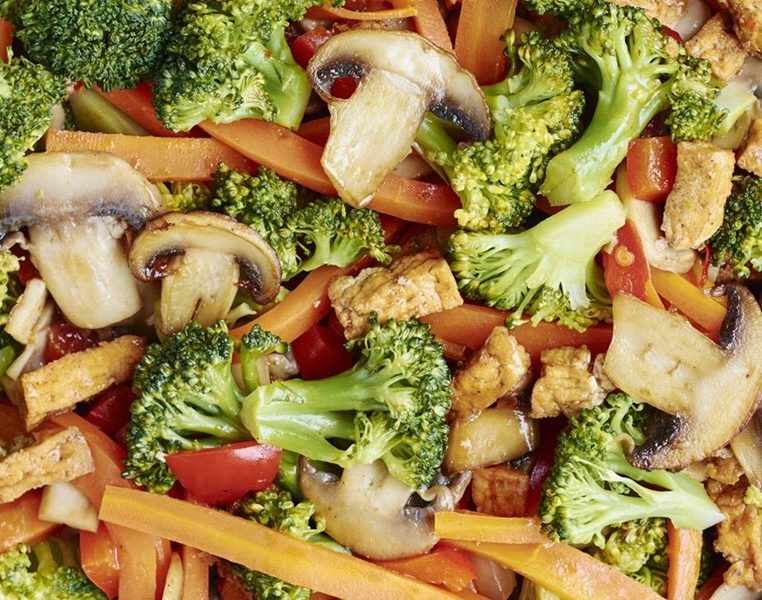
Thai Vegetable Stir Fry Recipe
Since most of the vegetables mentioned are used in Stir fried dishes in Thailand. You can use Tamari as an alternative to soy sauce for the dish to be gluten free.
Ingredients:
- Cabbage
- Carrots
- Broccoli
- Mushrooms
- Garlic
Ingredients for stir fry sauce (vegan)
Directions:
- In a wok, pour a small amount of vegetable oil then add garlic once oil is hot enough.
- Add mushrooms and stir fry over high heat. Wait until water is released.
- Add carrots and broccoli. Stir fry for another 2-3 minutes
Add in soy sauces, Worcestershire sauce and sugar. Then next, add water.- Continue to stir fry to mix all the ingredients. Allow sauce to boil.
- Add Cabbage, continue to stir.
- Garnished with coriander leaves or fresh red chilies, then serve.
FAQs
With Thai stir fry, you can use different types of vegetables such as the common vegetables mentioned above or baby corn, sugar snap peas or cauliflowers.
Yes, you can froze stir fry. But if from the start you are already planning to place stir fry in the fridge or freezer, you may not need to add chestnut mushrooms as it tends to be leathery when it is frozen or placed in the fridge.
If are using non-stick wok, oil is not needed when making stir fried vegetables. Though if the garlic starts to burn, you can simply add small amount of water to prevent the garlic from overcooking and burning.