In Asia, coconut milk is a common culinary ingredient. It is commonly used in any Asian kitchen. Its taste is bold and goes well with everything from soups and stews to curries and absolutely delicious baked goods.
Do you love coconut milk? In this article, we’ll show you how to make coconut milk. If you are interested in homemade coconut milk, scroll down and continue reading.
Make Coconut Milk
What Is Coconut Milk?
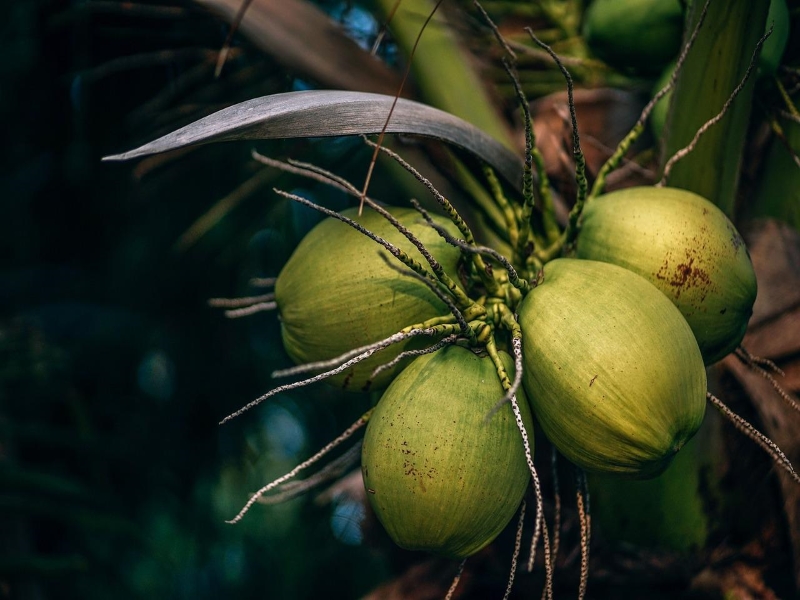
Coconut milk is a milky-white, opaque liquid produced from the grated pulp of ripe coconuts. Coconut milk’s opacity and rich flavor are because of its high oil content, the majority of which is saturated fat. Coconut milk is a traditional Southeast Asian, South Asian, Oceanian, and East African cuisine component. Coconuts were imported during the colonial era and are used for cooking throughout the Caribbean, tropical Latin America, and West Africa.
Coconut milk is divided into subtypes based on the amount of fat it contains. They may be divided into three categories.
- Coconut cream or thick coconut milk with the most fat.
- Coconut milk or thin coconut milk with roughly 20% fat
- Coconut skim milk with no fat.
Coconut milk is an excellent substitute for regular milk as well (differentiated as “coconut milk beverages”). These are not the same as regular coconut milk, which is intended for cooking rather than drinking. Cream of coconut is a sweetened and processed coconut milk product from Puerto Rico. It is mostly included in several sweets and drinks, such as the piña colada, although it is not to be mistaken with coconut cream.
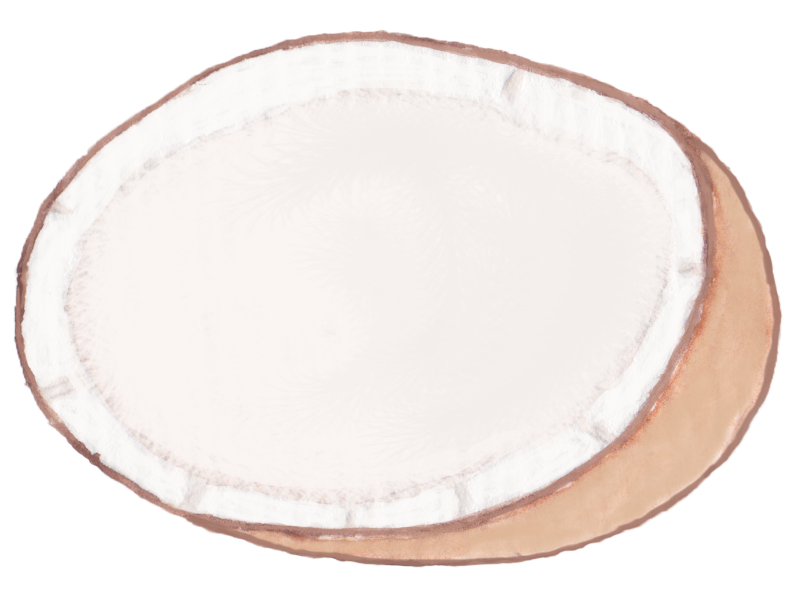
Coconut Milk Recipe
Ingredients
- 2 cups unsweetened shredded coconut (preferably dried shredded coconut)
- 4 cups water (boiling water or warm water)
Equipment
- Nut milk bag
- High powered blender or food processor
- Mason jars
- Medium bowl
Instructions In Making Coconut Milk
Blend the desiccated coconut and boiling water. In a blender or food processor, put the shredded coconut. It may appear like there is a lot of coconut, but it is just actually enough. Add the water over the shredded coconut.
Allow time for the mixture to rest. Allow the coconut meat and hot water to remain in the blender for a few minutes to soften the coconut before proceeding to the next step.
Set the blender to high speed and blend for 1 to 2 minutes, or until the coconut is puréed and the mixture appears milky. You will notice that there will still be coconut flakes in the finished product.
Extract the coconut milk by squeezing it. Close the nut milk bag tightly. Squeeze the bag between your palms and over the bowl. The completed milk should slide through the bag with ease. Continue to squeeze and wring out your bag until all of the milk has been collected. The leftover pulp in the nut bag may be discarded or composted. If you have a dehydrator, the leftover coconut pulp can be dried, and used as coconut flour.
Place the coconut milk in an airtight container, such as big mason jars, swing top jars, or other airtight container. This coconut milk is ready to to use, or you may store it in the fridge for 4-7 days in an airtight jar and shake before using.
Coconut Milk Recipe Tips
Coconut butter, shredded coconut, and coconut cream may all be made in a food processor. Fresh coconuts should not be processed in a food processor. Fresh coconuts are traditionally used to make coconut milk, but shredded coconut is more efficient, and the method is also cleaner and easier.
The most easiest, cleanest, and fastest method to prepare coconut milk is using a nut milk bag, but if you don’t have one, you have the option to use a napkin, cheesecloth, or even a fine mesh strainer.
There is no need to strain the coconut cream.
Refrigerate for up to four days in a sealed container, or freeze for up to three months. It’s common for your coconut milk to separate after being refrigerated (or thawed after being frozen). Simply give it a good shake and it should be great to use. Homemade coconut milk can be substituted for regular coconut milk.
For best results, it is recommended to use a high speed blender.
Depending on your preference or the purpose of your coconut milk, you have the option to add more or less water or shredded coconut.
Use 4 cups water and the same amount of shredded dried coconut if you want a richer, creamier milk. However, use 1 cup of shredded coconut and the same quantity of water if you want a thinner texture.
If you want your coconut milk to be sweeter, you have the option to add any sweetener after producing the coconut milk. If using dates, mix the milk and dates until smooth in a high-powered blender. If you’re using different sweeteners, blend them thoroughly or shake the bottle or container so they’re evenly distributed. You also have the option to add vanilla extract.
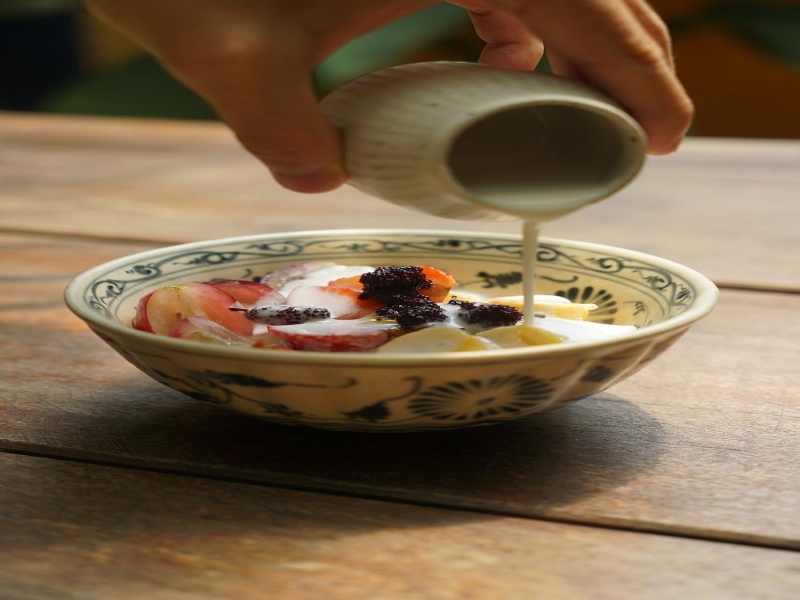
Coconut milk may be used in a variety of ways, even in simple recipes. Its applications, on the other hand, are numerous and varied. It may be used to flavor curries and other Asian dishes, as well as rice. It can be used in replacement of milk in baking or added to smoothies to make it richer and thicker. The options are limitless.

Types Of Processed Coconut Milk Products
To extract coconut milk from pulp, commercially processed coconut milk products use roughly the same procedures, except they utilize additional mechanical equipment such as deshelling machines, grinders and pulverizers, motorized coconut shredders, and coconut milk extractors.
Suppliers of canned coconut milk often use diluted and comminuted milk along with water as a filler. A richer, more paste-like composition floats to the top of the can depending on the manufacturer and age of the milk itself, and is occasionally separated and used in recipes that call for coconut cream instead of coconut milk. To prevent the coconut milk from separating within the can, certain brands marketed in Western nations are homogenized and thickened with added thickening agents and emulsifiers.
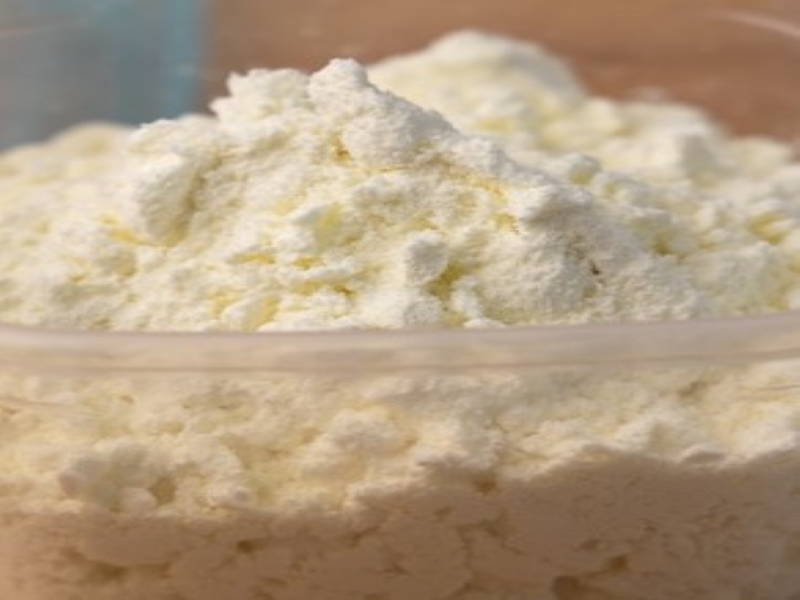
Coconut Milk Powder
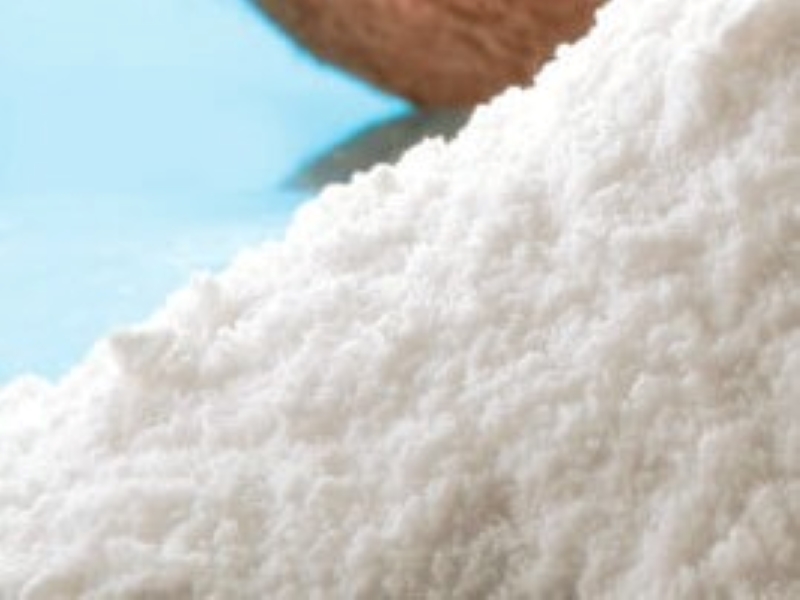
Dehydrating coconut cream produces coconut milk powder, which has a much longer shelf life. They’re produced by mixing maltodextrin and casein into coconut cream to make it more fluid, then spray drying it. Moisture-resistant containers hold the powder. To use this kind of coconut milk product, just mix the coconut milk powder with water.
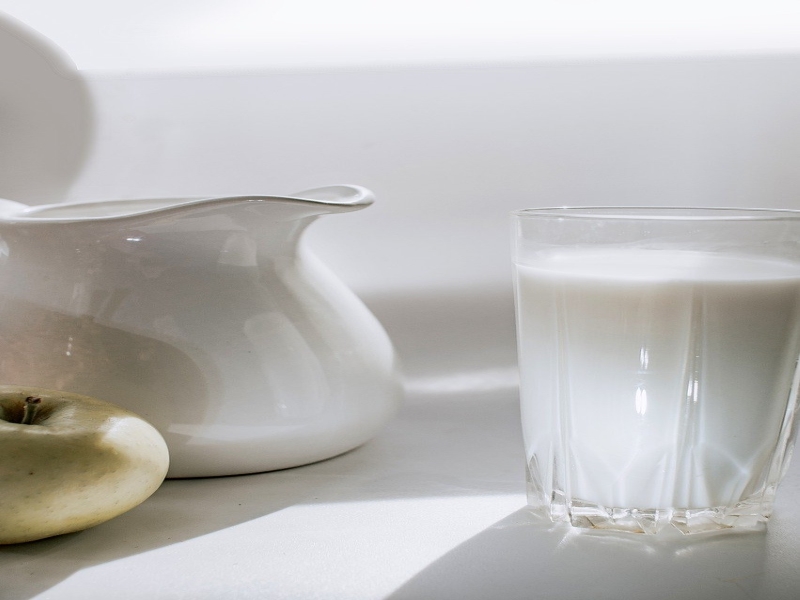
Coconut Skim Milk
Coconut skim milk is a type of coconut milk that contains very little fat, 0 percent to 1.5 percent. It is frequently discarded as a byproduct in the manufacture of coconut cream and coconut oil. They are, however, becoming more popular as a culinary component in applications that need coconut flavor.
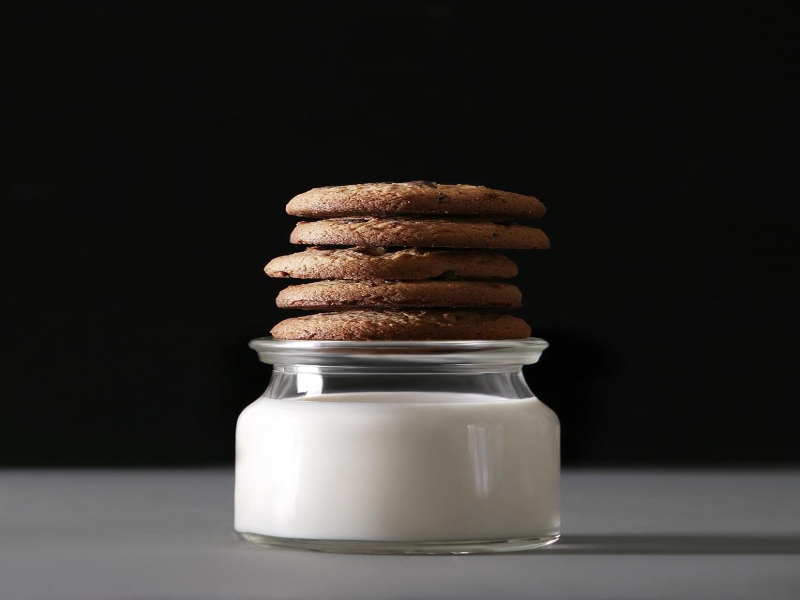
Milk Replacements
Processed coconut milk that are labeled as “coconut milk beverage,” can be used as a milk beverage replacement. They’re also occasionally referred to as “coconut milk”, despite the fact that they’re not the same thing as coconut milk for cooking. The coconut milk here is diluted with water or coconut skim milk with additives. They are basically lower in fat and calories than milk, but have minimal protein. They are however, rich in potassium and fiber, and they’re also high in iron. They are frequently supplemented with calcium and vitamin D.
Filled Milk
Coconut milk is also popularly utilized in the production of filled milk products. It’s mixed with milk, typically powdered or skim milk, because it contains vegetable oils and proteins that work as butterfat replacements in some processed milk products. Low-fat filled milk, evaporated reconstituted milk, and sweetened condensed milk are among them.
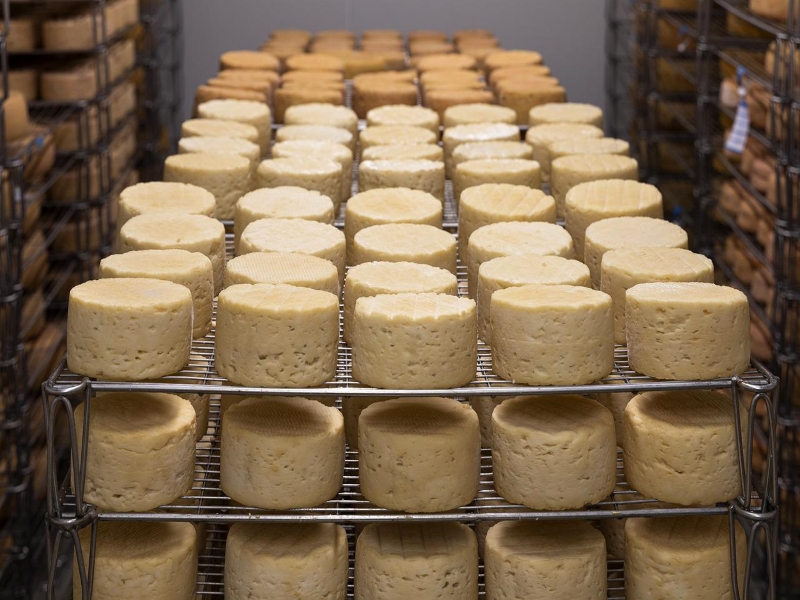
Production Of Custard And Cheese
Coconut milk may also be used to make cheese and custard, replacing up to 50% of the milk without affecting the overall quality of the result. One method involves combining skim milk and coconut milk to create cheeses, such as queso de ajo, a garlic-spiced soft cheese, a Gouda cheese alternative, and a Roquefort cheese substitute.
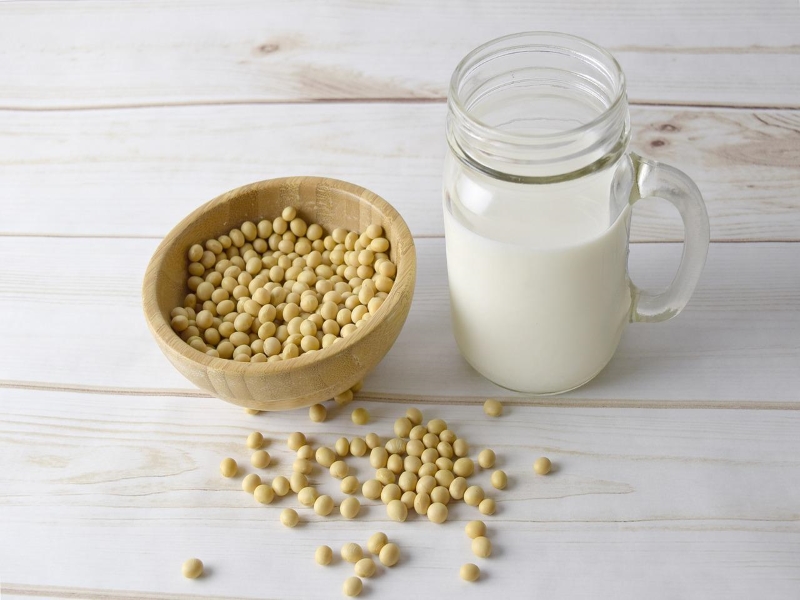
Enrichment Of Soy Milk
Coconut milk may also be used to enhance the fat content of soy milk, making it more like genuine milk in texture and flavor. To increase the caloric density of tofu without altering its palatability, coconut cream can be added to soy milk during the manufacturing process.
Cream Of Coconut
Cream of coconut is a viscous, sweetened coconut milk product that is similar to condensed milk. It was created by the Puerto Rican business, Coco López and is popularly used in the United States, particularly in piña coladas. It may also be used in a variety of alcoholic cocktails and desserts. It is not to be mistaken with or used in place of coconut cream.
Methods To Make Homemade Coconut Milk
Dessicated Coconut/Shredded Coconut
As mentioned above, it is advised to use a high powered blender.
Fresh Coconut Method
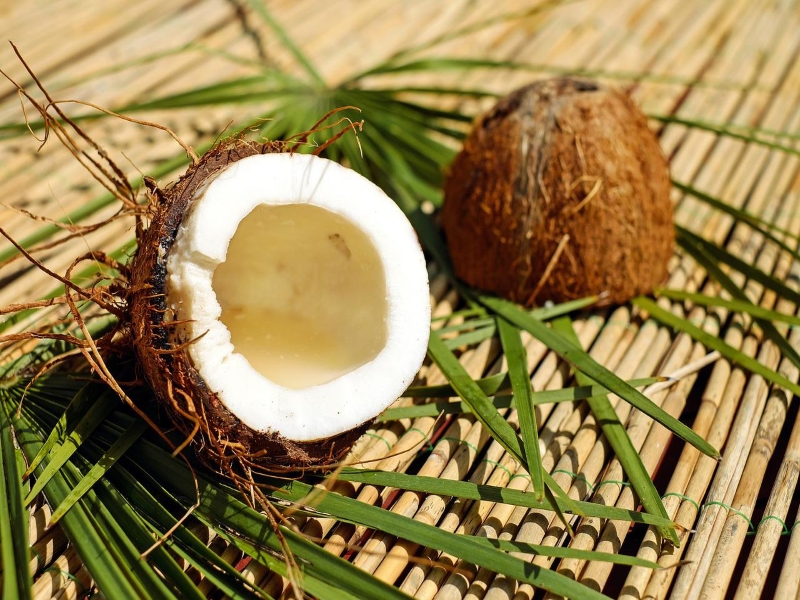
To create coconut milk from fresh coconuts, first crack open it, get the coconut meat, then mix it with water. It is better to choose a a brown, fuzzy coconut rather than a young coconut for this recipe. Coconut water is sweet and pleasant in young coconuts, but there is no or little coconut flesh. Keep in mind that the coconut meat is utilized to produce coconut milk in this method.
Coconut Butter
The silkiest and most flavorful coconut milk recipe uses coconut butter. Coconut butter and water are all you need to make coconut milk.
Canned Coconut Cream
This alternative may be done in a blender or food processor, and it does not require straining through a nut milk bag. It only has to be diluted with water. 1 coconut cream can, diluted with 2 cups water is all you need to do.