A Brief Introduction to Chinese Culture (Chinese Government View) People' Daily View
China is wonderous and awe-inspiring. It has a history of five thousand years. It is the only continuous
ancient civilization. Other ancient civilizations have changed, discontinued, withered or perished. Why
is it so enduring? Why is it so coherent, often sticking to itself, remaining undivided? Why is it so dynamic,
always able to revive, regenerate and revitalise itself? Why is it an immortal phoenix able to rise again on its
ashes? These are enduring questions. Nobody can give a complete answer, full stop. They will stimulate
intellect, provoke interest, engage investigation.
It is mysterious, even inscrutible. What is Tao and Taoism? What is non-action, non-exertion,
non-government in Taoism? What is the Yin-Yang theory? What is the Five-Elements theory? How can a little
steel needle relieve pain and cure illnesses? Is Qigong the Chinese Yoga? What is Yi Jing, the Book of
changes about? Is it a book of philosophy? A book of divination? A book of science? What is Shan Hai Jing, the
Blook of Mountains and Seas about? Is it a giographical book? A travelogue? A history book? A book of
mythology? A book of folklore? These are but a few citations of the mysteries and riddles of Chinese culture,
the tip of an iceberg.
Chinese culture is rich and profound. It has the richest historical records. Chinese have been most
historically-minded. Perhaps, China has more historical records than the whole world put together. This
guess will not be far from truth. She has a great deal of historical records from the pre-Christian era, not to
mention the matchless twenty-six history books of the imperial dynasties. She is not the home of Buddhism,
but she boasts of the richest Buddhist scriptures.
Another area of the profundity of Chinese culture is her pre-industrial revolution science and technology.
Before this revolution, China had been the pace-setter not only in history and literature, but also in science
and technology. Unfortunately, this area had been all along neglected by the world, including China herself.
Fortunately, this has been discovered and proved by the world-famous British scholar Joseph Needham.
Thanks to his efforts, this has been universally accepted by the world's people as a matter of fact.
The richness of Chinese culture also finds expression in its diversity and pluralism. China has always been a
country of many ethnic groups. No matter which ethnic group was dominant, be it Hans, Mongols, or
Manchus, her various peoples always could live under the same roof, worshipped the same emperor. It is true
that there were times of division, but division was transient. There seem to be cycles of division and
unification, but unification has oulived division. All these peoples have their own legacies, but they share the
same legacy as well. They form the Chinese nation.
The diversity and pluralism of Chinese culture is a tremendous asset. This is very keenly felt now. Increasing
value is attached to this national treasure.
Many giant western intellectuals have looked up to Chinese culture. Enlightment fathers drew inspiration
from Confucianism. Some contemporary philosophers and psychiatrists have found cures for western ills in
Chinese mysticism, Confucian ethics and Taoist non-government.
A View From The Outside
Calligraphy has traditionally been regarded as China's highest form of visual art - to the point that a person's character was judged by the elegance of their handwriting! Decorative calligraphy is found all over China, in temples and adorning the walls of caves and the sides of mountains and monuments. The basic tools of calligraphy - brush and ink - are also the tools of Chinese painting, with linework and tone the all-important components.
Despite the ravages of time, war and ideology, there's still a lot to see architecturally. Traces of the past include the imperial structures of Beijing, the colonial buildings of Shanghai, the occasional rural village and Buddhist, Confucian and Taoist temples. Funerary art was already a feature of Chinese culture in Neolithic times (9000-6000 BC), ranging from ritual vessels and weapons to pottery figures, jade and sacrificial vessels made of bronze. Earthenware production is almost as ancient, with the world's first proto-porcelain being produced in China in the 6th century AD, reaching its artistic peak under the Song rulers.
China's language is officially Mandarin, as spoken in Beijing. The Chinese call it Putonghua. About 70% of the population speak Mandarin, but that's just the tip of the lingusitic iceberg. The country is awash with dialects, and dialects within dialects - and few of them are mutually intelligible. Of the seven major strains, Cantonese is the one most likely to be spoken in your local Chinese takeaway. It's the lingua franca of Guangdong, southern Guangxi, Hong Kong and (to an extent) Macau.
China's literary heritage is huge, but unfortunately its untranslatability makes much of it inaccessible to Western readers. Traditionally there are two forms, the classical (largely Confucian) and the vernacular (such as the prose epics of the Ming dynasty). Chinese theatre is also known as opera because of the important role played by music, and has spawned such diverse arts as acrobatics, martial arts and stylised dance. Many western film-lovers are fans of Chinese cinema, with releases enjoying success at film festivals and in art-house cinemas. Recently there has been an emergence of talented `fifth-generation' post-Cultural Revolution directors, including Zhang Yimou (Red Sorghum), Chen Kaige (Farewell, My Concubine), Wu Ziniu and Tian Zhuangzhuang. Add to them Hong Kong's East-meets-West action directors John Woo (Hard Boiled) and Ringo Lam (Full Contact) and you have a full-fledged, extremely successful film industry.
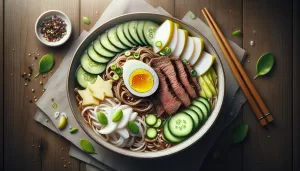
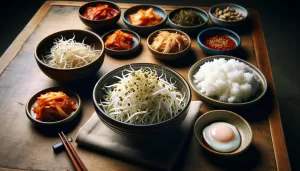
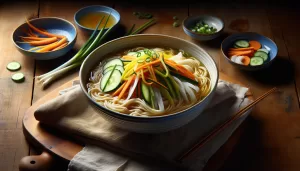
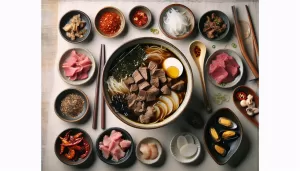
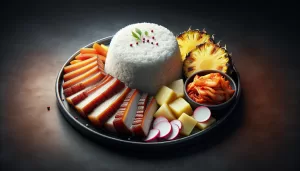
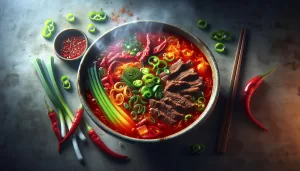
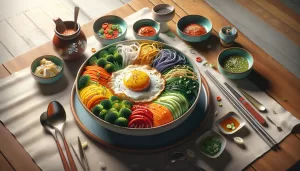
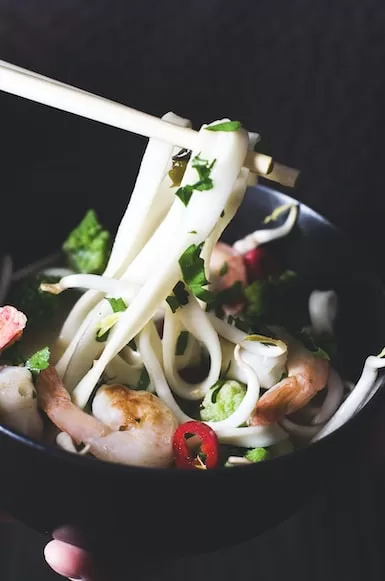
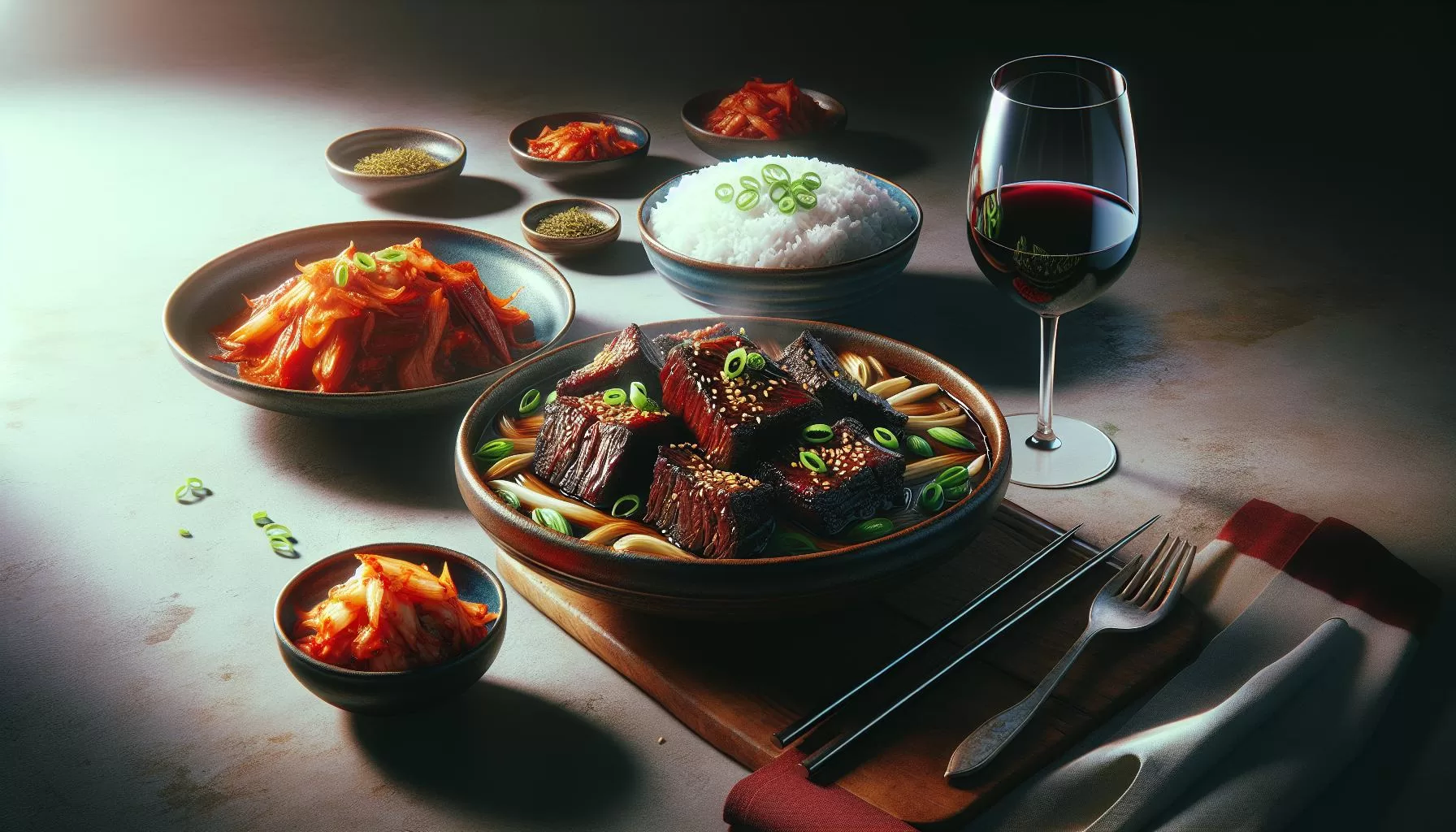
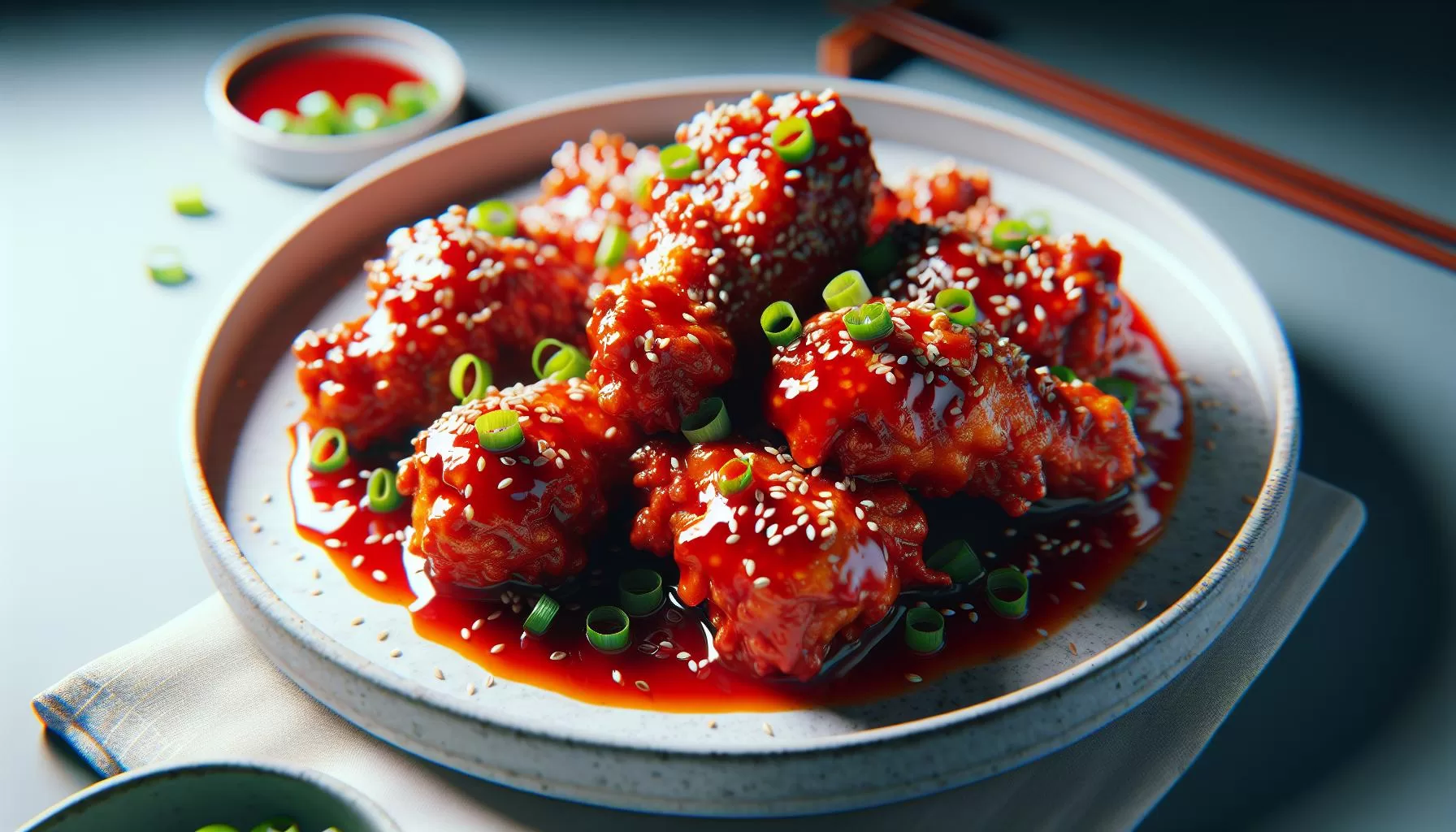
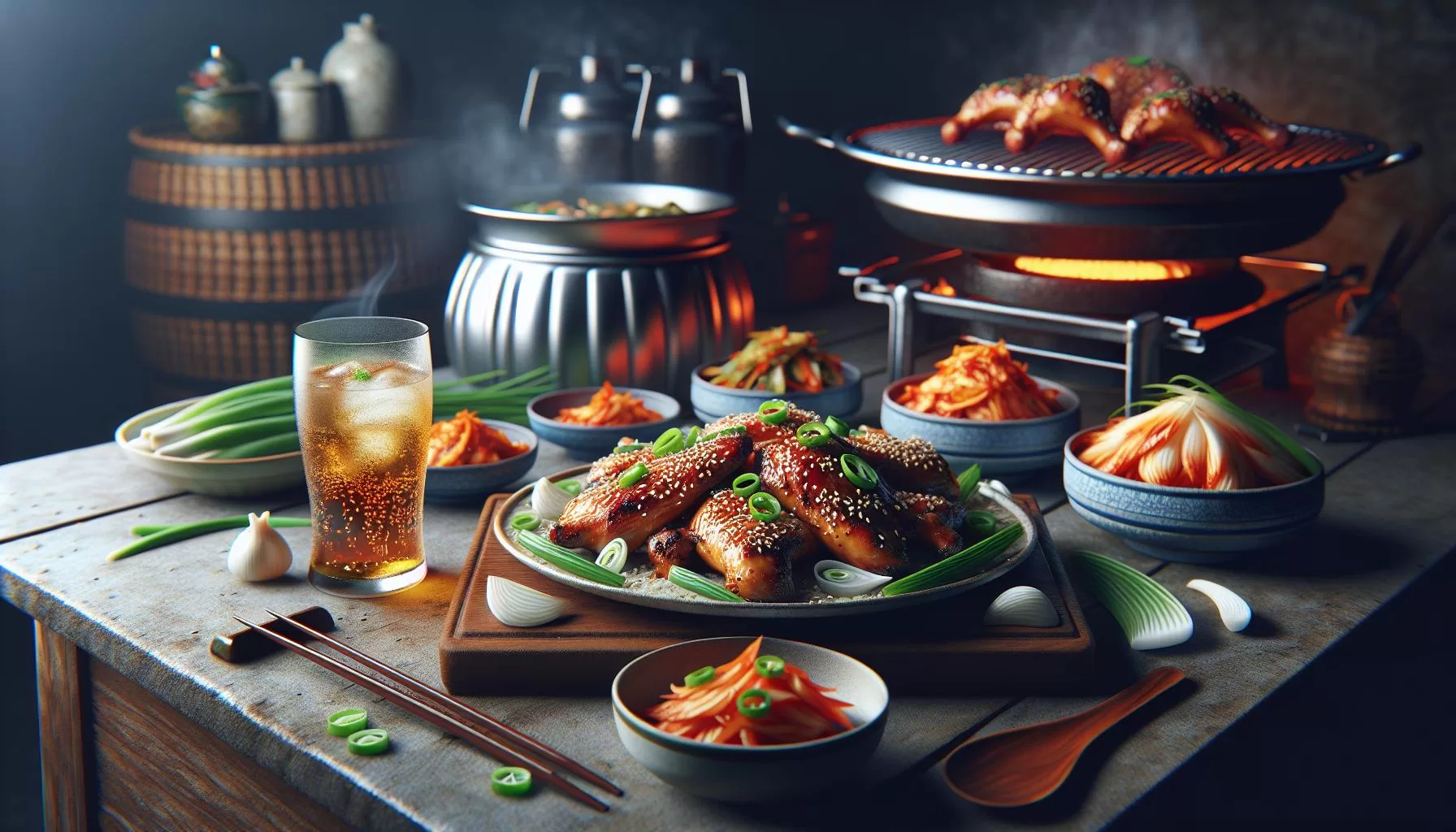
Chinese cuisine is justifiably famous, memorably diverse - and generally not for the squeamish. The Chinese themselves like to say they'll eat anything with four legs except a table. For the most part, however, it's a case of doing ingenious things with a limited number of basic ingredients. The cuisine can be divided into four regional categories: Beijing/Mandarin and Shandong (with steamed bread and noodles as staples), Cantonese and Chaozhou (lightly cooked meats and vegetables), Shanghainese (the home of `red cooking' and wuxi spare ribs) and Sichuan (spicy, with lots of chilli). Tea is the most common nonalcoholic beverage on sale, although Coca-Cola (both original and bogus) is making inroads, while beer is by far the most popular alcoholic drink. `Wine' is a loose term which can cover oxidised and herb-soaked concoctions, rice wine and wine containing lizards, bees or pickled snakes. Another favourite is maotai, a spirit made from sorghum which smells like rubbing alcohol and makes a good substitute for petrol or paint thinner.
You can also donate to help us to continue to provide our services Thanks for your support.
Clicking on these ads helps provide funds and scholarships to poor students at Pongyang Elementary School in Chiang Mai, Thailand. The children there thank you for your support. And so does AsiaRecipe.com...
We know banners can be annoying at times, but we hope you will appreciate the good your support does. Thanks for your patience.