Khmer architecture reached its zenith during the Angkorian era (seen in Angkor Wat and the structures of Angkor Thom). Many fine examples of Khmer sculpture can be found in the National Museum in Phnom Penh. Cambodia's classical dance is highly stylised and usually accompanied by an orchestra or choral narration.
Theravada Buddhism is the dominant religion. Khmer is Cambodia's official language and can often prove difficult for foreigners. For over a century, the second language of choice was French, which is still spoken by many people who grew up before the 1970s. English has recently surged in popularity.
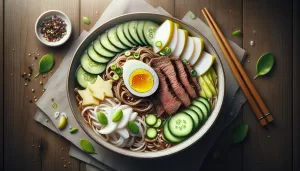
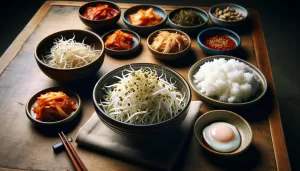
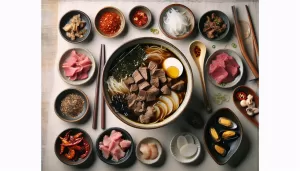
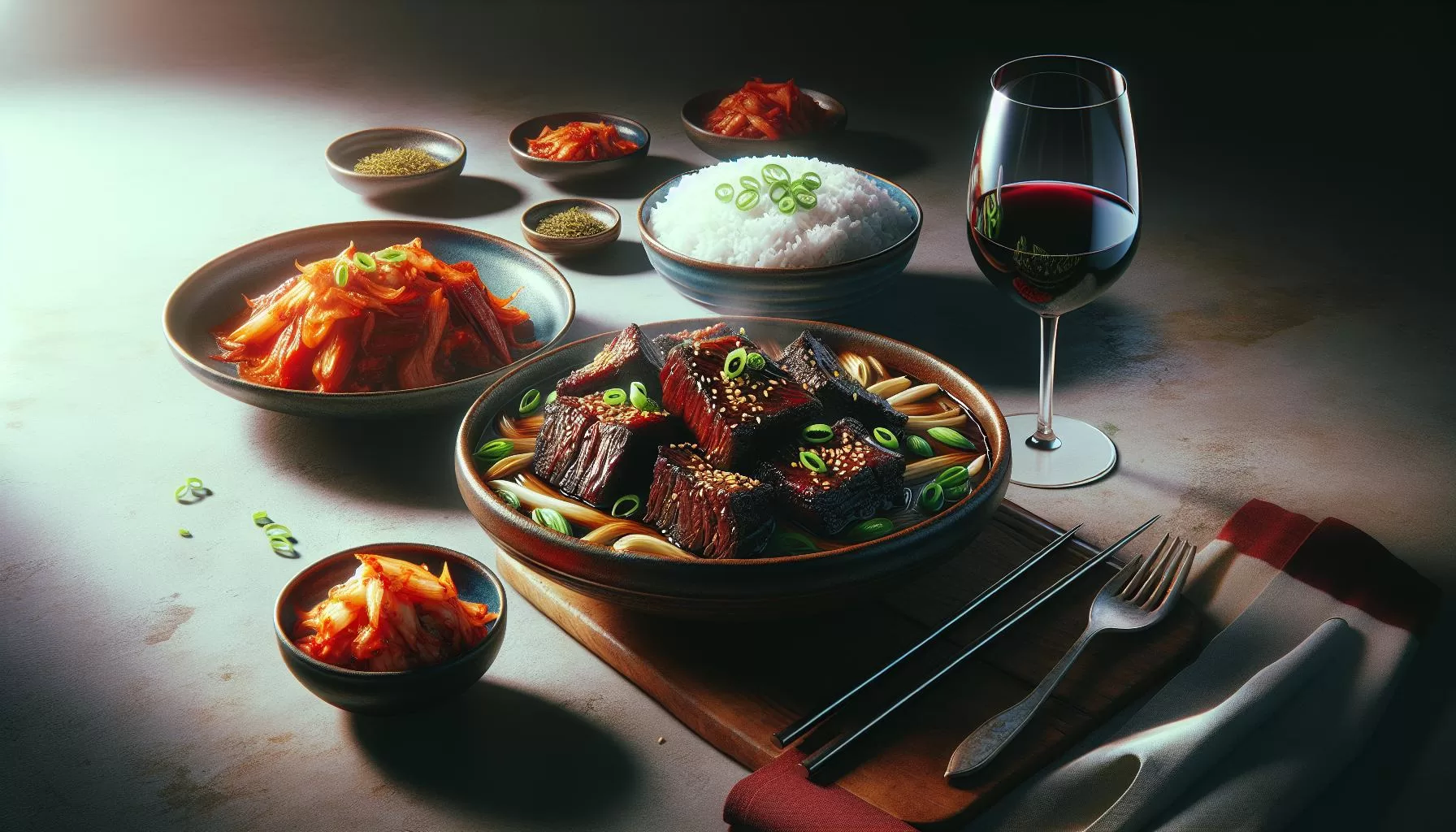
A Cambodian meal almost always includes a soup, which is eaten with the other courses. Fish is the nation's mainstay, and grilled freshwater fish, wrapped in lettuce or spinach and dipped into a nutty fish sauce, is a particular speciality. `Salad' dishes are flavoured with coriander, mint and lemon grass - three flavours which find their way into many Cambodian dishes. The French influence is seen in the bread, baked turtles and frogs legs which are sold in the markets. Sweet dishes include sticky rice cakes and jackfruit pudding. The most popular local drink is soda water with a squeeze of lemon.
Language
Khmer, also known as Cambodian, is the official language of Cambodia. In contrast with
Chinese, Vietnamese and Thai, the Khmer language is nontonal. Words are mostly short,
usually one syllable. Longer words are often loan-words from other languages such as
Indian Sanskrit and Pali. The Khmer alphabet has 33 consonant symbols, 21 dependent vowel
symbols and 12 independent vowel symbols. The richness of Khmer is reflected by its four
sets of vocabulary: one used for people of equal status, one used while speaking to the
respected people such as elderly persons or superiors, one used when addressing monks, and
one for the royal family. This language is often seen as an ambiguous one because it
contains many hidden meanings. Language barrier is often a problem for Cambodian
Americans, specially the adult ones who are also illiterate in their own language.
Names and Titles
Cambodians give their children meaningful names that rhyme with the names of other
family members. Surnames come first in Cambodia. Upon marriage, a woman takes her
husband's first and last names like the Vietnamese.
Religion
The official religion of Cambodia was Theravada Buddhism, one of the two major forms of
Buddhism. In 1989, the Cambodian government recognized Buddhism as the state religion. It
represents an important source of Khmer national identity and of its value system. More
than 80% of Cambodians are Buddhist. Very few are Muslim, Christian or Hindu. Until
recently, each Cambodian male had to spend some time in the Temple as a monk in order to
"show obedience to his parents and to learn the good ways of life."
Values
The Cambodian value system was influenced by several cultural traditions: Khmer, Indian
and French, and originated from two distinct religions: Brahmanism and Theravada Buddhism.
It represents a set of values based on system of classes and hierarchy where respect and
deference between people of superior and inferior ranks must be observed. The influence
from Theravada Buddhism includes religious detachment from worldly affairs and individual
responsibility for status in life. It also emphasizes the avoidance of causing suffering,
self-discipline, humility and harmonious relations with others. The French culture has
left its marks on government and educational system. However its influence only penetrated
in urban areas. Cambodians believe that individuals should adhere to the Buddhist code of
personal conduct. The group or community (seen as extended families) is more important
then the individual, as are ancestors and rulers. The individual's good conduct and
services to the community will gain him respect from others and in turn, he may be awarded
with a high position within the religious, governmental or community organizations.
Cambodian Food
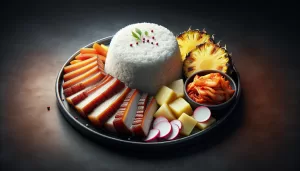
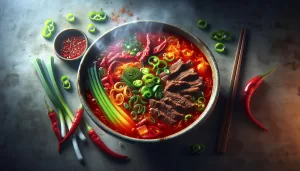
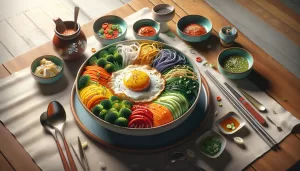
There are two basic dishes in Cambodia: soup and rice. Soup may include fish, egg,
vegetables or meats. Rice is prepared in several ways and is eaten in every meal. Seafood
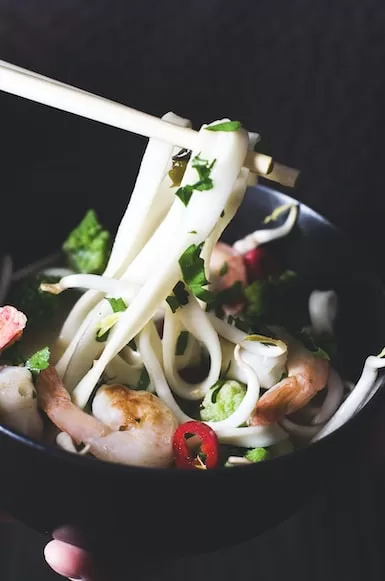
and fish are common in addition to vegetables and fruits. Num Ansom (cylinder cake), Non
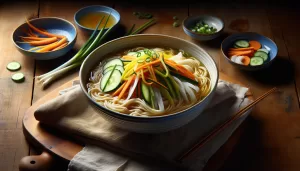
Kaom (sweet, coconut sticky rice cake), Samlaw Misuor (noodle soup) are among the food for
special occasions. Cambodians use chopsticks, spoons or their fingers depending on the
food and family custom.
Family
A typical Cambodian family consists of parents, children, and often grandparents. It is
normal to see 3 or 4 generations living together in the same household. The Cambodian
husband is in charge of affairs outside of the house while the wife deals with all
household matters. In the United States, this division of labor between spouses is often
difficult to observe due to working situations and this is often a source of family
conflict. The elderly parents live with their children until their death. Cambodian
families are usually large as having no children is considered a misfortune to the
Cambodians. Family members and relatives are expected to help each other in time of needs.
Events
Cambodian Festivals 2002
Several festivals are held annually which are of interest to both
international and domestic tourists. The major festival are as follows:
Bonn Chaul Chhnam (13-15 April) is the traditional New Year's
festival when Khmers clean and decorate their houses, make offerings
and play traditional games.
Bonn Chroat Preah Nongkoal
( 30April) is the royal Ploughing ceremony
which inaugurates the planting season and involves symbolic ploughing
and sowing of
Bonn Dak Ben and Bonn Pchum Ben
(05-07 October) is the festival held
for commemoration of the spirits of the dead; 15 days later offerings
are made in the temples.
Bonn Kathen (October) is a 29-day religious festival when people
march in procession to the temple where the monks change from their
old to new robber
Independence Day (9November) celebrates the date when Cambodia
achieved independence from France in 1953.
Bonn Om Touk (18-20 November) is the water festival which ushers in
the fishing season and marks the reversing of the current in the Tonle
Sap River. This very popular festival attracts many people to watch
the longboat races on the Tonle Sap in Phnom Penh, Fireworks and a
lighted flotilla of boats.
International New Year (1st
January)
International Women' s Day
( 8th March)
Visak Bochea (26th
March)
International Labor Day (1st
May)
International Children's
Day (1st June)
Queen Norodom Monineath
Sihanouk' s Birthday 18th June
Constitution Day and
recoronation of King Norodom Sihanouk (24th September)
Anniversary of the Paris
Peace Accord (23rd October)
You can also donate to help us to continue to provide our services Thanks for your support.
Clicking on these ads helps provide funds and scholarships to poor students at Pongyang Elementary School in Chiang Mai, Thailand. The children there thank you for your support. And so does AsiaRecipe.com...
We know banners can be annoying at times, but we hope you will appreciate the good your support does. Thanks for your patience.