Art has been closely intertwined with religion and royalty in Burman
history. Temples, pagodas and palaces displayed the artistic skills of
painters, wood carvers and sculptures. Temples and pagodas were
traditionally built of brick and many are still standing. The great
palaces, however, were made of wood, and only one badly-deteriorating
example of these beautiful carved structures remains today. Art and
architecture, which relied on royal support, faded when the last royal
kingdom collapsed.
Although court culture has been extinguished, popular street-level
culture is vibrant and thriving. Drama is the mainstay of this culture,
and just about any celebration is a good excuse for a pwe (show).
Performances may recount Buddhist legends, or be more light-hearted
entertainments involving slapstick comedy, dance, ensemble singing
or giant puppets. Burman music is an integral part of a pwe; it
originates from Siam and emphasises rhythm and melody. Instruments
are predominantly percussive and include drums, boat-shaped harps,
gongs and bamboo flutes.
Off the record: Mind your manners
Over 85% of Burman are Theravada Buddhist, although it is not the
official state religion and since the Ne Win government takeover, it has
actually officially occupied a less central role in Burman life. In the
Rakhine region, towards Bangladesh, there are many Muslims.
Christian missionaries have had some success among hill tribes but
many remain staunch animists.
Burmese is the predominant language and has its own alphabet and
script. Though you're hardly going to have time to master the alphabet,
it may be worth learning the numerals, if only so you can read the bus
numbers. English is spoken by a few Burmans, particularly by the older
generation.
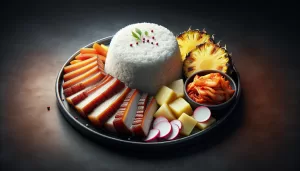
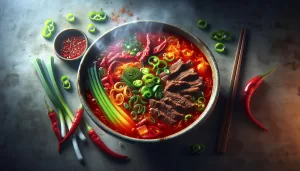
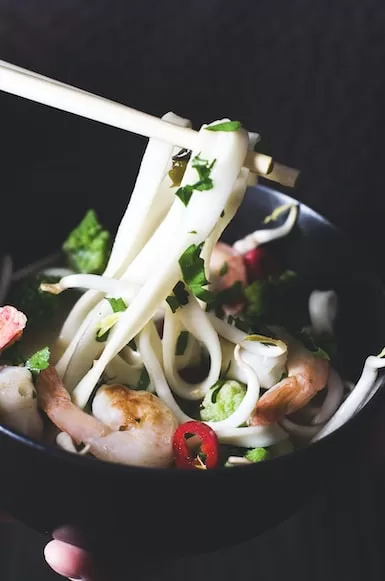
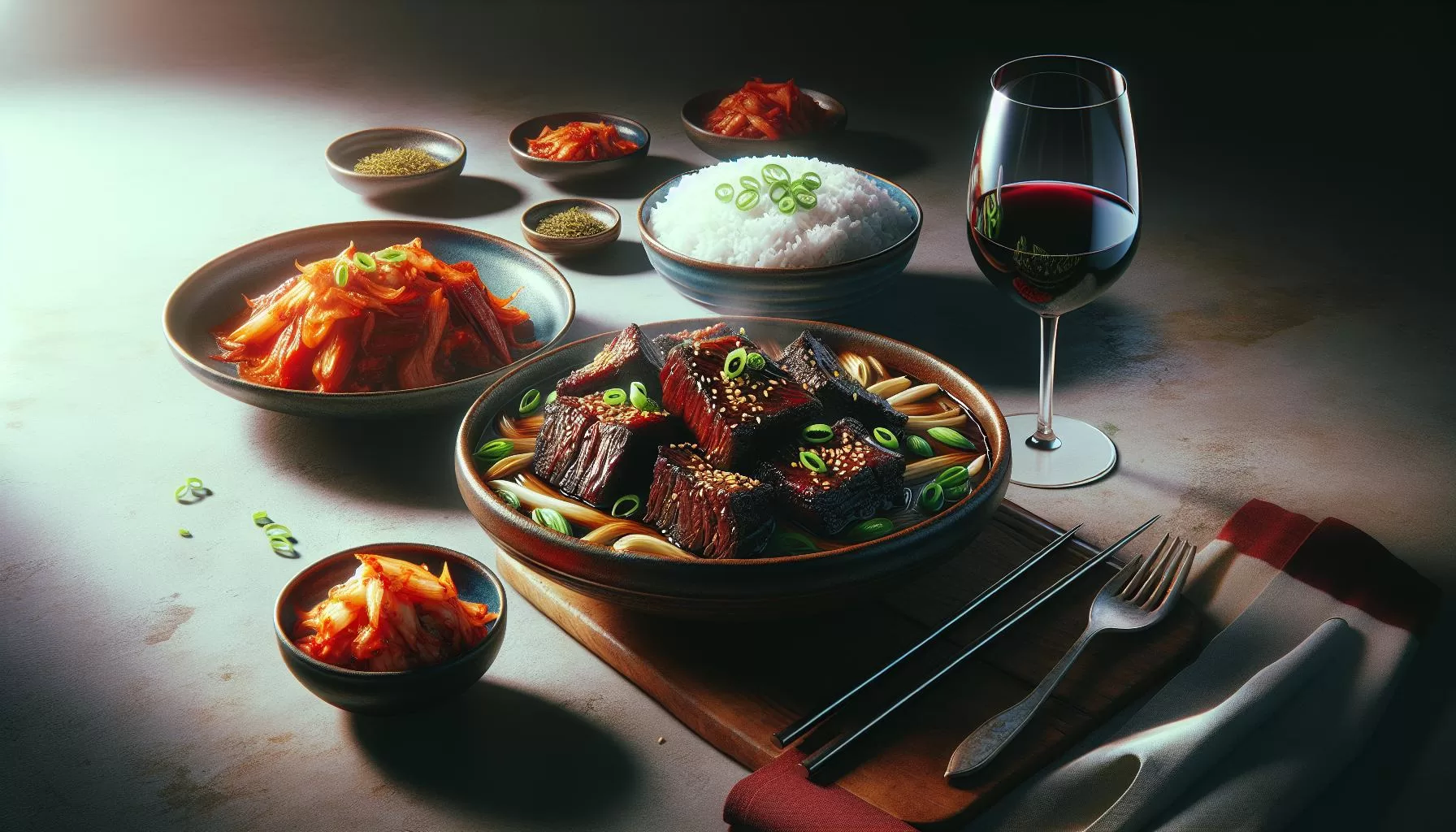
It's easier to buy authentic Burman dishes from food stalls rather than
restaurants. Chinese and Indian eateries predominate, and hotel
restaurants tend to remove much of the chilli and shrimp paste from
their Burman dishes. Rice is the core of any Burman meal. To this is
added a number of curry options and a spicy raw vegetable salad, and
almost everything is flavoured with ngapi - a dried and fermented
shrimp paste. Chinese tea is generally preferable to the over-strong,
over-sweet and over-milky Burman tea. Sugar-cane juice is a very
popular streetside drink, and stronger tipples include orange brandy,
lychee wine and the alarming-sounding white liquor and jungle liquor.
Events
Festivals are drawn-out, enjoyable affairs and generally take place or
culminate on full-moon days. There's often a country fair atmosphere
about these celebrations, and they may feature stalls, pwes, music and
boxing bouts. Independence Day on 4 January is marked by a
seven-day fair in Yangon. Around the middle of April, the three-day
Thingyan (water festival) starts the Burman new year. This is the height
of the hot season, and it is sensibly celebrated by throwing buckets of
cold water at anyone who dares venture into the streets. Girls chase
boys through the streets, covering their bound victims in soot and
parading them about; later, cows and fish are dressed up, adorned and
set free by processions of dancing drummers. In October, the sober
three-month Buddhist `Lent' ends and the Festival of Light celebrates
Buddha's return from heaven. For three days Myanmar is lit up by fire
balloons and paper lanterns and families make offerings at the local
pagoda.
Thingyan, The Water Festival
Among the many festivals in Myanmar, Thingyan is the merriest and one of the few
observed all over the country. Thingyan welcomes the Myanmar New Year by washing
away the dirt of the body and bad memories of the old year. Everyone who ventures out of
the house risks getting doused from head to toe by enthusiastic revellers. As it so very hot
no one minds this a bit. Young people enjoy it most of all. Although they act scared of
being soaked, it is a fine way of showing off to the opposite sex.
Thagyamin, King of the Celestials, visits earth every year at this time in human form. The
festival starts on the day of his descent, and ends with his ascent back to his celestial
kingdom four or five days later. It is believed that during his stay on earth Thagyamin
examines every human being and inscribes the names of all the good on a golden tablet,
while the bad are recorded on a dog-skin. Parents warn their children to behave and not
kill or steal or tell lies because 'Thagyamin is watching'. Thagyamin is also custodian of
the Buddha's teachings. He is a good-hearted god who helps all those in need.
The word Thingyan comes from a Sanskrit word meaning 'the passing of the sun from
Pisces into Aries'. The day of Thagyamin's ascent marks the beginning of the Myanmar
New Year, and usually falls at the end of the second week of April.
Thingyan is the most exciting event of the Myanmar year. From early morning, young
people prepare their equipment at every street corner including water tanks, buckets,
pumps and hoses. Nobody, except the very old or sick, and monks, escapes a soaking,
regardless of their religion or nationality. Many organisations, government offices, private
companies and individuals build decorated pandals (platforms) from which to drench
passing motorists and pedestrians. In big cities like Yangon, Mandalay and Mawlamyine,
boys and girls drive from one pandal to another to splash and be splashed. There is a lot
of singing and dancing, traditional as well as modern. In Mandalay, huge decorated floats
carry singers, dancers and musicians around the town performing at the various pandals.
In former days, young girls caught the young men and painted their faces with oily soot
until they looked like circus clowns, a custom that has more or less died out in the towns
but continues in the countryside.
But Thingyan is not all fun and play. It is also a time for performing meritorious deeds.
Some of the men become monks and women nuns during the festival or simply go to a
monastery to observe eight or nine Buddhist precepts, or sometimes as many as ten.
Many people make traditional delicacies, especially the popular 'Mon't-lone-yay-baw',
which are offered to the monks and distributed in the neighbourhood to passers-by.
Other meritorious deeds include setting free birds from their cages or captive fish in
nearby lakes and ponds. Some people believe that spending too much on New Year's
Day means they will go on overspending for the rest of the year and so curb themselves.
Most devout Buddhists will also take special care of old people of their acquaintance,
bathing them and shampooing them with special soap made from acacia fruit and bark
from the linden tree.
But, sad to say, the festival is becoming too boisterous, with car accidents and fights
among the youngsters using high-pressure hoses. It would be nice if everyone would
refrain from becoming aggressive and keep to the traditional custom of just sprinkling
each other with water.
Burma's 'tourist life line'
Burma is rapidly emerging from its cocoon of self-imposed isolation. And, as AMAR GROVER discovered,
a visit to this land of golden pagodas is like a trip back in time.
Long isolated, even from immediate neighbours Burma, or Myanamar as it prefers to be called now, is rapidly
emerging, from a wasting socialist cocoon. Visit Myanmar Year has ended and as the accompanying
controversy over visiting the country recedes, it is certain visitors will come once more. And, this seems to be
what its people want.
Old hands may miss downtown Yangon’s complete absence of traffic, its “town from the lost end of time” feel.
But for me, the city retains an intriguing mix. Ancient wooden Chevrolet buses still pack in the commuters
and rumble up and down the Colonial British grid-like streets. The air of neglect is being gradually offset by
development. Burma’s famous Strand Hotel has been thoroughly revamped (despite the air-conditioning
ceiling fans still turn, giving that film set feel) and in the evening impromptu markets spring up on virtually
every street corner.
Though a large Indian community stayed behind after independence in 1948, Burma is overwhelmingly
Buddhist. Yangon’s Shwedagon Pagoda, rising nearly 100 metres from its base, is a pivotal point. One of the
largest and most famous in the country, it is reputed to contain hairs of the Buddha and has survived
earthquakes, fires and pillage.
I visited Shwedagon Pagoda on several evenings when the soaring golden stupa was aflame with the sun’s last
rays.
Worshippers stood or sat before their planetary posts, determined by one’s day of birth, while monks reclined
in quiet alcoves surrounded by clay Buddha statues. A dazzling array of pavilions, shrines and prayerhalls
make up the complex and it’s quite likely a local will approach and talk you through a tour of the temple.
Rather than attempt Yangon’s other less interesting pagodas, it might be better to save your stamina for Pagan
in the north.
In the meantime we made for Mandalay, Burma’s second city and the capital before the arrival of the British.
There’s enough here to keep you busy for days, and its regular street life — trishaws, bustling markets and
the goings on along the banks of the Irrawaddy River — offers more variety than any other town.
Only from the summit of Mandalay Hill can the vastness of the old Palace be appreciated. In one of the
country’s great cultural tragedies, this immense wooden structure caught fire in 1945 as the Japanese tried
to hold off Allied forces. Only the wide moat and high walls remain, outlining a square of 2km-long sides.
Instead, I ventured to a collection of pagodas and monasteries south of Mandalay Hill. At the Shwenandaw
Kyaung you can see traditional Burmese woodwork, large panels beautifully mottled and aged by the
elements. The Kuthodaw Pagoda is known for its 730 inscribed marble slabs. Each is housed in a pavilion
and together they make up one complete Buddhist text.
These have spawned a host of bizarre statistics — 450 days to read the whole lot, and 2400 monks once read
it in a continuous six-month relay.
Some of the best day-trips from Mandalay are to the sites of old capitals strung along the banks of the
Irrawaddy River. Being built of wood, the palaces are long gone. However, the real appeal of these outings are
not the palaces, but in discovering a more rustic Burma. Amarapura proved not so much a “city of
immortality” but a quiet enclave of watery fields, buffalo and the charming U Bien’s Bridge. A ruined palace
provided the teak for this one kilometre construction and I happily watched locals fishing off its stumpy
pillars.
Mingun, on the other side of Mandalay, is another popular outing. Access is by boat, an 11km journey
upriver past low, sandy banks, tent-like huts and a handful of villages. The Mingun Pagoda was never
completed, in fact it never became more than the base of what may have become the world’s largest pagoda.
It’s an extraordinary ruin, split by an 1838 earthquake, yet still accessible to those willing to go barefoot. A
massive 90-tonne bell hangs in a nearby pavilion and local children delight in scampering about its curves.
Some of the country’s most picturesque pagodas can be found at Sagaing on hills looming over the Irrawaddy
River. We came by way of the Ava Bridge, a pre-war, wrought iron monster built across brick pillars.
Surprisingly, it is the river’s only bridge, and totally at odds with the majestic and spiritual surroundings.
Of all the journeys one can make in Burma, the 10 to 12 hour cruise down this great river is probably the
most popular. It’s not a trip for its own sake. The destination is the city of Pagan — one of Asia’s great
archaeological sites — situated on a vast plain broken only by hundreds of pagodas in all shapes and sizes.
We awoke before dawn, hailed a trishaw to the dock and mingled with bleary-eyed passengers and crew. On
our boat there was strict segregation — locals squeezed together below and foreigners (plus a few seemingly
privileged monks) on deck chairs above. We could, and did, go down freely but they never came up. Perhaps
the only justification for this was in the ticket price.
It is a tranquil cruise with just a few stops. Low, distant banks were offset by occasional hamlets set back even
further and other boats passed infrequently. We called at unmarked, jettyless stops packed with villagers,
traders, passengers and onlookers. It all suggested a vibrant life beyond.
Pagan may be an archaeological site, but its appeal is immediate and rarely disappointing. Pagodas, nothing
but pagodas, in all shapes, sizes, and states of preservation. From around 1057AD to 1278AD, the kingdom’s
kings launched a furious building programme, but the city was abandoned when Kublai Khan’s hordes
appeared on the scene. All traces of other buildings — palaces, monasteries, houses — has long since
vanished. Only pagodas, religious structures built of brick and masonry, have survived.
They are spread out over 40 square kilometres so, unless one can afford a car, the best way to get around is by
bike or horse and cart. The setting is completely rural and the immediate towns are more like overgrown
villages.
It’s wise to get hold of a site map and decide which pagodas and temples merit a visit — most guidebooks note
around 40 to 50 monuments, more than enough for all but the most devoted. People spend days out here,
never returning to the same place and you often see farmers in their fields or bullock carts lumbering along
dusty tracks.
We made one final excursion from Pagan, hiring a car for the 50km run to Mt Popa. Perched on a distinctive
outcrop amidst a sharp range of hills, the temple here is known for the worship of nats —guardian spirits —
who are either good or evil.
Steep covered stairs lead up to this peculiar spot and there are excellent views across the countryside. In
some ways, Mt Popa looks better from a distance since most of its shrines are a bit kitsch. But if you’re ever
there, keep this to yourself, you don’t want to be tripped up by a mischievous nat.
You can also donate to help us to continue to provide our services Thanks for your support.
Clicking on these ads helps provide funds and scholarships to poor students at Pongyang Elementary School in Chiang Mai, Thailand. The children there thank you for your support. And so does AsiaRecipe.com...
We know banners can be annoying at times, but we hope you will appreciate the good your support does. Thanks for your patience.